

Key Points
- Wrexham Maelor Hospital, part of Betsi Cadwaladr University Health Board (BCU), has fully implemented an electronic prescribing and medicines administration (ePMA) system supplied by Better.
- The rollout began with an early adopter phase in the Heddfan Psychiatric Unit in December 2025, followed by a comprehensive deployment across all inpatient wards.
- Clinical teams manually transcribed records for more than 600 inpatients onto the Better Meds system over a three-day period to facilitate the transition.
- Support during implementation included a dedicated call centre, on-site clinical and digital teams, ensuring staff adaptation to the new electronic prescribing process.
- Lois Lloyd, chief pharmacist at BCU, described the rollout as a significant milestone for medicines safety and digital optimisation in patient care.
- Dr Clara Day, executive medical director at BCU, highlighted the coordinated effort required for the safe transition in a live acute environment.
- The partnership with Better was announced in August 2024, aiming to deploy ePMA across over 40 hospital and community sites by March 2026.
- The initiative serves more than 700,000 people across six counties in North Wales.
- This rollout forms part of the broader NHS Wales’ Digital Medicines Programme, led by Digital Health and Care Wales and funded by the Welsh Government.
- Next phases include East community sites starting from 20 January 2026, followed by Central and West regions over the coming months.
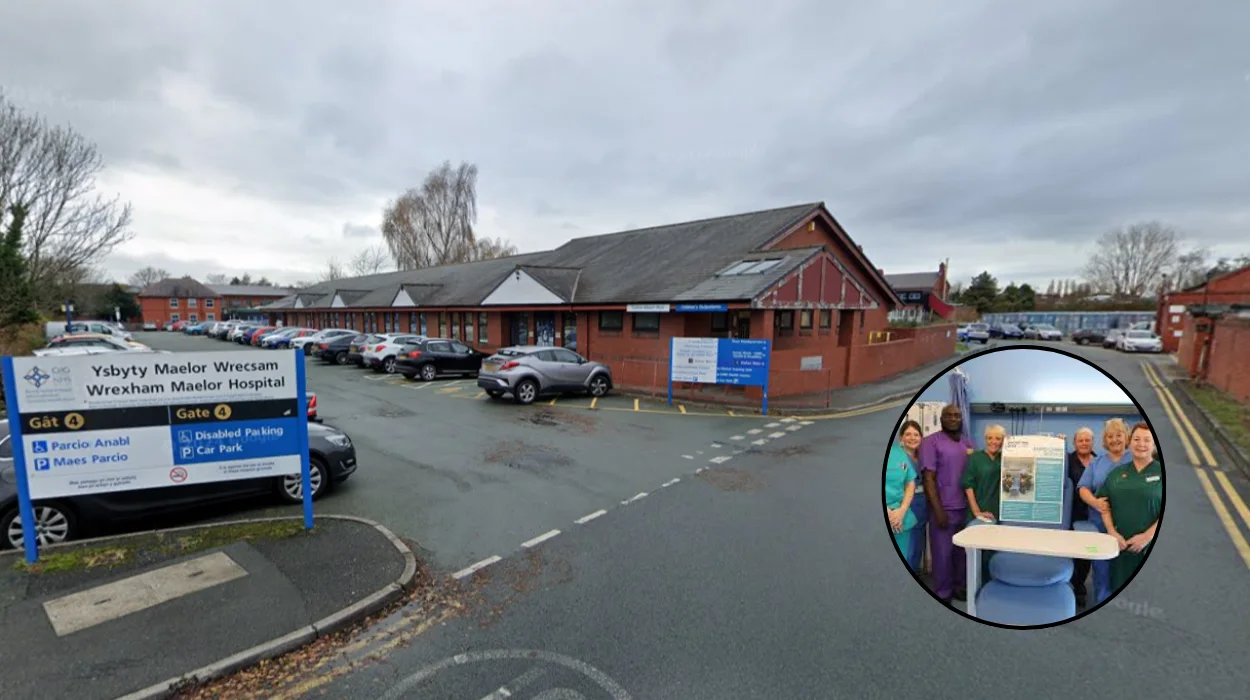
uk/local/wrexham/">Wrexham Maelor Hospital (Wrexham Times) 15 January 2026 – Wrexham Maelor Hospital has successfully rolled out an electronic prescribing and medicines administration (ePMA) system across all its inpatient wards, marking a pivotal advancement in patient safety and digital healthcare delivery. The implementation, delivered by supplier Better, followed an initial pilot in the Heddfan Psychiatric Unit in December 2025. Clinical staff meticulously transcribed over 600 inpatients’ records onto the Better Meds platform during a intensive three-day period, enabling a seamless shift to electronic prescribing in routine care.
This development underscores BCU’s commitment to modernising medicines management as part of a wider Welsh health initiative. Support structures, including a dedicated call centre and on-ground clinical and digital teams, were mobilised throughout the rollout weekend to assist staff adaptation.
What Triggered the ePMA Rollout at Wrexham Maelor?
The rollout at Wrexham Maelor Hospital stemmed from a strategic partnership announced by Betsi Cadwaladr University Health Board (BCU) with Better in August 2024. As reported in Digital Health by an unnamed correspondent, BCU, the largest health board in Wales, committed to deploying the ePMA system to enhance prescribing and medicines management for over 700,000 residents across six North Wales counties. The ambition encompasses more than 40 hospital and community sites by March 2026.
An early adopter implementation commenced in the Heddfan Psychiatric Unit in December 2025, serving as a controlled testbed before the full-scale expansion. Clinical teams collaborated intensively, manually transcribing records for more than 600 inpatients onto the Better Meds system over three days. This hands-on approach ensured data integrity during the transition to electronic processes.
Ward teams received comprehensive support, transitioning to electronic prescribing as part of everyday patient care. The effort reflects broader goals under the NHS Wales’ Digital Medicines Programme, led by Digital Health and Care Wales with Welsh Government funding, aiming to equip every ward in every Welsh hospital with ePMA capabilities.
How Was the Implementation Process Executed?
The implementation demanded meticulous coordination in a live acute hospital setting. Over the rollout weekend, BCU established robust support arrangements, featuring a dedicated call centre alongside on-the-ground clinical and digital support teams stationed across the hospital. These measures provided wrap-around assistance, enabling staff to adapt swiftly to the digital platform.
Clinical pharmacy, clinical, and digital teams worked in unison to transcribe patient data accurately. The process prioritised safety, with rapid decision-making essential to maintain uninterrupted care for hundreds of inpatients. Following the inpatient wards’ go-live, the programme advances to community sites, with East sites scheduled from 20 January 2026.
Dr Clara Day, executive medical director at BCU, emphasised the operational feat, stating:
“Delivering the implantation of this ePMA safely across all inpatient wards in a live acute environment required coordinated effort, rapid decision-making and sustained commitment from teams across the organisation, both those brought onto site and those who provide patient care.”
She added:
“The successful transition from paper to digital prescribing, within such a compressed timeframe, represents a significant operational and clinical achievement.”
This phased methodology minimises disruption while scaling digital tools hospital-wide.
What Benefits Does ePMA Bring to Patient Care?
The ePMA system promises enhanced medicines safety and efficiency. Lois Lloyd, chief pharmacist at BCU, declared:
“The successful rollout of ePMA at Wrexham Maelor Hospital is a significant milestone in improving medicines safety and optimising how we use digital technology to support patient care.”
She continued:
“This has been a complex piece of work, and I want to recognise the commitment and collaboration of pharmacy, clinical and digital teams in making this happen. ePMA provides a stronger, safer platform for prescribing and administration, and it represents an important step forward in modernising medicines management for our patients.”
By replacing paper-based systems, ePMA reduces errors in prescribing and administration, streamlining workflows for clinicians, pharmacists, and patients. The Better Meds platform integrates seamlessly into clinical routines, fostering real-time data access and decision support.
Dr Day reinforced this, noting:
“We will continue to roll out the system to Central and West over the next couple of months. I thank everyone for their hard work and patience to ensure we have been able to introduce this step forward in patient safety.”
These advancements align with national efforts to digitise healthcare, ultimately benefiting over 700,000 individuals through safer, more efficient medicine handling.
Who Were the Key Players in This Rollout?
Betsi Cadwaladr University Health Board (BCU) spearheaded the project, leveraging its status as Wales’ largest health organisation. Supplier Better provided the core ePMA technology via its Better Meds product, pivotal to the deployment.
Leadership figures included Lois Lloyd, chief pharmacist, who championed the safety aspects, and Dr Clara Day, executive medical director, who oversaw operational execution. Pharmacy, clinical, and digital teams across BCU collaborated extensively, with external support from Digital Health and Care Wales coordinating the national programme.
The Welsh Government funded the overarching NHS Wales’ Digital Medicines Programme, ensuring resources for universal ward rollout. No specific journalists’ bylines were attached to primary announcements, but coverage drew from BCU’s official releases and Digital Health’s August 2024 report on the partnership.
What Lies Ahead for BCU’s ePMA Expansion?
The Wrexham Maelor success paves the way for accelerated deployment. East community sites commence implementation from 20 January 2026, with Central and West regions following in the subsequent months. By March 2026, over 40 sites will integrate ePMA, transforming medicines management region-wide.
This timeline adheres to the NHS Wales’ Digital Medicines Programme’s mandate for comprehensive coverage. Challenges such as staff training and system integration will persist, yet the hospital’s model—bolstered by call centres and on-site support—offers a replicable blueprint.
Dr Day affirmed ongoing momentum:
“We will continue to roll out the system to Central and West over the next couple of months.”
Lloyd’s recognition of team efforts signals sustained collaboration, positioning BCU at the forefront of Welsh digital health innovation.
Why Is This Rollout Significant for Welsh Healthcare?
Wrexham Maelor’s achievement exemplifies Wales’ push towards a fully digital health ecosystem. As part of a national programme, it addresses longstanding issues in paper-based prescribing, which prone to errors affecting patient outcomes. The partnership with Better, announced in August 2024, accelerates this vision, serving a population exceeding 700,000.
Broader implications include cost efficiencies, reduced adverse events, and empowered clinical decision-making. Funded by the Welsh Government, the initiative ensures equitable access across six counties, from hospital wards to community settings.
In a landscape where digital transformation drives NHS improvements, BCU’s rapid execution sets a benchmark. The meticulous transcription of 600+ records and weekend support underscore dedication to safety amid complexity, heralding safer care for North Wales residents.