
Cardiff stands as Wales’ vibrant capital, blending ancient history with modern allure. This city offers endless appeal for visitors seeking culture, nature, and heritage.
Cardiff’s Ancient Origins
uk/local/cardiff/">Cardiff’s story begins around 6000 BC with Neolithic settlements like St Lythans burial chamber near Wenvoe. Romans built a fort near the River Taff in AD 75, establishing a military outpost linked to Caerleon. The name Caerdydd derives from Brythonic words meaning “the fort of the Taff,” reflecting its strategic riverside position.
After Roman withdrawal in the 4th century, the area fell under Silures territory before Norman invasion in 1081, when William I ordered Cardiff Castle’s keep. By the Middle Ages, Cardiff grew as a walled town with 1,500-2,000 residents, serving as the Marcher Lordship of Glamorgan’s center. Owain Glyndŵr captured the castle in 1404, but the town rebuilt swiftly.
Floods like the 1607 Bristol Channel disaster reshaped the landscape, destroying St Mary’s Church. The English Civil War saw the Battle of St Fagans in 1648 nearby, a Parliamentarian victory.
Industrial Boom and Modern Rise

Cardiff exploded in the 19th century as coal exports soared, becoming the world’s largest coal port by 1913. Marquess of Bute built docks in the 1830s, spurring population growth from 6,342 in 1801 to 172,629 in 1901. Steelworks at East Moors opened in 1891, solidifying industrial might.
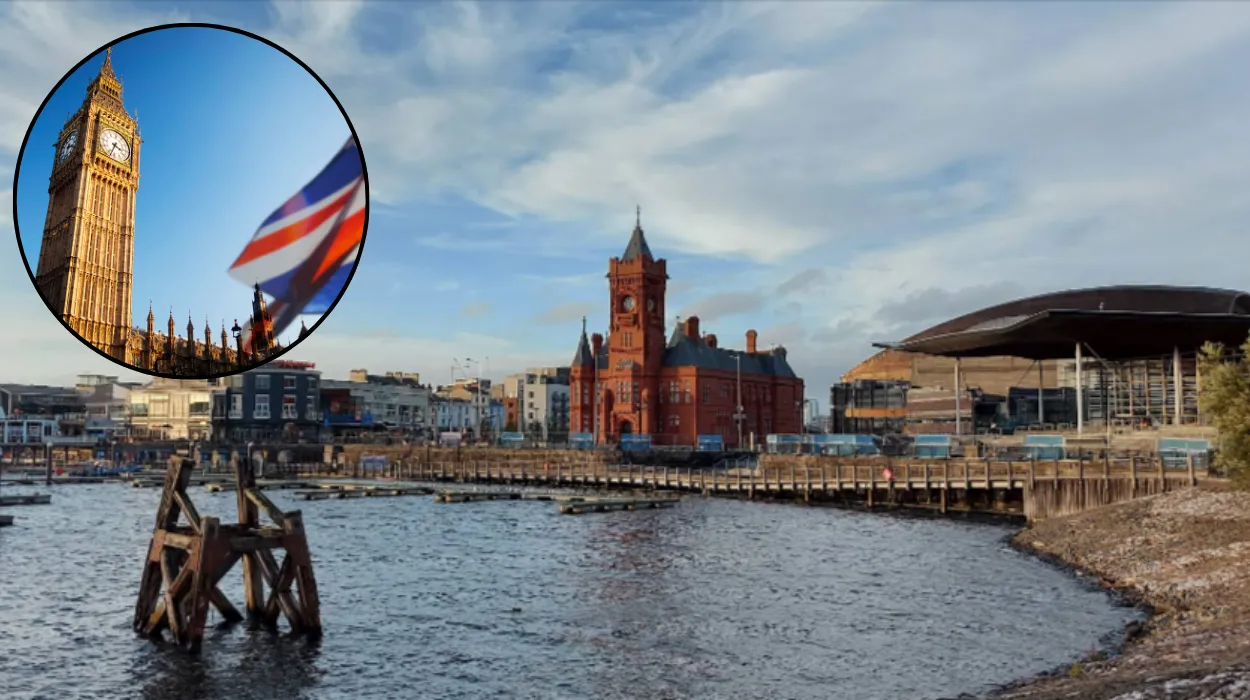
City status arrived in 1905 from Edward VII, followed by capital designation in 1955. Post-WWII decline hit docks, but Cardiff Bay’s regeneration from the 1980s revived it with the Senedd and Millennium Centre. Today, population hits 383,919 in 2024, making it the UK’s 11th largest city.
Iconic Landmarks
Cardiff Castle, with Roman foundations and Victorian Gothic interiors by William Burges, anchors the city. Castell Coch, a fairy-tale Victorian rebuild nearby, captivates with woodland surroundings. The Senedd in Cardiff Bay hosts Welsh Parliament debates.
Principality Stadium (formerly Millennium Stadium) hosts rugby epics. Wales Millennium Centre buzzes with arts. Civic buildings in Cathays Park, like Welsh Government HQ, showcase Portland stone grandeur.
Cultural Vibrancy
Cardiff thrives on festivals like the July Food and Drink Festival in the Bay and October’s Sŵn music event. St David’s Day on March 1 features parades celebrating Welsh heritage. Central Market offers Welsh delicacies across two floors.
Film hub for Doctor Who and Torchwood, it’s a TV production center. Museums like National Museum Cardiff preserve history. Diverse population speaks 94 languages, with Welsh at 11.1% and rising.
Economic Powerhouse
Services dominate, with public administration, education, and health employing 32% of workers. Finance and business services claim 20%, outpacing Wales averages. Cardiff Capital Region boosts South East Wales’ 1.5 million residents via transport and planning.
Port legacy shifted to creative industries, attracting FDI. Unemployment lags behind UK norms in growth sectors like construction and tech.
Green Spaces and Outdoors
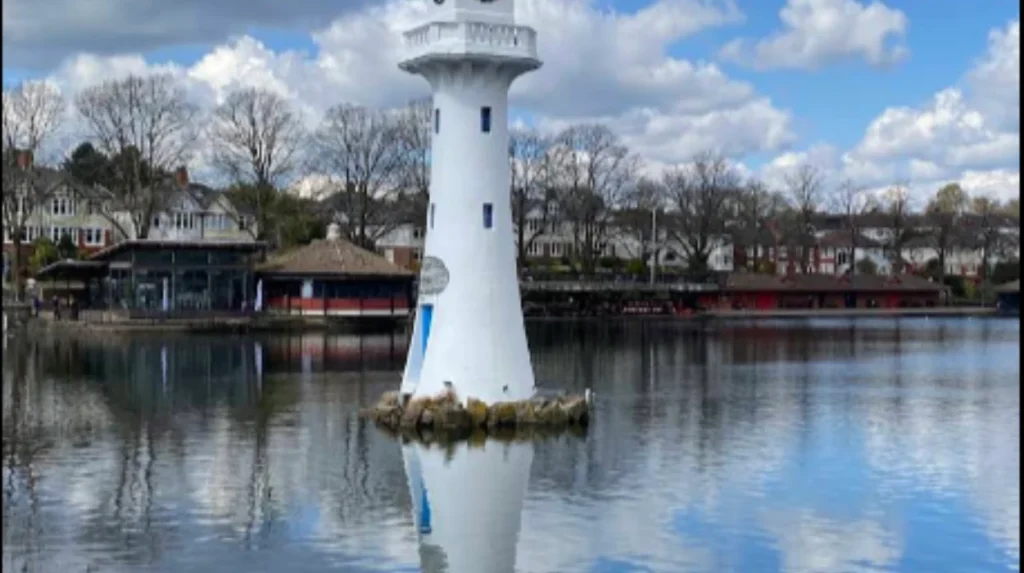
Roath Park’s 130-acre lake and gardens earned Green Flag status. River Taff trails link parks for cycling. Bute Park near the castle offers picnics amid 130 acres.
Glamorgan Heritage Coast features Jurassic cliffs west to Penarth. Cardiff International White Water Centre in the Bay provides adrenaline sports.
Neighborhood Highlights
City centre buzzes with arcades and Principality Stadium. Cardiff Bay gleams with cultural spots. Pontcanna suits young professionals with Taff Trail access.
Affluent Cyncoed and Rhiwbina contrast Ely’s estates. Plasnewydd and Cathays host students.
Practical Visitor Guide
Cardiff’s maritime climate brings mild summers (21.8°C July max) and wet winters (1203mm annual rain). Fly into Cardiff Airport, then bus or train to centre. Stay in Bay for views or centre for shops.
Use Visit Cardiff site for events. Council apps aid navigation. Best visits: summer festivals, spring blooms.
Cardiff blends history, culture, and innovation eternally.