


Acrefair, Wales stands as a quiet testament to Wales’ industrial heritage and enduring community spirit, Nestled in the rolling landscapes of Wrexham County Borough. This unassuming village offers a captivating blend of history, natural beauty, and cultural depth that continues to draw those seeking authentic Welsh experiences.
- Origins and Etymology of Acrefair
- Geographical Setting and Natural Allure
- Industrial Revolution and Economic Foundations
- Key Industries and Their Legacies
- Transportation Evolution Through the Ages
- Community Life and Architectural Heritage
- Cultural Significance and Notable Figures
- Modern Acrefair: Economy and Lifestyle
- Environmental Conservation Efforts
- Acrefair in Welsh History
- Visiting Acrefair: Practical Insights
- Future Prospects and Preservation
Origins and Etymology of Acrefair
The name Acrefair derives from the Welsh words “acrau,” meaning acres, combined with “Mair,” the Welsh form of Mary, translating poetically to “Mary’s Acres.” This evocative title reflects the village’s agrarian roots before industrialization transformed the area. Situated in the ancient parish of Ruabon, Acrefair emerged as a distinct settlement between uk/local/wrexham/">Wrexham and Llangollen, its position along the River Dee Valley providing fertile ground for early communities.
Historical records trace human activity in the region back centuries, with the Dee Valley serving as a vital corridor for trade and migration. The village’s Welsh name, Acre-fair, underscores its bilingual heritage, a characteristic deeply embedded in north-east Wales. As settlers cultivated the land, the area’s acres became synonymous with prosperity, laying the foundation for Acrefair’s identity as a place where earth and enterprise intertwined.
Geographical Setting and Natural Allure
Acrefair occupies a strategic spot in the community of Cefn, surrounded by neighboring villages like Trevor, Cefn Mawr, Ruabon, and Plas Madoc. Its elevated parts afford stunning vistas across the River Dee and the dramatic Dee Valley, where lush greenery meets rugged hills. This topography not only enhances the village’s scenic appeal but also influenced its development, channeling resources and transport routes through the area.
The River Dee, a lifeline of the region, borders Acrefair, contributing to its ecological richness. Walkers and nature enthusiasts traverse paths that wind along the valley, revealing wildflowers in spring and golden foliage in autumn. Proximity to the Pontcysyllte Aqueduct, a UNESCO World Heritage site nearby, amplifies Acrefair’s draw as a gateway to some of Wales’ most breathtaking engineering and landscapes.
Rainfall here supports verdant fields, while the temperate climate fosters year-round outdoor pursuits. The village’s location fosters a sense of seclusion yet connectivity, with the A539 road linking it efficiently to larger towns. This balance of isolation and accessibility has preserved Acrefair’s charm while inviting modern visitors to explore its tranquil environs.
Industrial Revolution and Economic Foundations
Acrefair’s rise to prominence began in the early 19th century with the establishment of ironworks by Edward Lloyd Rowland in 1817. Following Rowland’s bankruptcy in 1825, the British Iron Company acquired the site, reforming as the New British Iron Company in 1843. This enterprise thrived until 1887, producing vital materials that fueled Britain’s industrial expansion and employing generations of locals.
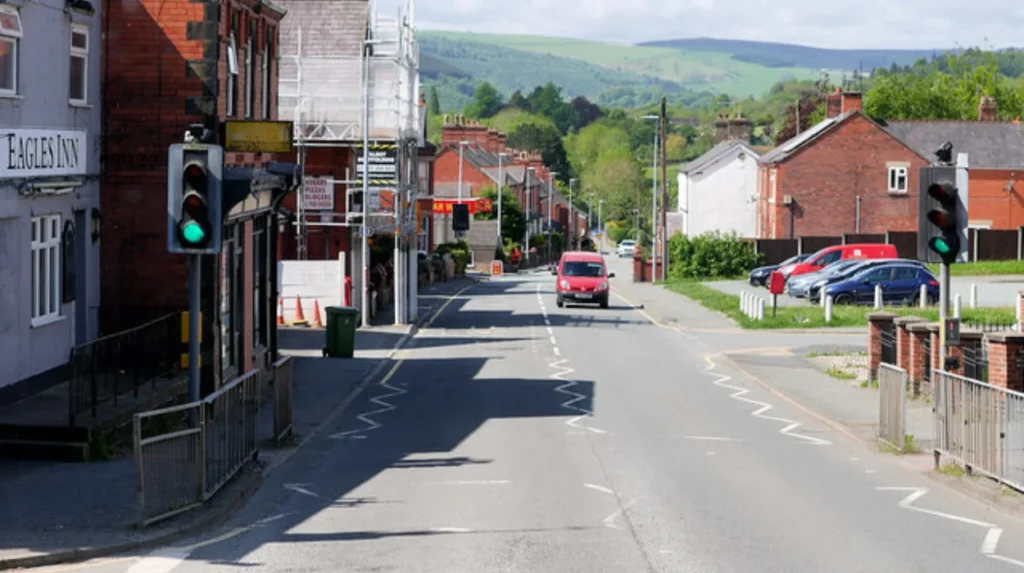
The ironworks exemplified the era’s innovation, harnessing local coal, clay, and iron ore deposits. Workers forged Ruabon Red bricks, a hallmark material adorning many village structures, including now-closed chapels repurposed for contemporary uses. This brick’s distinctive hue became a symbol of Acrefair’s craftsmanship, exported widely and still visible in historic buildings.
Coal mining and clay extraction complemented the iron industry, creating a bustling economy. Tramways, such as the Ruabon Brook Tramway, snaked through streets at ground level, transporting goods to factories like the Monsanto chemical works, operational since before World War II. Monsanto’s European debut here marked Acrefair’s global footprint, though production ended in 2010, leaving a legacy of chemical innovation.
Key Industries and Their Legacies
The New British Iron Company’s operations peaked in the mid-19th century, with advancements in smelting techniques boosting output. Managers like John Williams, who relocated to Acre House in 1864, oversaw expansions that integrated local resources efficiently. Post-closure, the site hosted diverse businesses, culminating in Air Products’ air separation equipment until 2009.
Monsanto’s presence introduced synthetic rubber and agricultural chemicals, adapting through subsidiaries like FlexSys. These industries not only provided employment but shaped community life, from workers’ housing to social clubs. The shift from heavy industry to lighter manufacturing reflected broader economic transitions, with remnants like brick kilns evoking the village’s industrious past.
Clay pits supplied materials for ceramics and refractories, while coal fueled furnaces across the Dee Valley. Entrepreneurs like George Mason initiated ventures in the 1860s, later managed by locals such as Roberts and Scot Maginnis. These efforts cemented Acrefair’s role in Wales’ industrial heartland, blending ingenuity with the land’s bounty.
Transportation Evolution Through the Ages
Acrefair railway station anchored the village’s connectivity on the Ruabon–Barmouth line, facilitating passenger and freight movement until its closure on 18 January 1965 amid the Beeching Axe rationalizations. This event symbolized the decline of rural rail networks, yet the station’s legacy endures in local lore.
Tramways bridged the gap, with the Ruabon Brook line serving industries directly at street level. Horse-drawn initially, they evolved with steam power, underscoring Acrefair’s adaptation to technological progress. Today, the Llangollen Railway heritage line nearby revives rail enthusiasm, offering scenic journeys that echo the village’s transport history.
Roads and canals complemented these networks; the nearby Ellesmere Canal and Pontcysyllte Aqueduct highlight engineering prowess from the same era. Modern bus services and the A539 maintain links to Wrexham and beyond, ensuring Acrefair remains accessible without sacrificing its peaceful demeanor.
Community Life and Architectural Heritage
Acrefair’s architecture weaves industrial grit with Victorian elegance, featuring Ruabon Red brick chapels and terraced homes. Once bustling with a petrol station, newsagents, post office, chemist, kebab shop, and Chinese takeaways, the village sustains everyday needs amid its historic fabric.
Community initiatives, like those from the Plas Kynaston Canal Group, revitalize spaces through lottery-funded projects. Efforts in 2016 targeted outdoor transformations in Cefn Mawr and surrounds, promoting heritage trails and visitor amenities. These endeavors foster participation, blending preservation with contemporary vibrancy.
Local events, from historical talks on surnames to sales at community halls, knit residents together. The George Edwards Hall hosts gatherings, while clubs offer raffles and socials. This communal ethos, rooted in shared industrial ancestry, ensures Acrefair thrives as a close-knit haven.
Cultural Significance and Notable Figures
Acrefair’s cultural tapestry reflects Wales’ bilingual soul, with Welsh spoken alongside English in daily life. Chapels, though closed, symbolize nonconformist traditions strong in the region. The Williams family of Acre House exemplifies influential locals, their ironworks management shaping economic narratives.
Proximity to Llangollen’s eisteddfod heritage infuses artistic spirit, with valley folk music and storytelling traditions alive in gatherings. Vision of Britain records chart Acrefair’s demographic shifts within Wrexham, from industrial boom to stable present.
Modern cultural nods include canal restoration bids emphasizing historical signage and i-beacons for immersive tours. These preserve stories of workers and innovators, positioning Acrefair as a living museum of Welsh resilience.
Modern Acrefair: Economy and Lifestyle
Post-industrial Acrefair pivots toward tourism and small enterprises. The former ironworks site, now repurposed, hints at potential regeneration, while chemical works closure spurred diversification. Residents commute to Wrexham or Llangollen, balancing village life with urban opportunities.
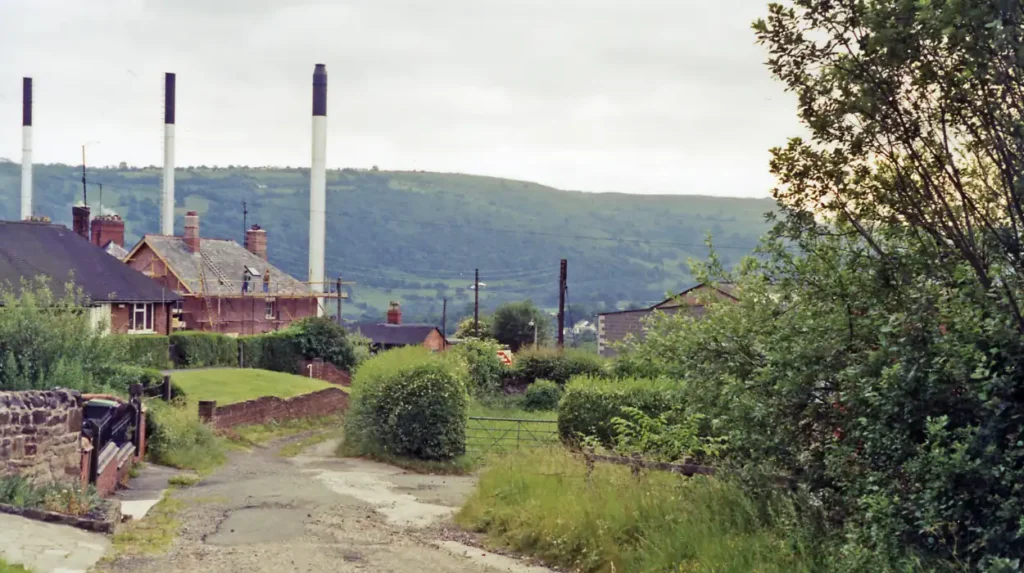
Amenities like convenience stores and eateries cater to locals, fostering self-sufficiency. Community projects enhance green spaces, aligning with Wales’ outdoor ethos. Housing blends period cottages with modern builds, attracting families valuing heritage proximity.
Economic stability draws from tourism, with Dee Valley trails luring hikers. The area’s low-key vibe appeals to retirees and remote workers, underscoring Acrefair’s adaptability in a changing Wales.
Environmental Conservation Efforts
The Dee Valley’s biodiversity thrives under stewardship, with groups safeguarding river habitats. Restoration of Plas Kynaston Canal promises ecological boosts, creating wetlands and pathways. These initiatives counter industrial scars, promoting sustainable tourism.
Local councils prioritize green infrastructure, from signage to community gardens. Acrefair’s fields and woods support wildlife, with birdwatching spots along the river. Conservation balances growth, ensuring the village’s natural legacy endures.
Acrefair in Welsh History
Acrefair mirrors Wales’ industrial narrative, from agrarian idyll to forge of empire. Its iron fueled railways nationwide, while chemicals advanced wartime efforts. Postwar, it navigated deindustrialization gracefully, embodying northern Wales’ tenacity.
Within Wrexham’s evolution, Acrefair contributed to county borough formation, its story intertwined with Ruabon’s. Academic insights from National Library of Wales archives illuminate family dynasties like the Williamses, anchoring the village in scholarly discourse.
Visiting Acrefair: Practical Insights
Travelers reach Acrefair via Wrexham (10 miles east) or Llangollen (5 miles west), with ample parking for explorers. Start at valley viewpoints, then trace industrial relics via heritage paths. Nearby Pontcysyllte Aqueduct offers a bucket-list walk, its 19th-century grandeur mesmerizing.
Accommodation spans B&Bs in Cefn Mawr to self-catering in Trevor. Dining favors local pubs serving Welsh lamb and cask ales, paired with valley wines. Spring brings bluebells; autumn, harvest festivals—seasons enhance every visit.
For deeper immersion, join canal group tours or hall events. Acrefair rewards patient discovery, its quiet lanes revealing stories untold elsewhere in Wales.
Future Prospects and Preservation
Regeneration bids signal optimism, with £1.6M lottery pursuits transforming spaces. Partnerships like Dee Valley Trust envision visitor hubs and cultural nodes, sustaining jobs.
Preservation champions Ruabon bricks and tramway echoes, resisting overdevelopment. As Wrexham grows, Acrefair’s distinct voice endures, a beacon for sustainable heritage tourism.
This village, born of acres and iron, continues evolving while honoring roots. Its story invites reflection on Wales’ past and promise, ensuring Acrefair remains eternally relevant.