


Acton, Wales stands as a captivating chapter in the rich tapestry of British locales, blending ancient roots with modern vibrancy. This exploration delves into its multifaceted story, from early settlements to contemporary life, crafted for enduring relevance.
- Origins and Early Settlement
- Medieval Foundations and Feudal Life
- Tudor and Stuart Transformations
- Industrial Awakening and Victorian Progress
- Acton’s Role in Modern History
- Cultural Heritage and Landmarks
- Natural Beauty and Green Spaces
- Economic Evolution and Modern Industry
- Community Spirit and Social Fabric
- Transportation and Connectivity
- Acton in Popular Culture
- Preserving Acton’s Future
- Why Acton Endures
Origins and Early Settlement
Long before recorded history, the lands now known as Acton served as a vital hub for early human activity. Archaeological evidence points to prehistoric communities that thrived on the area’s fertile soils and waterways, establishing patterns of habitation that echoed through millennia. These early inhabitants relied on natural resources for sustenance, laying the groundwork for the enduring legacy of the region.
As Roman influence swept across Britain during the first century AD, Acton found itself positioned along key routes connecting London to the northwest. Roman engineers constructed Watling Street, a monumental road that traversed the area, facilitating trade, military movements, and cultural exchange. Villas and farmsteads dotted the landscape, showcasing advanced agricultural techniques and a sophisticated grasp of engineering that integrated the locale into the empire’s vast network.
The departure of Roman legions around 410 AD ushered in the Anglo-Saxon era, transforming Acton’s character once more. Migrants from continental Europe introduced new farming methods and social structures, with place names evolving to reflect their linguistic imprint. Acton itself derives from the Old English “Ac-tun,” meaning “farmstead by the oak trees,” a nod to the prominent oaks that defined the terrain and provided essential timber and acorns for early agrarian life.
Medieval Foundations and Feudal Life
The Norman Conquest of 1066 profoundly shaped Acton’s medieval trajectory. William the Conqueror’s Domesday Book of 1086 records Acton as a modest holding valued for its meadows and woodlands, contributing to the feudal economy under manorial oversight. Lords managed vast estates, while peasants toiled the fields, their lives governed by seasonal rhythms and manorial courts.
By the 13th century, Acton emerged as a ecclesiastical center with the establishment of St. Mary’s Church, its Norman origins later embellished with Gothic arches and intricate stonework. This parish church became the heart of community life, hosting baptisms, weddings, and markets that drew villagers from surrounding hamlets. The Black Death in the mid-14th century decimated the population, yet Acton rebounded through resilient communal efforts and innovations like the three-field crop rotation system.
Feudal ties began to loosen during the late medieval period as wool trade flourished. Local shepherds grazed flocks on common lands, exporting fleeces to Flemish weavers and fueling economic growth. Manorial records from this era reveal disputes over grazing rights and enclosures, mirroring broader tensions that would culminate in the English Civil War.
Tudor and Stuart Transformations
The Tudor dynasty brought Renaissance influences to Acton, with Henry VIII’s Dissolution of the Monasteries in the 1530s redistributing church lands to secular lords. Acton’s estates passed into gentry hands, who invested in half-timbered manor houses featuring jettied upper stories and leaded windows, symbols of newfound prosperity.
Elizabeth I’s reign saw Acton benefit from enclosure acts that consolidated farmland, boosting productivity amid rising London demand. The area’s proximity to the capital—mere miles west—positioned it as a retreat for courtiers seeking respite from court intrigues. Literary figures like Shakespeare may have passed through en route to rural idylls, though direct ties remain speculative.
The Stuart era thrust Acton into national turmoil during the English Civil War (1642-1651). Royalist and Parliamentarian forces clashed nearby, with local militias mustering in churchyards. Post-Restoration, Charles II’s charters granted market fairs, stimulating trade in dairy and ale, while nonconformist chapels emerged, reflecting religious pluralism.
Industrial Awakening and Victorian Progress
The 18th century heralded agricultural enclosures that reshaped Acton’s countryside into hedgerow-patterned fields, emblematic of the Georgian landscape. Turnpike roads improved connectivity, spurring coaching inns that catered to travelers bound for Wales and beyond. Figures like Capability Brown drew inspiration from such verdant settings for their picturesque designs.
The Industrial Revolution arrived subtly, with brickworks and breweries harnessing local clay and barley. By the 19th century, Acton transitioned from rural parish to burgeoning suburb as railways linked it irrevocably to London. The Great Western Railway’s arrival in the 1860s facilitated commuter flows, erecting terraced housing with bay windows and iron railings.
Victorian Acton epitomized progress, with philanthropists funding board schools and almshouses. The Public Health Acts prompted sewerage improvements, curbing cholera outbreaks and elevating life expectancy. Local industries, including gasworks and laundries, employed women and immigrants, diversifying the populace amid empire’s peak.
Acton’s Role in Modern History
The 20th century tested Acton’s mettle during the World Wars. World War I claimed numerous sons, commemorated in war memorials adorned with Portland stone. Factories retooled for munitions, while allotments sustained rations. World War II saw barrage balloons over fields and evacuees billeted in cottages, with the Blitz’s distant glow a stark reminder of urban vulnerability.
Postwar reconstruction emphasized green belts to preserve Acton’s rural charm against suburban sprawl. The 1947 Town and Country Planning Act safeguarded commons and woodlands, fostering a commuter haven. Cultural shifts brought the Festival of Britain spirit, with village halls hosting exhibitions of modern design.
Immigration from the Commonwealth enriched Acton’s fabric from the 1950s, introducing Caribbean eateries and Asian grocers alongside traditional pubs. The 1965 London Government Act integrated Acton into the Ealing borough, streamlining services while retaining community identity through active residents’ associations.
Cultural Heritage and Landmarks
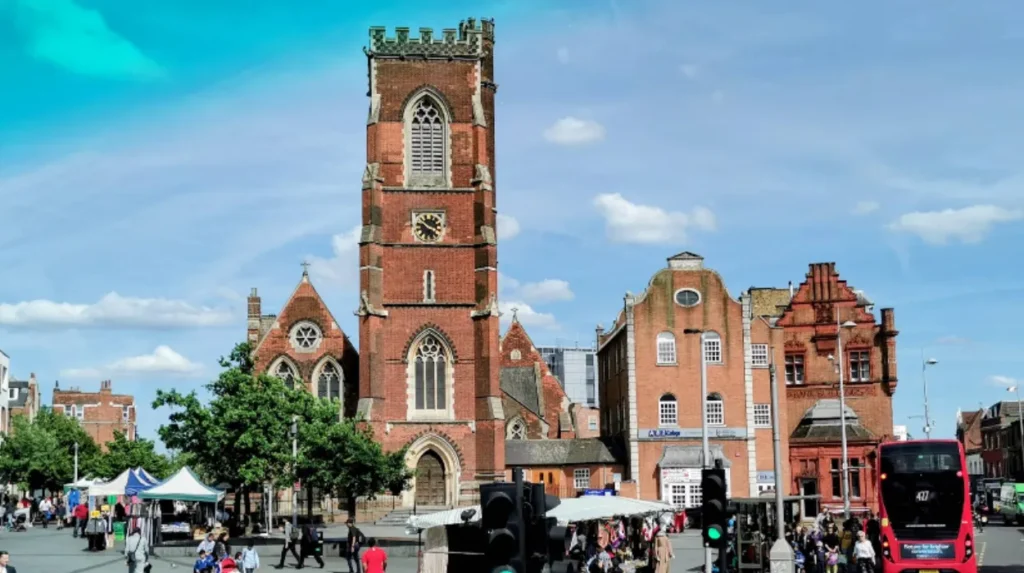
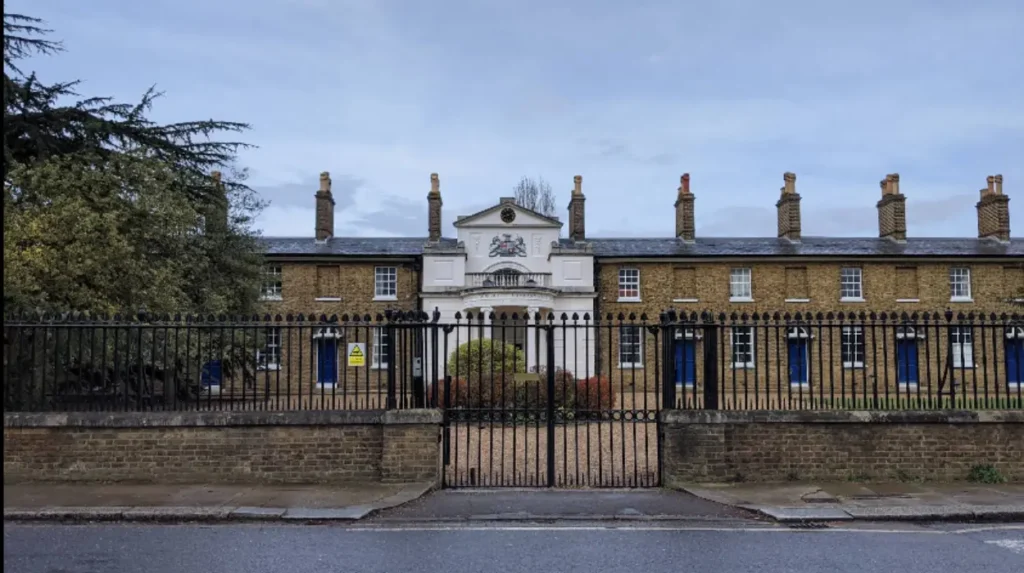
Acton’s cultural heartbeat pulses through its architecture. St. Mary’s Church, with its 15th-century tower and medieval font, anchors the skyline, its bells tolling for evensong. Nearby, the Acton Manor House—rebuilt in the 18th century—boasts Georgian symmetry and walled gardens, hosting heritage open days.
Priory Park, once monastic grounds, now offers manicured lawns, aviaries, and a boating lake, ideal for picnics under ancient cedars. The museum within preserves Roman artifacts and Victorian tools, narrating Acton’s layered past. Literary connections abound, with Dickens referencing nearby inns in his novels.
Folklore adds mystique: tales of the Acton Oak, a gnarled veteran said to shelter highwaymen, persist in local lore. Annual events like the Acton Fair revive medieval traditions, featuring morris dancers and craft stalls, bridging past and present.
Natural Beauty and Green Spaces
Acton’s landscapes captivate with rolling meadows and ancient woodlands. Gunnersbury Park, straddling borough lines, encompasses 75 hectares of lakeside paths and wildflower meadows, a haven for herons and kingfishers. Designated a Local Nature Reserve, it supports biodiversity conservation efforts.
The Grand Union Canal slices through, its towpaths perfect for cycling amid narrowboats painted in canal rose. Bluebells carpet spring woods, while autumn yields blackberries for foraging. Community orchards preserve heritage apples like Cox’s Orange Pippin, tying ecology to culinary tradition.
Environmental stewardship thrives via initiatives like the Acton Climate Action Network, planting pollinator strips and monitoring air quality. These efforts ensure Acton’s green legacy endures against urbanization pressures.
Economic Evolution and Modern Industry
Historically agrarian, Acton pivoted to light industry during the interwar years. Printing presses and engineering firms capitalized on skilled labor, producing everything from bicycle parts to gramophones. Postwar, tech startups clustered in converted warehouses, drawn by proximity to Heathrow.
Today, Acton balances retail with innovation. Independent shops on Church Road vend artisanal cheeses and vinyl records, while co-working spaces foster startups in fintech and design. The creative quarter buzzes with street art murals and pop-up galleries, channeling Shoreditch energy into suburban confines.
Sustainability drives the economy: solar farms dot outskirts, and zero-waste markets reduce packaging. Local procurement supports circular principles, from farm-to-fork cafes to repair cafes mending electronics.
Community Spirit and Social Fabric
Acton’s residents embody resilience, volunteering through groups like the Acton Welfare Association, which aids vulnerable families. Libraries host reading circles and digital skills workshops, bridging generational divides. Youth clubs channel energy into scouts and uk/sports/">sports, nurturing future leaders.
Diversity shines in festivals blending Diwali lights with Hogmanay ceilidhs. Faith communities—churches, mosques, gurdwaras—collaborate on food banks, exemplifying social cohesion. Oral histories collected by the Acton History Group preserve immigrant narratives, enriching collective memory.
Education anchors progress: primary schools emphasize forest schooling, while secondary academies excel in STEM, feeding talent to Imperial College nearby.
Transportation and Connectivity
Acton’s nodal position endures via Transport for London’s web. Acton Main Line station dispatches trains to Paddington in seven minutes, ideal for city workers. Cycle superhighways link to Hyde Park, promoting active travel.
Buses ply routes to Oxford Street, while electric car clubs mitigate congestion. Future Crossrail enhancements promise seamless airport links, enhancing Acton’s allure as a gateway suburb.
Acton in Popular Culture
Literature immortalizes Acton: P.G. Wodehouse set Jeeves escapades amid its golf courses, while modern thrillers stage chases along canal paths. Films like “Notting Hill” nod to its charm, though stars favor its anonymity.
Music venues host indie gigs, with the Acton Arts Depot nurturing talents akin to Adele’s early haunts nearby. Podcasts explore its ghosts, blending fact with spectral fancy.
Preserving Acton’s Future
Heritage societies advocate for listed buildings, thwarting overdevelopment. Regeneration balances high streets with affordable housing, guided by the Ealing Local Plan. Community land trusts secure playing fields, ensuring intergenerational access.
Climate resilience features flood defenses along the Brent River and tree-planting drives. Acton’s masterplan envisions walkable neighborhoods with pocket parks, harmonizing growth with green ethos.
Why Acton Endures
Acton’s allure lies in its layered authenticity—from Saxon tun to digital hub. Visitors wander timber-framed lanes, savoring ploughman’s lunches in beamed pubs, while residents cherish unhurried rhythms amid metropolitan pulse. This evergreen enclave invites exploration, rewarding the curious with stories etched in stone and soil.