

Key Points
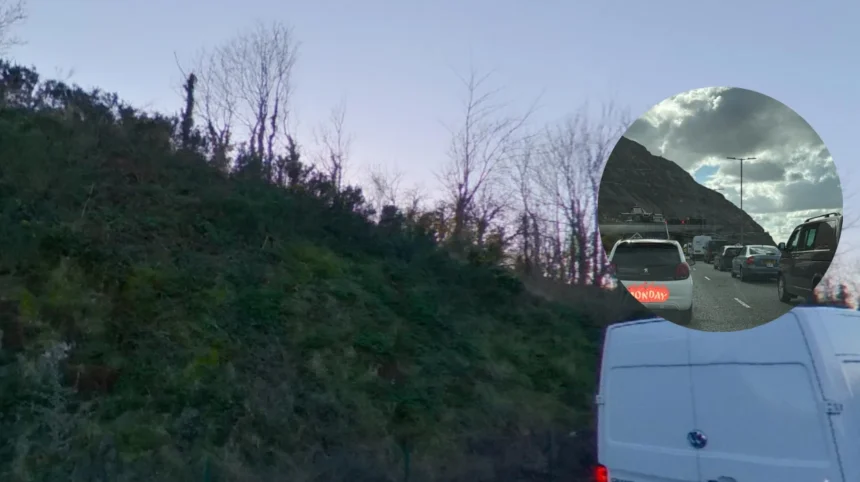
- North Wales travel impacted by congestion: The start of the bank holiday weekend has brought heavy traffic across major routes in North Wales, with queues building on key arteries into coastal towns.
- Live travel updates under way: Local media are providing ongoing live coverage of North Wales travel conditions, including delays and incidents reported by authorities and drivers.
- Road and rail disruptions expected: Traffic Wales and Transport for Wales have flagged engineering works, road alerts, and altered services that could affect North Wales travel over the weekend.
- Holiday‑period advice issued: With dry, warm weather forecast, drivers and passengers are being urged to plan ahead, allow extra time, and check live North Wales travel information before setting off.
Wales(Wales Times)May 22, 2026 – North Wales travel has been hit by growing congestion as the bank holiday weekend gets under way, with bottlenecks reported on the A55 and several approach roads into busy coastal spots.
- Key Points
- What are the main traffic hotspots for North Wales travel?
- How are rail passengers affected on North Wales travel routes?
- What advice are authorities giving for North Wales travel?
- Are there any weather or safety concerns for North Wales travel?
- Background of North Wales travel during bank holidays
- What this North Wales travel development means for travellers
What are the main traffic hotspots for North Wales travel?
Traffic on the A55 coastal expressway between uk/local/bangor/">Bangor and Holyhead has been among the busiest corridors, with journey times noticeably longer than usual.
North Wales travel via the A494 around Mold and key junctions leading into Colwyn Bay and Llandudno has also seen extended queues, particularly around mid‑morning and early afternoon.
Authorities monitoring North Wales travel have highlighted that even minor incidents can quickly turn into major delays, especially as the holiday‑period volume of traffic rises.
Motorists passing through North Wales travel routes are being advised to check live traffic maps, such as the Traffic Wales real‑time service, for lane‑closure warnings and alternative‑route suggestions.
How are rail passengers affected on North Wales travel routes?
Beyond the roads, Transport for Wales has announced that improvement and maintenance work is scheduled at key locations over the bank holiday weekend, which may affect journeys into or out of North Wales.
A spokesperson for Transport for Wales noted that approximately 1.5 million passengers typically travel over bank holidays, and that passengers should consult timetables and journey planners before travelling.
National Rail information for Transport for Wales lists diversions and reduced services on certain routes, particularly where engineering works coincide with popular leisure travel corridors serving North Wales.
Avanti West Coast has also confirmed timetable changes on selected long‑distance services linking England with North Wales and the north‑west of England, which may indirectly influence how some passengers plan their North Wales travel.
What advice are authorities giving for North Wales travel?
The Traffic Wales website and app are relaying alternate‑route information and live camera feeds for major trunk roads, advising drivers to avoid bottlenecks where possible.
National and regional motoring organisations are urging drivers to check fuel, tyres, and lights before long North Wales travel journeys, and to avoid travelling during the busiest times of day.
Emergency services in North Wales have reiterated messages about keeping mobile phones out of reach while driving, and to use safety lines or service areas if delays become prolonged.
Local councils and police have reminded visitors that parking in residential areas without permission can lead to fines and towing, especially around popular seaside destinations that attract North Wales travel over bank holidays.
Are there any weather or safety concerns for North Wales travel?
Met Office forecasts for the region indicate largely dry conditions with temperatures above seasonal averages, which is expected to increase North Wales travel to coastal areas and country parks.
Safety messages from local councils and visitor centres highlight the need to park responsibly, supervise children near busy roads, and to avoid walking along motorway hard shoulders or on busy rural roads during North Wales travel.
The Traffic Wales website maintains a dedicated section for roadworks and road closures, which is being updated in real time as new incidents and planned works are reported, including those affecting North Wales travel.
Background of North Wales travel during bank holidays
North Wales has long been a popular destination during UK bank holidays, with the A55 forming a key artery between Holyhead and cities such as Chester and Warrington.
In previous years, similar travel patterns have led to congestion on the A55 and surrounding A‑roads, prompting improvements such as the A55 and Deeside corridor upgrades and the use of variable‑message signs to manage North Wales travel queues.
The current rolling‑update model adopted by regional outlets reflects a wider trend in local journalism, where newsrooms provide live North Wales travel coverage alongside social‑media and traffic‑information feeds.
What this North Wales travel development means for travellers
For road users and rail passengers, the combination of bank‑holiday traffic, planned railway works, and popular weather conditions means that North Wales travel times are likely to be longer than usual.
Motorists are expected to benefit from checking live map services, Traffic Wales alerts, and local authority websites before setting off on North Wales travel routes, while those using trains should consult the National Rail and Transport for Wales journey planners for service changes.
Over the coming years, operators and local authorities may continue to adjust signalling, maintenance schedules, and information systems to smooth out peak‑period North Wales travel congestion, especially as climate‑related patterns alter when and how people travel.