
Glamping North Wales infrastructure represents the commercial integration of luxury amenities with traditional outdoor camping assets across the distinct geographical landscapes of the region. The modern operational framework originates from historical estate conservation initiatives and agricultural diversification strategies designed to offset volatile farming revenues during the late twentieth century. Initial structures consisted of rudimentary canvas tents, which evolved into advanced wooden pods, insulated shepherd huts, and geodesic domes engineered to withstand maritime weather conditions. This structural transition aligns with the growth of regional eco-tourism initiatives and strict planning regulations managed by Welsh local planning authorities.
- What unique accommodation types define glamping North Wales properties?
- How does the geographic landscape influence glamping North Wales site selection?
- What economic factors drive the glamping North Wales market?
- What environmental regulations govern glamping North Wales developments?
- FAQs About Glamping North Wales
The emergence of upscale outdoor hospitality in this specific region responds directly to structural changes in UK consumer travel preferences. According to the UK Caravan and Camping Alliance 2024 Economic Benefit Report, the holiday park and campsite sector in Wales generates 1.66 billion pounds in gross direct visitor expenditure. The geographic distribution of this economic impact reveals that North Wales secures the largest share, generating 1.1 billion pounds in visitor expenditure and supporting 20,102 full-time equivalent jobs. This concentrated economic output stems from the historical development of transport corridors linking major English urban hubs to regional natural assets.
The structural composition of properties has shifted significantly from temporary seasonal setups to permanent year-round installations. Data from market intelligence assessments indicates that 63% of all modern glamping sites maintain operational capabilities throughout the entire calendar year. This permanent capability relies on structural engineering advancements, including double-glazed windows, composite thermal insulation layers, and integrated underfloor heating systems. These technical specifications allow operators to mitigate the historic 2 to 4 month seasonal winter closures that traditionally limited the profitability of regional Welsh outdoor hospitality businesses.
Regulatory frameworks enforced by Visit Wales have standardized the quality criteria across these historical and modern accommodations. The official Visit Wales Quality Assured Glamping scheme applies strict grading parameters, requiring a minimum overall percentage score of 60% for basic accreditation. Premium properties targeting the luxury market must achieve a minimum score of 80% to secure the prestigious Gold Award designation. These formal regulatory standards monitor specific structural assets, including structural integrity, internal living space square footage, private bathroom sanitation systems, and high-quality bed specifications.
What unique accommodation types define glamping North Wales properties?
Glamping North Wales properties are defined by distinct structural categories engineered to provide premium hospitality experiences within rural environments. The primary architecture consists of four core types: timber glamping pods, historical shepherd huts, geodesic domes, and safari tents. Timber glamping pods account for 46.23% of the total regional market share due to their rigid construction and structural durability. These pods feature curved arch frameworks, cross-laminated timber panels, and high-performance insulation blankets that deliver optimal thermal efficiency during low-temperature winter months.
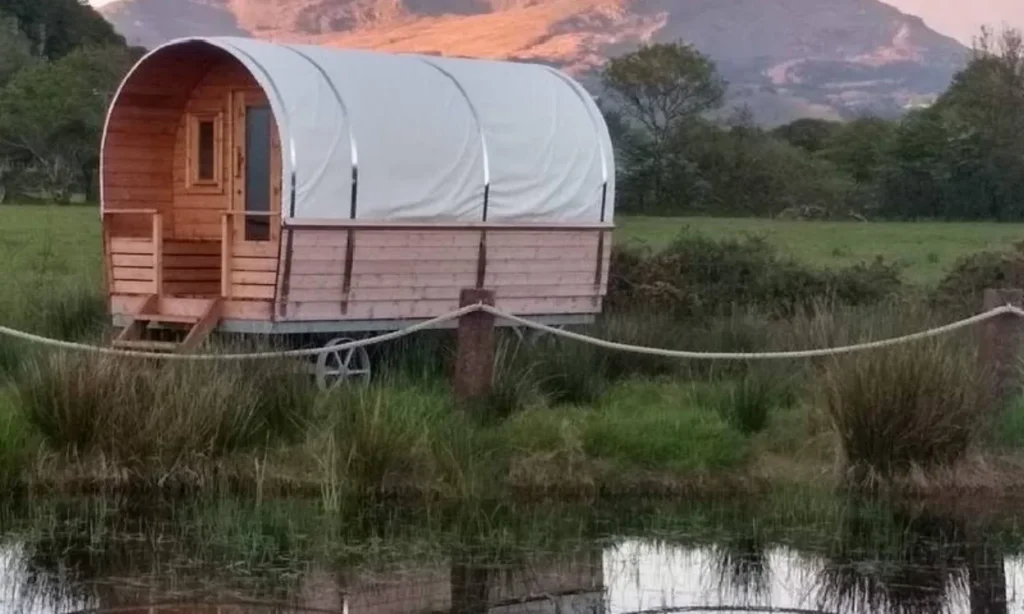
Shepherd huts represent the second major category, utilizing a historical design modeled after traditional mobile agricultural shelters. Modern iterations feature steel chassis structures, cast iron wheels, external corrugated iron cladding, and internal tongue-and-groove timber paneling. These units measure between 12 and 24 feet in length, incorporating compact space-saving internal components. Integrated assets include pull-down double beds, concealed storage units, fully functional kitchenettes, and wood-burning stoves that function as primary heating sources.
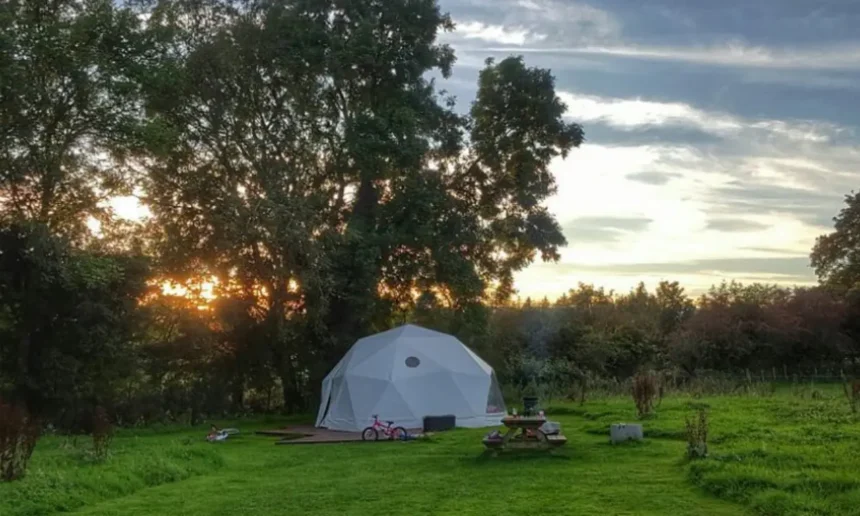
Geodesic domes and safari tents constitute the seasonal and architectural design-led segments of the North Wales luxury hospitality market. Geodesic domes utilize triangular structural elements arranged in a spherical configuration, providing high structural strength and wind resistance. These domes incorporate transparent polyvinyl chloride viewing panels designed to maximize panoramic vistas of mountainous or coastal terrains. Safari tents utilize heavy-duty canvas membranes supported by robust timber pole frameworks, featuring extended canvas canopies, multi-room internal canvas partitions, and integrated wooden deck flooring platforms.
The premium tier of these accommodation categories increasingly features integrated private wellness amenities as core competitive differentiators. Operators routinely install wood-fired or electrically heated hot tubs on external timber decking areas to elevate average daily rental rates. These outdoor hydrotherapy units require dedicated water filtration, chemical treatment protocols, and regular thermal monitoring to comply with environmental health standards. The integration of private bathrooms with mains-connected flushing toilets and enclosed shower cubicles distinguishes these luxury accommodations from conventional campsite facilities.
How does the geographic landscape influence glamping North Wales site selection?
The geographic landscape of North Wales dictates site selection parameters through topographical constraints, microclimate variations, and proximity to major protected natural landmarks. The region divides into three distinct environmental zones: the mountainous alpine terrain of Eryri National Park, the coastal perimeter of the Llŷn Peninsula, and the lowland valleys of Denbighshire. Eryri National Park provides elevated topographies that appeal to consumers seeking isolation and adventure sports access. Site selection within this zone requires careful evaluation of slope stability, natural drainage channels, and strict visual impact assessments.
Coastal zones, specifically around the Isle of Anglesey and the Llŷn Peninsula, introduce distinct environmental variables that influence engineering choices. Coastal sites experience higher wind loads and accelerated salt spray exposure, requiring corrosion-resistant materials for all external fixtures. Operators in these areas select marine-grade stainless steel hardware, treated timber framing, and heavy-duty ground anchor systems to secure structures. The visual connection to marine environments permits premium pricing structures but restricts development to areas outside designated Sites of Special Scientific Interest.
Lowland river valleys and woodland microclimates offer natural shelter from severe wind forces, reducing structural wear on canvas-based accommodations. Woodland sites utilize the natural tree canopy to provide shade and privacy, which are highly valued attributes in luxury experiential travel. Developers must execute comprehensive arboricultural surveys to prevent root damage during installation and mitigate risks from falling limbs. Soil composition across these valley locations typically requires specialized screw-pile foundations rather than traditional concrete slabs to minimize permanent environmental disruption.
Access to municipal infrastructure and transport networks represents the final critical landscape factor governing commercial viability. Properties situated near primary arterial routes, such as the A55 expressway, optimize consumer accessibility from major metropolitan origins including Manchester and Liverpool. Remote off-grid sites require substantial capital investment in localized infrastructure assets, including solar photovoltaic arrays, biomass heating systems, and borehole water extraction networks. Planning authorities heavily scrutinize these access factors to ensure emergency vehicle access and manage local traffic volume increases.
What economic factors drive the glamping North Wales market?
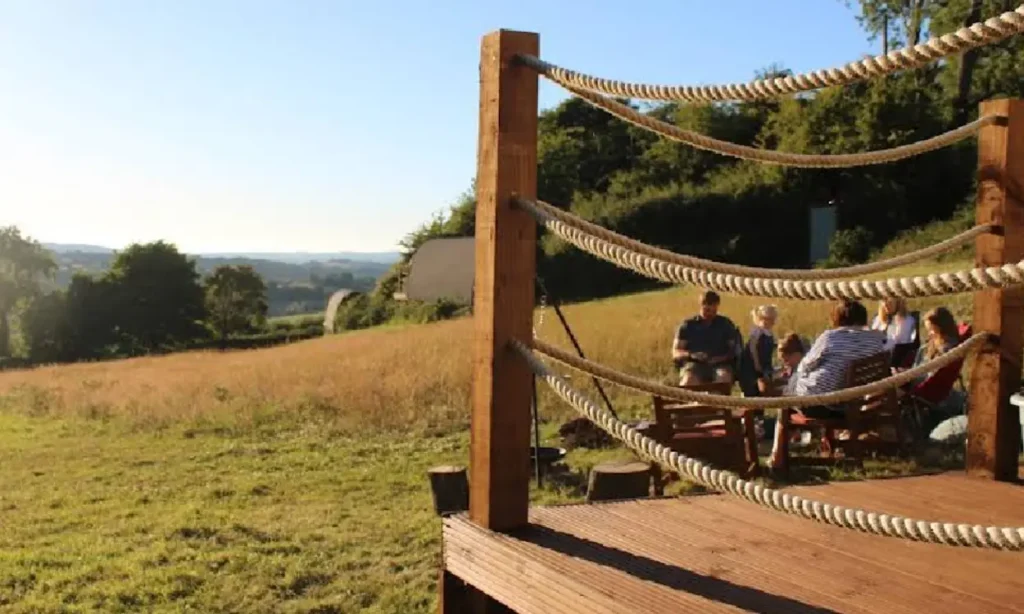
The economic growth of the glamping North Wales market is driven by shifting demographic travel patterns, rising domestic staycation spending, and high-margin operator returns. Macroeconomic data from Grand View Research indicates that the United Kingdom glamping market size reached 209.8 million dollars in 2023 and maintains a compound annual growth rate of 10.7%. This expansion is propelled by the structural escalation of domestic staycation budgets among UK households. Historical consumer data demonstrates that average staycation expenditure by UK consumers rose from 422.7 pounds in 2011 to 874 pounds per trip by the mid-2020s.
Demographic analysis reveals that the 18 to 32 age group dominates market demand, accounting for 45.16% of total revenue share. This generational cohort prioritizes experiential travel assets, digital connectivity, and sustainable tourism options over material acquisitions. Market surveys indicate that 85% of individuals within this demographic request high-speed Wi-Fi infrastructure at rural destinations. This requirement forces operators to invest in fiber-optic routing or satellite-based internet systems to satisfy the consumer expectations of digitally native travelers.
The financial performance of branded luxury glamping operations demonstrates superior margin efficiency compared to independent hospitality alternatives. Established operators achieve earnings before interest, taxes, depreciation, and amortization margins ranging from 25% to 35%. Independent single-site operators typically generate lower margins, fluctuating between 10% and 15%, due to higher customer acquisition costs and limited booking leverage. This profitability gap drives institutional investment and consolidation trends across the regional Welsh outdoor accommodation sector.
The broader regional economy derives substantial secondary benefits from glamping developments through localized supply chain integration. Overnight visitors staying in glamping accommodations generate direct economic transactions with rural retail businesses, agricultural farm shops, and hospitality providers. Government tourism statistics show that domestic visitors taking overnight holiday trips in Wales spend an average of 295 pounds per trip. This capital injection sustains seasonal employment and supports the economic viability of remote communities throughout the North Wales perimeter.
What environmental regulations govern glamping North Wales developments?
Environmental regulations governing glamping North Wales developments are structured to protect regional biodiversity while facilitating controlled sustainable economic growth. The primary statutory framework relies on the Town and Country Planning Act 1990, which requires formal planning permission for permanent structural changes. Local planning authorities assess applications based on visual landscape integration, vehicular access safety, and ecological sustainability metrics. Temporary structures may operate under specific permitted development rights, which allow land usage for a maximum of 28 days per year without formal approval.
Ecological protections are strictly enforced by Natural Resources Wales to prevent habitat fragmentation across protected wilderness zones. Developments located within or adjacent to Special Areas of Conservation must undergo a rigorous Habitats Regulations Assessment. These assessments evaluate potential disruptions to protected flora and fauna, including rare bat populations, nesting bird species, and ancient woodland ecosystems. Mitigation strategies often mandate the installation of wildlife corridors, bat boxes, and specialized low-impact directional exterior lighting systems.
Waste management and drainage infrastructure constitute critical compliance fields for rural hospitality operators. Traditional septic tank installations are subject to strict registration rules under General Binding Rules administered by Natural Resources Wales. Properties must utilize advanced packaged sewage treatment plants that discharge effluent adhering to precise purity parameters. This requirement prevents the contamination of local watercourses, sensitive groundwater aquifers, and designated coastal bathing waters near the accommodation sites.
Sustainable building design and carbon reduction targets are increasingly integrated into local planning policy documents. Local authorities prioritize developments that demonstrate a commitment to low-carbon construction materials and green energy integration. Operators deploy ground-source heat pumps, rainwater harvesting systems, and permeable paving materials to comply with sustainable drainage system regulations. These environmental control measures ensure that expanding tourism capacity does not degrade the natural landscapes that attract visitors to North Wales.
FAQs About Glamping North Wales
Is planning permission required for glamping pods in North Wales?
Yes, formal planning permission is required from the local planning authority for any permanent glamping pod installation in North Wales. The engineering process involves structural alterations, utility connections, and changes in land use classification. Minimal exceptions apply only under specific permitted development rights for temporary, short-term seasonal operations.
Can you go glamping in North Wales with dogs?
Yes, a substantial percentage of glamping sites across North Wales provide dedicated dog-friendly accommodations. These specific properties feature enclosed outdoor decking areas, secure perimeter fencing, and direct access to regional walking trails. Operators usually apply a minor additional cleaning fee to maintain internal hygiene standards.
What amenities are typically included in luxury glamping units?
Luxury glamping units typically include domestic amenities equivalent to premium hotel standards. These assets comprise internal en-suite bathrooms, fully equipped kitchenettes, real mattresses with linen, electric heating, and high-speed internet access. Premium sites also feature private outdoor hot tubs and dedicated fire pit zones.
How do off-grid glamping sites generate power in Wales?
Off-grid glamping sites generate electrical power using integrated renewable energy systems. These systems combine roof-mounted solar photovoltaic panels, specialized lithium-ion storage battery banks, and backup low-emission generators. Space and water heating are primarily managed via biomass boilers, LPG systems, or wood-burning stoves.
What is the best time of year for glamping in North Wales?
The peak operational period for glamping extends from May through September when weather conditions are optimal. However, the high structural insulation levels and integrated heating systems of modern timber pods make year-round booking viable. Winter glamping offers reduced booking rates and lower visitor density across popular regional tourist landmarks.