Key Points
- South Wales Police abandoned controversial guidance critics called a “de facto blasphemy law” following free speech backlash and threatened legal action
- The force confirmed it will “pause” implementation of rules requiring officers to record incidents of “hostility” towards Muslims
- Guidance instructed officers to log material deemed to go beyond “legitimate” discussion of Islam, a definition critics labelled vague and subjective
- Opponents argued the policy risked creating a chilling effect on public debate by empowering officers to decide acceptable religious criticism
- The Free Speech Union threatened judicial review unless the policy was withdrawn
- Conservatives referred the matter to the Equality and Human Rights Commission
- Lord Young, founder of the Free Speech Union, welcomed the climbdown but said the proposal should never have been introduced
- Blasphemy laws were repealed in the UK 18 years ago, according to Lord Young
- Under the proposed framework, officers would create records potentially disclosed in employment vetting checks
- Max Thompson, campaign officer at the Free Speech Union, warned the policy handed police power to police opinions about religion
- Shadow Equalities Minister Claire Coutinho intervened, urging EHRC to investigate the policy on discrimination grounds
- Coutinho said the rules amounted to “a de facto blasphemy law” risking unequal treatment in how criticism of different religions was recorded
- South Wales Police had adopted the Government’s non-statutory definition of anti-Muslim hostility but added additional recording instructions
- The decision to pause the policy marks a significant reversal for the force amid growing scrutiny over policing guidelines and free speech
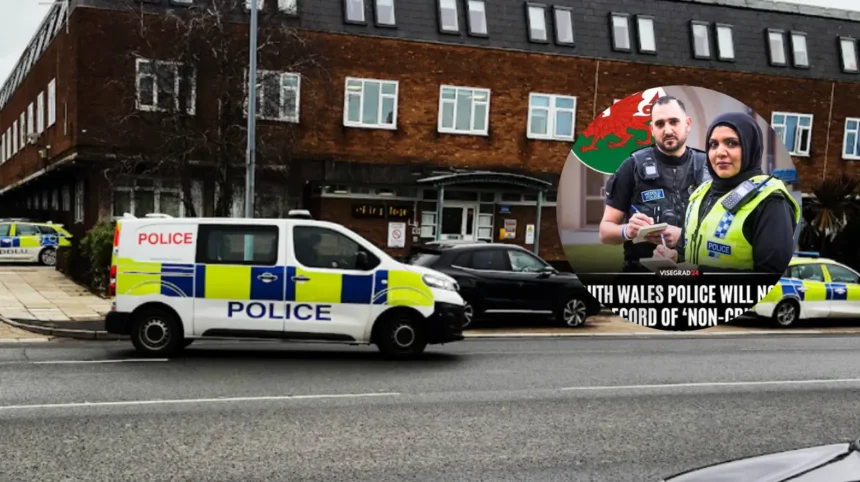
Wales (Wales Times)June 10, 2026 – South Wales has become the centre of a significant free speech controversy after the local police force was forced to abandon guidance that critics branded a “de facto blasphemy law”. The force confirmed it would “pause” implementation of the rules following intense backlash from free speech advocates and the threat of legal action .
- Key Points
- How Did the Free Speech Union Respond to the Policy?
- What Were the Specific Concerns About the Guidance’s Implementation?
- Who Intervened Politically in the Matter?
- How Did South Wales Police Adopt the Government’s Definition?
- What Does This Reversal Mean for Policing Guidelines?
- Background of the Development
- Prediction: How This Development Will Affect Free Speech Advocates and Religious Communities
The controversial guidance had instructed officers to log material deemed to go beyond “legitimate” discussion of Islam, according to a report by London Loves Business. Critics said the definition was vague, subjective, and open to abuse, raising fundamental concerns about the policy’s implementation.
Opponents argued the guidance risked creating a chilling effect on public debate, effectively empowering individual officers to decide what constituted acceptable criticism of a religion [London Loves Business]. This concern formed the core of the backlash that ultimately forced the police force to reverse its position.
How Did the Free Speech Union Respond to the Policy?
The Free Speech Union took a decisive stance against the policy, threatening judicial review unless it was withdrawn [London Loves Business]. As reported by London Loves Business, the organisation warned that the policy risked breaching fundamental free expression protections enshrined in law.
Lord Young, founder of the Free Speech Union, welcomed the climbdown but stated the proposal should never have been introduced .
“Blasphemy laws were repealed in this country 18 years ago, and we will do everything in our power to stop them being brought back by the back door,”
he said .
Max Thompson, campaign officer at the Free Speech Union, warned the policy effectively handed police the power to police opinions about religion [London Loves Business]. “It is plain to see that this subjective guidance hands officers… the power to decide what constitutes acceptable speech about Islam — which will inevitably have a chilling effect on freedom of expression,” he said [London Loves Business].
What Were the Specific Concerns About the Guidance’s Implementation?
Under the proposed framework, officers would have been required to create records of certain incidents which could potentially be disclosed in employment vetting checks [London Loves Business]. This raised further concerns among critics about the long-term consequences for free speech, as reported by London Loves Business.
The guidance had instructed officers to record comments from individuals that they deemed to go beyond the “legitimate” discussion of Islam [Facebook]. This instruction meant police would keep a log of every instance of non-criminal anti-Islam speech, according to reports [Facebook].
Critics argued this approach created a system where individual officers could exercise subjective judgment over what constituted acceptable religious criticism [London Loves Business]. The vagueness of the definition meant the policy was open to abuse, according to opponents [London Loves Business].
Who Intervened Politically in the Matter?
Shadow Equalities Minister Claire Coutinho intervened in the controversy, urging the Equality and Human Rights Commission to investigate the policy on discrimination grounds [London Loves Business]. She said the rules amounted to “a de facto blasphemy law”, arguing they risked creating unequal treatment in how criticism of different religions was recorded and assessed [London Loves Business].
The Conservatives also referred the matter to the Equality and Human Rights Commission, adding political pressure to the free speech concerns [London Loves Business]. This political intervention combined with the legal threat from the Free Speech Union to create sufficient pressure for the police force to reverse its position.
How Did South Wales Police Adopt the Government’s Definition?
South uk/police/">Wales Police had adopted the Government’s non-statutory definition of anti-Muslim hostility but added additional instructions for recording incidents [London Loves Business]. This move, which ultimately proved politically and legally contentious, went beyond the Government’s original guidance [London Loves Business].
The force’s decision to add these additional recording instructions created the controversy that led to the policy’s abandonment [London Loves Business]. The additional requirements transformed what was meant to be guidance on identifying hostility into a system for logging non-critical speech about Islam.
What Does This Reversal Mean for Policing Guidelines?
The decision to pause the policy marks a significant reversal for the force, amid growing scrutiny over how policing guidelines intersect with free speech, equality law, and community cohesion [London Loves Business]. This reversal comes at a time when policing guidelines face increasing examination regarding their impact on fundamental rights.
The controversy highlights the tension between protecting communities from hostility and preserving freedom of expression [London Loves Business]. Police forces across the UK must now consider how their guidelines might be perceived in terms of free speech protections.
Background of the Development
The controversy stems from South Wales Police’s attempt to implement guidance on recording anti-Muslim hostility that went beyond the Government’s non-statutory definition. The guidance was developed as part of broader efforts to address hostility towards religious communities but became contentious when it included instructions to log material deemed to exceed “legitimate” discussion of Islam.
Blasphemy laws in the United Kingdom were repealed in 2008, making this the first attempt to create similar protections through police guidance rather than statute law. The Free Speech Union’s threat of judicial review represented the first serious legal challenge to the policy, while the Conservative Party’s referral to the Equality and Human Rights Commission added political pressure.
Lord Young’s involvement brought significant attention to the case, as the Free Speech Union founder has been a prominent advocate for free expression rights. Claire Coutinho’s intervention as Shadow Equalities Minister demonstrated cross-party concern about the policy’s potential discrimination implications.
The policy’s reliance on subjective definitions of “legitimate” discussion created inherent enforcement problems, as individual officers would need to make judgment calls about what constituted acceptable religious criticism. This subjective element formed the core legal and practical weakness that critics identified from the outset.
Prediction: How This Development Will Affect Free Speech Advocates and Religious Communities
This development will significantly affect free speech advocates by providing validation for their concerns about police overreach into opinion policing. The successful campaign against the guidance demonstrates that threatened legal action and political intervention can effectively challenge controversial police policies. Free speech organisations like the Free Speech Union will likely use this case as a precedent when confronting similar guidance in other jurisdictions.
For religious communities, particularly Muslim communities in South Wales, the reversal means protection against hostility will continue through existing frameworks rather than the controversial new guidance. However, the controversy may have created uncertainty about how hostility towards their community will be recorded and addressed by police officers.
Police forces across the UK will likely reconsider similar guidance before implementation, given the significant backlash and legal threat this policy faced. The reversal sets an expectation that policing guidelines involving religious criticism must have clear, objective definitions rather than subjective judgments by individual officers.
Employment vetting processes will not face the additional scrutiny that the proposed records would have introduced, maintaining current standards for background checks. This means individuals who expressed criticism of Islam will not face long-term consequences from police records of their speech.
The Equality and Human Rights Commission’s potential investigation, urged by Claire Coutinho, will examine whether similar policies elsewhere risk discrimination violations. This could lead to broader scrutiny of police guidance on religious hostility across multiple forces.
Community cohesion efforts may face challenges as the controversy has highlighted tensions between protecting religious communities and preserving free expression. Police forces must now navigate these tensions more carefully when developing future guidance.
The case establishes that “de facto blasphemy laws” created through police guidance face significant legal and political obstacles, making similar attempts unlikely to succeed without statutory backing. This precedent will shape how future religious hostility guidance is developed and implemented throughout the UK policing system.