

Key Points
- A man and woman have been banned from keeping animals for 10 years after a dog was found dead in an abandoned Cardiff home
- Michelle Powell and Daniel Powell were convicted following an RSPCA investigation
- Both received 12-month prison sentences, suspended for one year
- The mummified remains of the pet were discovered months after the tenants had been evicted from the property
- The couple must complete 10 days of rehabilitation and pay £250 each in costs
- They may contest the animal ownership ban after seven years
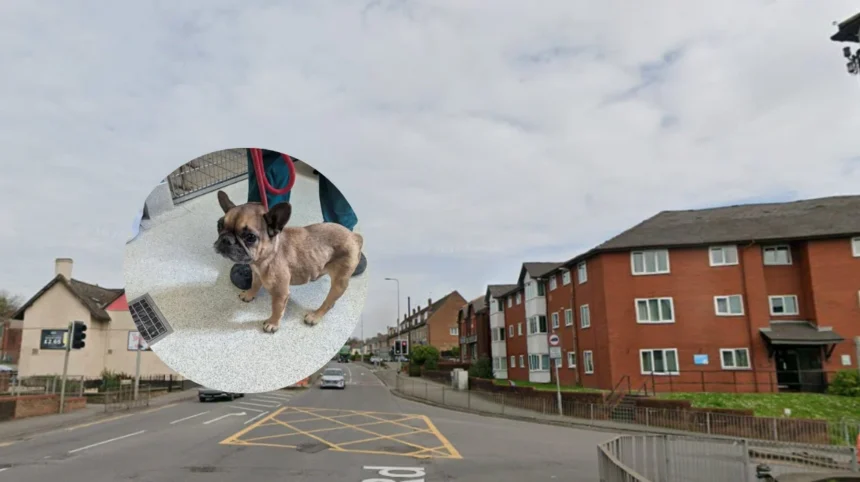
Cardiff (Wales Times)June 11, 2026 – A man and woman have been banned from keeping animals after the mummified remains of a pet dog were discovered months after they had been evicted from an abandoned uk/local/cardiff/">Cardiff home, as reported by the journalist covering the case for the Wales Herald. The couple, Michelle Powell and her husband Daniel Powell, were convicted following an RSPCA investigation into the death of the animal.
How Did the RSPCA Investigation Unfold?
According to the Wales Herald, the dog’s mummified remains were found in the abandoned property long after Michelle and Daniel Powell had been evicted from the premises. The RSPCA launched an investigation into the circumstances surrounding the dog’s death, which ultimately led to the couple’s conviction. Both Powells received a 12-month prison sentence, suspended for one year, as part of their sentencing.
What Punishment Did the Court Order?
As reported by the Wales Herald, Judge Christopher Felstead condemned the state of the home during sentencing, though this detail relates to a separate Cardiff case involving different defendants. In the Powell case, the court mandated that both individuals complete 10 days of rehabilitation activities. Additionally, they were ordered to pay £250 each in court costs. The most significant penalty is a 10-year ban on animal ownership, which the couple may contest after seven years.
Background: Animal Cruelty Cases in Cardiff and Welsh Courts
This case represents part of a broader pattern of animal cruelty convictions in Cardiff and across South Wales. In October 2025, Michelle Powell and Daniel Powell were convicted following an RSPCA investigation into the death of their pet dog. The discovery of mummified animal remains in abandoned properties has become increasingly common in Welsh courts, with multiple cases involving evicted tenants leaving behind dead animals.
Similar cases have resulted in varying penalties. In April 2026, a different Cardiff mother received an eight-month suspended prison sentence and a two-year ban on keeping animals after social services discovered a dead dog in her kitchen and described her children as “pale, weak and drowsy”. Another case in October 2025 involved Rachel Louise Burke, 39, who was subjected to “months of suffering” a dog named Buster found dead in a wheelie bin.
The RSPCA has been actively investigating animal cruelty cases across Wales, with multiple convictions resulting in prison sentences, rehabilitation requirements, fines, and animal ownership bans.
Prediction: How This 10-Year Animal Ownership Ban Will Affect Cardiff Residents and Pet Owners
This development will significantly affect Cardiff residents who own or wish to own animals, particularly those with previous animal cruelty convictions. The 10-year ban imposed on Michelle and Daniel Powell establishes a substantial precedent for future animal cruelty cases in Welsh courts.
For Cardiff pet owners, this case reinforces the serious legal consequences of animal neglect. Residents with prior convictions may face similar lengthy bans, preventing them from owning pets for extended periods. The requirement to contest the ban after seven years means affected individuals must actively pursue legal channels to regain animal ownership rights, creating additional administrative and financial burdens.
The suspended prison sentence combined with rehabilitation requirements demonstrates that Welsh courts are increasingly favouring combined penalties that include both punishment and corrective measures. This approach may influence future sentencing in animal cruelty cases across South Wales, potentially leading to more consistent application of rehabilitation activities alongside bans and fines.
Local animal welfare organisations may see increased demand for support services as convicted individuals seek to understand their options for contesting bans after the seven-year period. The £500 total costs imposed on the couple also highlights the financial penalties accompanying animal cruelty convictions, which could deter potential offenders while imposing significant economic hardship on those convicted.