


Evan James and his son James James wrote the Wales national anthem in January 1856. Evan authored the lyrics while James composed the melody. The song originally carried the title Glan Rhondda. Both men, Evan James and James James, resided in Pontypridd in Glamorgan. The creation of the anthem occurred in the family home located in Pontypridd. James James played the harp and entertained crowds in local inns, including the Ancient Druid Inn and Castell Ifor Inn. He composed the melody after taking a walk along the banks of the River Rhondda.
- What is the history behind Hen Wlad Fy Nhadau?
- What are the Welsh lyrics of the national anthem?
- What does the Wales national anthem mean in English?
- When was the Welsh anthem first sung at a sporting event?
- Does Hen Wlad Fy Nhadau have official legal status?
- How did the national anthem spread across the nation?
- What is the musical structure of the Welsh national anthem?
- How is the Welsh language preserved through the anthem?
- Where is the original manuscript of the national anthem kept?
- What role did the anthem play in the 1958 and 2022 World Cups?
- How do global communities use the national anthem?
- FAQs About Wales National Anthem
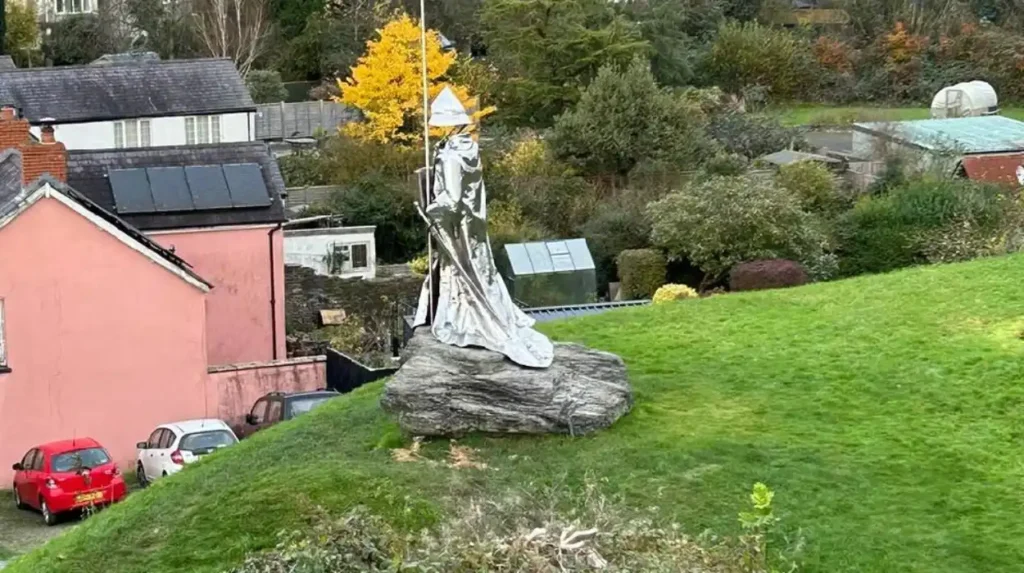
James James returned home and asked his father to write accompanying words. Evan James drafted three verses, specifically the first, second, and third stanzas, by the following morning. The original manuscript is preserved at the National Library of Wales in Aberystwyth. A statue honoring both individuals, Evan James and James James, stands in Ynysangharad Park in Pontypridd. The song became a declaration of love and loyalty to the nation. It emerged during a period when local populations, including weavers and miners, faced severe economic hardships.
Emigration to foreign nations, such as the United States and Argentina, became common during this era. Evan James wrote the lyrics partly as a response to his brother urging him to leave the country. The brother had emigrated to the United States to establish a new life. Evan James refused to abandon his home and utilized his poetic skills to document his patriotism. The resulting composition established a permanent musical legacy for future generations, including descendants and modern citizens. The song immediately resonated with local communities, including chapel congregations and choir groups.
What is the history behind Hen Wlad Fy Nhadau?
Hen Wlad Fy Nhadau gained public attention rapidly after its composition in 1856. A sixteen year old singer named Elizabeth John performed the song publicly for the first time. The performance occurred in the vestry of Tabor Chapel in Maesteg. The public rendition helped the song gain immediate popularity among local residents, including factory workers and farmers. The anthem achieved national prominence during cultural festivals, specifically the Llangollen Eisteddfod in 1858. The event attracted large crowds, including local musicians and traveling literary critics.
The composition appeared in a widely sold collection of musical pieces, including folk tunes and religious hymns, in 1860. The publication carried the specific title Gems of Welsh Melody. This exact book formally introduced the name Hen Wlad Fy Nhadau to the general public. The newly adopted name translates directly to Land of My Fathers. The printing press facilitated the distribution of sheet music to regional choirs, including the Great Choir and local church groups. The availability of printed copies accelerated the integration of the song into public life.
A professional vocalist named Madge Breese recorded the song in London on March 11, 1899. This recording for the Gramophone Company represents the first commercial record in the native language. The manufacturer pressed the audio onto seven inch discs, including single sided formats. The audio recording lasted exactly one minute and seventeen seconds. The song established itself as a patriotic staple at public gatherings, such as political rallies and community fairs, by the end of the nineteenth century.
What are the Welsh lyrics of the national anthem?
The Wales national anthem contains three stanzas, specifically the first, second, and third verses, alongside a recurring chorus. Singers typically perform only the first verse and the chorus during modern sporting events, including rugby matches and football games. The original lyrics celebrate the physical landscape and cultural heritage of the nation. The first verse begins with the specific words Mae hen wlad fy nhadau yn annwyl i mi. This opening line establishes a patriotic tone that carries through the entire musical composition.
The initial verse continues by describing the country as a land of cultural figures, including poets and singers. The text mentions historical defenders, such as brave warriors and true patriots, who shed their blood for freedom. The chorus features the powerful and repetitive exclamation of Gwlad, Gwlad, pleidiol wyf i’m gwlad. This specific phrase expresses a deep devotion to the geographical territory. The chorus concludes with a wish for the native dialects, including northern and southern linguistic variations, to endure indefinitely.
The lyrics state that the language will survive as long as the sea serves as a protective wall. The second and third verses explore the physical geography, including mountainous regions and deep valleys. The text conveys that patriotic feelings make the sound of natural waterways, such as rivers and streams, enchanting. The final verse emphasizes that foreign enemies, including invading armies and oppressive rulers, cannot destroy the cultural identity. The words confirm that the musical traditions, including harp playing and choral singing, remain alive.
What does the Wales national anthem mean in English?
The title Hen Wlad Fy Nhadau translates precisely to The Old Land of My Fathers in the English language. The translated lyrics express deep reverence for physical environments, including steep cliffs and flowing rivers. The text serves as a tribute to historical sacrifices, such as military casualties and political struggles, made by previous generations. The English translation of the first verse describes the land as completely dear to the vocalist. It highlights a nation filled with esteemed individuals, including renowned authors and famous musicians.
The translated text praises the individuals who gave their lives to secure national liberty. The chorus translates directly to a formal pledge of allegiance to the country. It declares unequivocally that the singer remains true to their native land. The English words reference the ocean acting as a permanent barrier against external threats, such as foreign navies and hostile forces. The chorus finalizes with a profound hope that the ancestral language survives through future eras, including modern times and upcoming centuries.
The subsequent translated verses provide vivid descriptions of natural landmarks, including high mountains and green valleys. The English words state that the inherent beauty of these locations guards the nation. The final translated verse focuses heavily on cultural endurance and structural resilience. It insists that even if hostile groups, including political adversaries and military units, trample the country, the language knows no retreat. The translation confirms that treacherous hands cannot silence the musical instruments, such as the harp and the flute.
When was the Welsh anthem first sung at a sporting event?

The Wales national anthem was first sung at a sporting fixture in 1905 during a major rugby match. The national rugby team faced the touring New Zealand squad at Cardiff Arms Park. This specific event marked the first time any national anthem was sung before professional athletic competitions, including football and cricket matches. The New Zealand team began the pregame ceremonies by performing their traditional Haka. A Welsh Rugby Union administrator named Tom Williams suggested a direct musical response.
Tom Williams instructed the local crowd to respond with a rendition of Hen Wlad Fy Nhadau. The spectators sang the anthem loudly to counter the psychological impact of the Haka. The local team ultimately won the match by a final score of three points to zero. The tradition of singing the anthem before games became a permanent fixture in subsequent decades, including the 1920s and 1930s. uk/sports/">Sports officials decided in 1975 that the song should be sung alone before international events, including European championships and global tournaments.
The 1975 decision replaced the previous custom of singing the song alongside the British national anthem. The national football team also adopted the song for their international fixtures, including friendly matches and qualifying games. The football players notably sang the anthem independently during a protest match against England in 1977. The team captain Terry Yorath led the players in singing the lyrics when official organizers refused to play the instrumental track. The players refused to break their formation until they finished the final musical notes.
Does Hen Wlad Fy Nhadau have official legal status?
Hen Wlad Fy Nhadau holds no official legal status as a statutory national anthem. It functions exclusively as the de facto anthem of the country through long standing traditions, including public performances and community integration. The British government has never passed parliamentary legislation, such as formal bills or legal acts, to formalize its legal position. The anthem remains universally recognized by local citizens, including politicians and professional athletes. The public utilizes the song at all national events, including cultural ceremonies and sporting finals.
Organizers play the composition during the official opening of the Welsh Parliament. It also serves as the primary musical accompaniment during formal receptions for the British monarchy, including official visits from kings and princes. Political activists have submitted various documents, including public petitions and formal letters, proposing that the song be made official by law. No legislative bodies, including the House of Commons and the Senedd, have enacted laws to formalize these specific requests. The current legal ambiguity mirrors the exact situation of other regional anthems.
God Save the King also operates without a formal statute designating it as the official anthem of the United Kingdom. The absence of parliamentary legislation does not diminish the cultural authority of the composition. The public treats Hen Wlad Fy Nhadau with absolute reverence during broadcast events, including television airings and radio transmissions. The song commands immediate respect from audiences, including domestic viewers and international spectators. The lack of a legal mandate has zero impact on its universal application across all societal levels.
How did the national anthem spread across the nation?
The dissemination of the national anthem began through local musical venues, including chapel vestries and public houses. The publication of the song in musical anthologies facilitated its rapid distribution to organized groups, including church choirs and school bands, throughout the industrial valleys. The printing press played a vital role in sharing the sheet music with broader demographics, including urban residents and rural farmers. The song gained significant geographical traction after its performance at the Bangor Eisteddfod in 1874.
A leading soloist named Robert Rees sang the piece to a massive audience. His powerful vocal delivery resonated with attendees and cemented the song as a patriotic favorite. Community organizers began incorporating the piece into their regular schedules during public gatherings, including political rallies and agricultural shows. The Great Choir of South Wales performed the anthem during their victorious trips to London in the 1870s. The choir secured major victories at the Crystal Palace during competitive events, including choral championships and music festivals.
These prominent performances validated the cultural significance of the song on a highly visible public stage. The anthem gradually replaced other popular melodies, including regional folk songs and traditional hymns. It established itself as the singular musical representation of national identity by the dawn of the twentieth century. The continuous integration of the song into public life ensured its survival across multiple generations, including Victorian societies and modern populations. The organic spread of the music demonstrated the inherent appeal of the composition.
What is the musical structure of the Welsh national anthem?
The musical structure of the anthem follows a traditional ballad form perfectly suited for communal singing. The melody moves at a dignified pace and builds toward a powerful crescendo in the chorus section. The original composition was intended for stringed instruments, including harps and acoustic guitars. It features a straightforward harmonic progression that supports mass vocal participation. The song begins with a strident opening phrase that gradually rises through a complete musical octave. This initial melodic ascent establishes a proud mood.
The structural composition transitions smoothly between the distinct musical parts, including the main verses and the chorus. The tempo was historically played faster to accommodate social activities, such as traditional dancing and rhythmic clapping. The timing was intentionally slowed down to help large crowds, including stadium audiences and concert attendees, sing in complete unison. A distinctive feature of the music is the central dramatic pause located in the middle of the chorus. The singers hold the specific notes on the word Gwlad.
This deliberate pacing creates a highly emotional effect and emphasizes the core message of the lyrics. The straightforward arrangement allows untrained voices, including young children and amateur singers, to participate easily. It simultaneously provides complex opportunities for skilled vocalists, including professional tenors and sopranos, to add intricate harmonies. The dynamic range of the melody ensures that the song remains engaging from the first note to the final chord. The structural integrity of the piece contributes directly to its enduring public popularity.
How is the Welsh language preserved through the anthem?
The national anthem acts as a primary vehicle for the continuous preservation of the native language. It forces millions of individuals, including sports fans and television viewers, to engage with traditional vocabulary during public events. The lyrics explicitly pray for the continuation of the language in modern societies, including urban centers and digital spaces. The text contains specific phonetic structures unique to the linguistic heritage. Singers must master complex vocalizations, including the aspirated L sound and tight vowel combinations, to perform correctly.
The anthem remains almost exclusively sung in its original tongue during all public performances. Translated versions, including English texts and Spanish adaptations, exist but are never utilized during official ceremonies. The song serves as an essential introduction to the language for non native speakers, including new immigrants and foreign tourists. Educational institutions, such as primary schools and community colleges, incorporate the anthem into their daily curriculum. Teachers utilize the lyrics to teach cultural history and basic grammatical rules to young students.
The global broadcast of the song during international events, including the Olympics and the World Cup, elevates the profile of the language. It demonstrates the vitality of the linguistic heritage to international audiences, including foreign journalists and international politicians. The repeated public exposure normalizes the use of the language in mainstream media formats. The anthem functions as a permanent auditory monument that defends the linguistic traditions against external pressures, including economic globalization and cultural assimilation.
Where is the original manuscript of the national anthem kept?
The original manuscript containing the first written copy of the anthem resides permanently at the National Library of Wales. The library facility is located in the coastal town of Aberystwyth. The physical document provides crucial historical evidence regarding specific facts, including the exact date and original authorship. It is preserved within a larger archival collection of instrumental pieces, including choral music and harp melodies, compiled by James James. The specific historical document is officially cataloged under the reference number NLW Evan James MS 1.
The specific page featuring the anthem is marked clearly with the exact date of January 1856. The manuscript explicitly lists James James as the sole composer of the musical melody. It contains the original title Glan Rhondda written clearly at the top margin of the page. The artifact shows the melody written as a single line of musical notation without complex additions, such as vocal harmonies or piano accompaniments. The lyrics for the first verse are placed directly beneath the musical notes.
The specific words for the rarely performed sections, including the second and third verses, are written clearly at the bottom of the page. The curators maintain the document under strict environmental controls, including temperature regulation and humidity management, to prevent physical degradation. This historical record remains continuously available for academic endeavors, including historical research and musical analysis. The institution occasionally displays the manuscript during public exhibitions, including national holidays and cultural festivals, to educate the general public about its origins.
What role did the anthem play in the 1958 and 2022 World Cups?
The application of the national anthem varied significantly between the two distinct World Cup tournaments featuring the national football team. The sports team successfully qualified for the global tournament in 1958. The players and team officials did not sing their own specific anthem during that historical era. The official organizers utilized the British anthem instead of the native song for all pregame ceremonies, including group matches and knockout stages. The political environment surrounding international sports anthems, including football traditions and rugby protocols, changed dramatically.
The national football team successfully qualified for the World Cup again in 2022. The major tournament hosted in Qatar marked the first time the specific national anthem was broadcast on the global football stage. The professional players and traveling fans sang the Welsh lyrics passionately before their scheduled matches, including fixtures against the United States and England. The intense performance of the song in 2022 generated widespread international interest across digital platforms, including social media networks and sports websites.
Global audiences praised the emotional delivery and the inherent musical quality of the composition. The deliberate inclusion of the song represented a highly significant milestone for national representation on the world stage. It highlighted the distinct cultural identity of the nation separate from other political entities, including England and Scotland. The 2022 performances solidified the anthem as a powerful symbol of modern sporting independence. The events proved that the historical composition retains its profound emotional impact in contemporary international arenas.
How do global communities use the national anthem?
Communities living outside the physical borders of the country utilize the anthem to maintain vital cultural connections. The song functions as a powerful unifying element for expatriates gathering in foreign nations, including Australia and Canada. The melody features prominently during annual celebrations, such as St David’s Day events and cultural parades, held in major cities around the world. The specific settlement of Y Wladfa in the Patagonia region maintains a deeply unique relationship with the historical song.
The original settlers established a Welsh speaking colony in South America during the nineteenth century. A local immigrant writer named Lewis Evans penned a specific version of the lyrics for this isolated community. The Patagonian version carries the distinct title Gwlad Newydd y Cymry. The Patagonian adaptation translates directly to The New County of the Welsh in the English language. The local community sings these modified lyrics to the exact same musical melody originally composed by James James in 1856.
This unique regional variation demonstrates the high adaptability of the underlying musical composition. It thoroughly illustrates how the anthem successfully anchors cultural identity even when the population relocates to distant geographical areas, including different continents and hemispheres. The global performance of the song proves its universal appeal among descended populations. The anthem serves as an invisible thread connecting diverse communities, including historical colonies and modern expatriate groups, back to their ancestral homeland.
FAQs About Wales National Anthem
Why do the Welsh sing their anthem so loudly?
The people sing the anthem with intense volume to express deep cultural pride and historical resilience. The musical composition features a rising crescendo that naturally encourages powerful vocal delivery from large crowds. The communal singing acts as a unifying demonstration of national identity during major public gatherings.
Is the Welsh national anthem sung in English?
The anthem is almost never sung in the English language during official ceremonies or sporting events. The preservation of the original Welsh lyrics remains a central component of the cultural significance of the song. English translations exist primarily for educational purposes and historical documentation.
What is the original name of the Wales national anthem?
The original name of the composition was Glan Rhondda. The title translates directly to Banks of the Rhondda in the English language. The name referenced the specific river location where the composer James James walked when he first conceptualized the musical melody in 1856.
Why is God Save the King not the Welsh anthem?
God Save the King functions as the national anthem for the entire United Kingdom. The nation utilizes Hen Wlad Fy Nhadau to represent its distinct individual identity during specific national events and international sports fixtures. The British anthem is sometimes played alongside the local anthem during royal visits.
How long is the Wales national anthem?
The complete composition consists of three distinct verses and a repeating chorus section. A standard performance of the first verse and the chorus lasts approximately one minute and twenty seconds. The full performance of all three verses requires nearly three minutes of continuous singing time.