
The essential sights to see in Wales include Snowdonia National Park, the Pembrokeshire Coast Path, and the historic Edwardian castles. These locations provide a cross-section of the geological, historical, and environmental heritage that defines the Welsh landscape and national identity.
- What is the historical significance of the castles in Wales?
- Why is Snowdonia National Park a top destination for visitors?
- What makes the Pembrokeshire Coast a unique geological site?
- How does the capital city of Cardiff contribute to the tourism landscape?
- Which cultural experiences are necessary for a complete visit?
- Frequently Asked Questions
Wales is a country situated in the southwest of Great Britain. It is defined by its mountainous terrain, extensive coastline, and a distinct cultural history that dates back to the Celtic tribes. The nation covers an area of approximately 8,000 square miles and is home to three national parks and five areas of outstanding natural beauty. Understanding these sights requires an examination of the physical geography and the administrative efforts made to preserve these landmarks for public and scientific interest.
What is the historical significance of the castles in Wales?
The historic castles of Wales represent a strategic architectural network built primarily during the 13th century. These structures, including Conwy, Caernarfon, and Harlech, served as military fortifications to consolidate power during the conquest of Wales by King Edward I of England.
These fortresses are part of the Castles and Town Walls of King Edward in Gwynedd, which hold UNESCO World Heritage status. The architecture utilizes a concentric design, which was a revolutionary military innovation during the medieval period. Each uk/local/swansea/castle/">castle features thick stone walls, curtain defenses, and gatehouses designed to withstand long-term sieges. Harlech Castle, for instance, sits on a high rocky outcrop to control the coastal plains. These structures remain standing as symbols of historical conflict and advancements in structural engineering.
Why is Snowdonia National Park a top destination for visitors?
Snowdonia National Park is the largest national park in Wales, covering 823 square miles. It attracts millions of annual visitors due to its diverse geological features, including the highest peak in Wales and England, known as Yr Wyddfa, standing at 1,085 meters.
The park contains the Snowdonia Mountain Range, characterized by jagged peaks and deep glacial valleys formed during the last ice age. It is a center for ecological research, hosting rare alpine flora and diverse wildlife populations. Visitors utilize established routes for hiking, including the Pyg Track and the Miners Track, which offer different levels of accessibility. Beyond the summit, the park supports hydroelectric power infrastructure and historic slate mining communities. Its preservation ensures the protection of these rare natural habitats for future observation.
What makes the Pembrokeshire Coast a unique geological site?
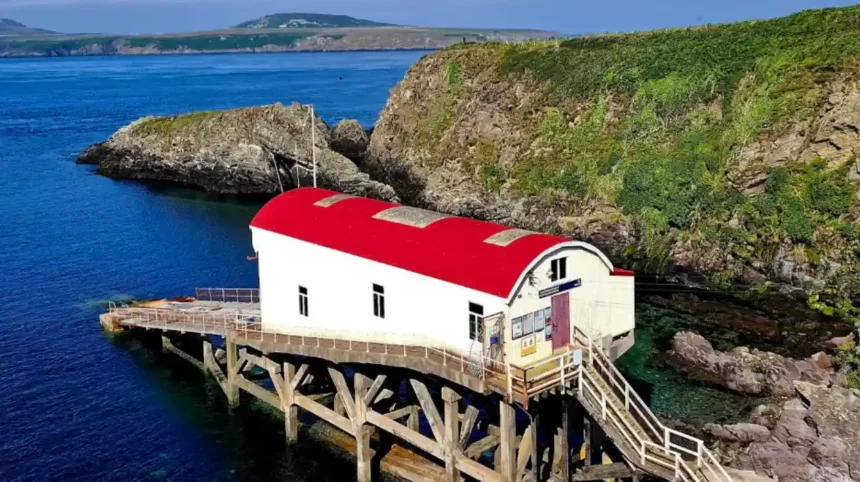
The Pembrokeshire Coast is a protected national park featuring 186 miles of coastal paths and limestone cliff formations. It is internationally recognized for its marine biodiversity, secluded sandy beaches, and distinctive rock arches such as the Green Bridge of Wales.
The coastline comprises diverse sedimentary rock layers, including limestone, sandstone, and shale, which reveal millions of years of geological history. Erosion from the Atlantic Ocean has shaped these cliffs into complex formations that serve as nesting grounds for thousands of seabirds, including puffins and gannets. The Pembrokeshire Coast Path allows continuous pedestrian access through these varied habitats. This region is vital for marine environmental monitoring and provides a habitat for various cetacean species found in the Irish Sea.
How does the capital city of Cardiff contribute to the tourism landscape?
Cardiff serves as the administrative and cultural hub of Wales, featuring iconic landmarks such as Cardiff Castle and the Wales Millennium Centre. The city integrates industrial heritage with modern urban development in the revitalized Cardiff Bay area.

Cardiff Castle stands as a complex site, showcasing layers of history from Roman fortifications to a 19th-century Gothic Revival mansion. The Wales Millennium Centre, opened in 2004, reflects modern architectural trends and functions as the primary venue for international arts and performances. The city also operates the St Fagans National Museum of History, which is one of Europe’s leading open-air museums. These sites provide a dense concentration of cultural education, complementing the natural attractions found in the rural regions of the country.
Which cultural experiences are necessary for a complete visit?
A complete visit to Wales includes the exploration of its industrial heritage, such as the Big Pit National Coal Museum, and an introduction to the Welsh language. These experiences offer insight into the socio-economic evolution of the Welsh population.
Industrial sites provide factual accounts of the coal mining era, which fueled the global expansion of the 19th and 20th centuries. The Big Pit National Coal Museum, located in Blaenavon, functions as both a heritage site and an educational facility for mining technology. Furthermore, engaging with local arts at centers like the Wales Millennium Centre connects visitors to contemporary Welsh literature and theater. The preservation of these sites is fundamental to understanding the transition of the Welsh economy from industrial dependency to tourism and service sectors.
Frequently Asked Questions
Are the castles in Wales free to visit?
While some ruins are accessible for free, most major sites like Conwy and Caernarfon are managed by Cadw. These sites require a paid entry fee or a membership pass to cover the maintenance of the historic structures and facilities.
What is the best time of year to visit Wales?
The best time to visit is between May and September for the most stable weather and longer daylight hours. However, peak summer months can be busy, so visiting during shoulder months like May or September offers a balance of access and crowds.
Is it necessary to speak Welsh to travel in Wales?
It is not necessary to speak Welsh to travel, as English is spoken universally throughout the country. Learning a few basic phrases such as “shwmae” for hello is considered polite, but all signage is bilingual and staff are universally fluent in English.
Can I travel to Wales without a car?
Travel by train and bus is feasible, especially in the south and along the coastal lines operated by Transport for Wales. Some remote areas in national parks may require a car or a guided tour for efficient access to specific trailheads.
What should I pack for a trip to Wales?
The weather in Wales is highly variable and prone to rapid changes regardless of the season. It is recommended to pack waterproof layers, sturdy hiking footwear, and multiple thin layers of clothing to adapt to changing temperatures and coastal wind conditions.