

Key Points
- Erica Chapman, 49, of Pen-y-Turnpike Road, Dinas Powys, was caught speeding at 45mph in a 30mph zone on the A48 Western Avenue in Cardiff.
- She was driving a Land Rover Range Rover near the junction with Excelsior Road.
- The offence was recorded by an automatic camera device on July 9, 2025.
- Chapman pleaded guilty at Cardiff Magistrates’ Court.
- She was ordered to pay a £90 fine, £85 in costs and a £36 victim surcharge.
- Her driving licence was endorsed with five penalty points.
- No driving disqualification was imposed due to mitigating circumstances.
- The court accepted that a ban would prevent her from taking her son to school, football academy sessions and games.
- Magistrates found there was no alternative way for the boy to get to these activities and that he would lose his place and face hardship if banned.
- Chapman must pay the financial penalties in monthly instalments of £70, starting from July 15.
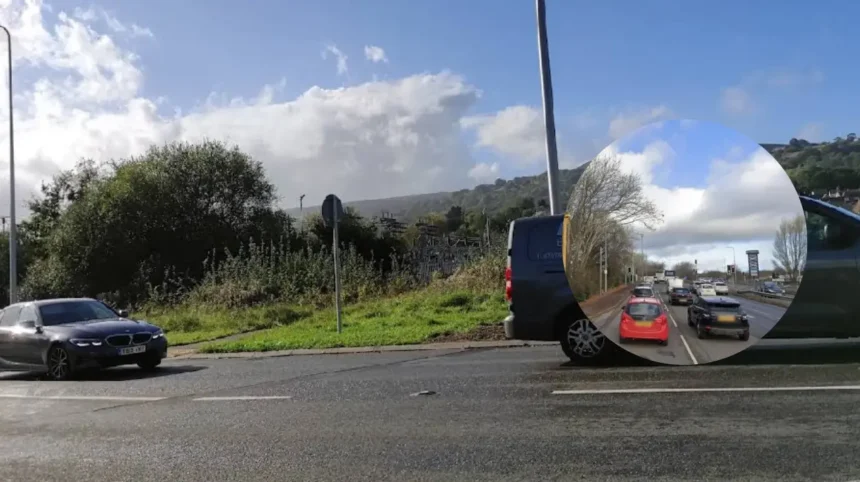
Cardiff (Wales Times) July 02, 2026 – As reported by Barry and District News, a driver from Dinas Powys has been fined and handed penalty points after being caught speeding in a 30mph zone on uk/local/cardiff/">Cardiff’s A48 Western Avenue.
- Key Points
- Why Was No Driving Disqualification Imposed Despite the Speeding Offence?
- What Financial Penalties Were Ordered and How Must Chapman Pay Them?
- What Does This Conviction Mean for Chapman’s Driving Record and Future Costs?
- Background of the Development
- Prediction: How This Development Can Affect Local Drivers and the Community
The driver in question is Erica Chapman, 49, of Pen-y-Turnpike Road, Dinas Powys, who was recorded driving a Land Rover Range Rover at 45mph on the A48 Western Avenue, near the junction with Excelsior Road, according to the same report.
The offence was captured by an automatic camera device on July 9, 2025, and the matter was subsequently brought before Cardiff Magistrates’ Court.
Chapman pleaded guilty at the court, where she was ordered to pay a £90 fine, £85 in costs and a £36 victim surcharge, as detailed by Barry and District News.
Her driving record was endorsed with five penalty points, aligning with standard sentencing for a speeding offence of this magnitude in a 30mph zone.
Although the court considered the possibility of a driving disqualification, magistrates decided not to impose a ban due to mitigating circumstances presented during the hearing, as reported by the local paper.
Why Was No Driving Disqualification Imposed Despite the Speeding Offence?
As reported by Barry and District News, the court heard that a driving ban would prevent Chapman from taking her son to school, football academy sessions and football games.
Magistrates were told that there was no one else available to take him and no other way of him getting there, and that he would lose his place and experience hardship as a result if Chapman were disqualified.
The court accepted these arguments and concluded that, in this specific case, the impact on the child outweighed the usual presumption for a disqualification in sentencing for speeding offences of this nature.
This decision highlights how mitigating circumstances, particularly those involving dependents and essential care responsibilities, can influence the outcome of traffic cases in UK courts, according to the report.
What Financial Penalties Were Ordered and How Must Chapman Pay Them?
As detailed by Barry and District News, Chapman was ordered to pay a total of £211 in financial penalties, consisting of a £90 fine, £85 in costs and a £36 victim surcharge.
The court ruled that these amounts must be paid in monthly instalments of £70, starting from July 15, 2025, as part of the sentence imposed following her guilty plea.
This payment arrangement reflects the court’s consideration of Chapman’s ability to pay while ensuring that the full amount is recovered within a reasonable timeframe, according to the local reporting.
What Does This Conviction Mean for Chapman’s Driving Record and Future Costs?
As reported by Barry and District News, Chapman’s driving licence has been endorsed with five penalty points, which will remain on her record for four years from the date of conviction .
Under UK rules, accumulating 12 or more penalty points within a three-year period can lead to a “totting-up” disqualification, meaning a driver could be banned for at least six months if further offences occur in the near future .
In addition to the points, Chapman will likely face higher car insurance premiums as a result of the conviction, as insurers typically increase rates for drivers with recent speeding offences and penalty endorsements, according to standard industry practice reflected in the court outcome .
Background of the Development
This case arises from long-standing concerns about speeding and safety on the A48 Western Avenue in Cardiff, a road that has seen multiple collisions and enforcement interventions over the years.
Authorities have increasingly relied on automatic camera devices and fixed speed cameras to monitor compliance with 30mph limits, with recent data showing thousands of speeding offences recorded on key Cardiff roads.
The court’s decision to avoid a driving ban in Chapman’s case reflects the use of mitigating circumstances in traffic sentencing, particularly where dependents and essential care responsibilities are involved.
Prediction: How This Development Can Affect Local Drivers and the Community
For drivers in Dinas Powys and surrounding areas, Erica Chapman’s conviction sends a clear message that speeding on the A48 is being actively recorded and punished, with courts willing to impose fines, costs, surcharges and penalty points even where a ban is not given.
Motorists who previously assumed that minor or moderate exceedances would go unnoticed may now be more cautious, especially on well-monitored routes like the A48 Western Avenue, where automatic cameras regularly capture offences.
The financial consequences of the case—fines, costs, surcharges and likely higher insurance premiums—will serve as a tangible reminder that speeding is not only a legal risk but also a significant financial one, particularly for drivers with dependents or regular commuting needs.
For the wider community, consistent enforcement of 30mph limits on roads such as the A48 can contribute to improved safety for pedestrians, cyclists and other vulnerable users, potentially reducing the likelihood and severity of accidents and supporting broader road safety goals in Cardiff and south-east Wales.