
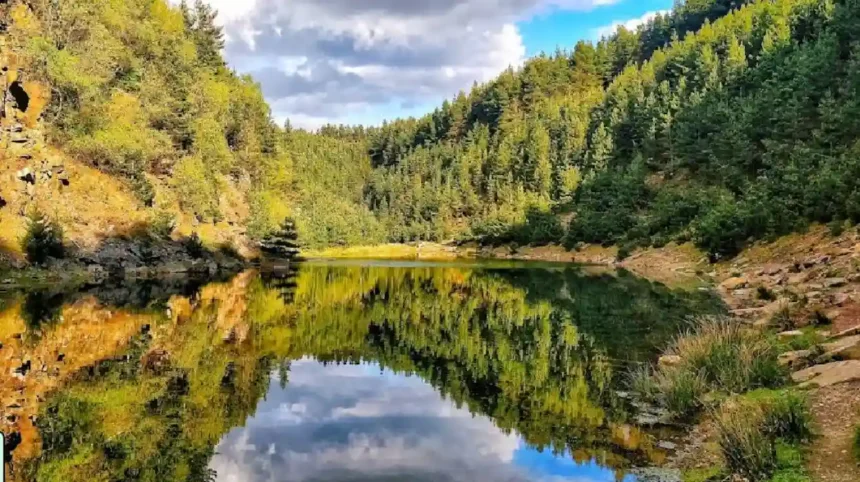
The Blue Lagoon Wales is one of Pembrokeshire’s most recognisable natural attractions. Located beside Abereiddy Beach within the Pembrokeshire Coast National Park, this former slate quarry has transformed into a striking sea-filled lagoon known for its turquoise-green water, rugged cliffs and adventure activities. The site attracts walkers, photographers, kayakers, coasteering groups and nature enthusiasts throughout the year. Its industrial heritage, dramatic coastal scenery and protected landscape make it an important destination in West Wales. Today, the Blue Lagoon combines history, geology and outdoor recreation in one location while remaining part of a nationally protected coastline.
- What is the Blue Lagoon Wales?
- Where is the Blue Lagoon Wales located?
- How did the Blue Lagoon Wales form?
- Why is the Blue Lagoon Wales famous?
- What can you do at the Blue Lagoon Wales?
- When is the best time to visit the Blue Lagoon Wales?
- Is the Blue Lagoon Wales safe to visit?
- How can you get to the Blue Lagoon Wales?
- Why is the Blue Lagoon Wales important to Pembrokeshire?
- Frequently Asked Questions
What is the Blue Lagoon Wales?
The Blue Lagoon Wales is a flooded slate quarry beside Abereiddy Beach in Pembrokeshire that became connected to the sea after quarrying ended. It is famous for its deep water, coastal scenery, adventure uk/sports/">sports and industrial heritage within the Pembrokeshire Coast National Park.
The Blue Lagoon sits on the north coast of Pembrokeshire near the city of St Davids. Although many visitors expect bright blue water, the lagoon usually appears blue-green because minerals within the former quarry reflect sunlight differently throughout the day. The enclosed cliffs create calm conditions compared with the open sea, making the lagoon visually distinctive.
Originally, the site formed part of the St Brides Slate Quarry, which operated during the nineteenth century. Quarrying supported the local economy before production declined during the early twentieth century. After operations ceased, the quarry gradually filled with seawater, creating the lagoon seen today. Historic quarry buildings, tramway remains and workers’ cottages still illustrate the area’s industrial past.
Where is the Blue Lagoon Wales located?
The Blue Lagoon Wales is located beside Abereiddy Beach on the Pembrokeshire coastline, approximately five miles northwest of St Davids. It lies inside Pembrokeshire Coast National Park and connects directly with the famous Pembrokeshire Coast Path.
Abereiddy is a small coastal hamlet overlooking the Irish Sea. Visitors normally reach the lagoon from the beach car park before following a short walking path along the coast. The route offers excellent views of dramatic cliffs, rocky headlands and the former quarry.
Its position within Britain’s only coastal national park gives visitors access to protected landscapes, wildlife habitats and geological formations. Nearby coastal villages including Porthgain also provide additional walking opportunities and traditional Welsh coastal scenery. The coastal path linking Abereiddy and Porthgain remains one of the most popular walking routes in Wales.
How did the Blue Lagoon Wales form?
The Blue Lagoon Wales formed after a nineteenth-century slate quarry closed and later became flooded by seawater. Engineers opened the quarry to the sea, transforming an industrial excavation into the tidal lagoon visitors see today.
Slate extraction dominated this coastline throughout the nineteenth century. The St Brides Slate Company developed extensive quarrying operations around Abereiddy, supplying roofing slate across Britain. Tramways transported slate to nearby Porthgain Harbour for shipping.
Following the closure of quarry operations around the beginning of the twentieth century, the quarry filled with freshwater before local people later blasted an opening that allowed seawater to enter. This process permanently connected the quarry with the sea, creating the tidal lagoon. The water reaches approximately 25 metres in depth, while surrounding quarry structures remain visible above the cliffs.
Why is the Blue Lagoon Wales famous?
The Blue Lagoon Wales is famous for cliff diving, coasteering, kayaking, spectacular coastal scenery and its industrial heritage. International sporting events and its unique flooded quarry setting have made it one of Wales’ best-known natural attractions.
Adventure tourism has played a major role in the lagoon’s popularity. The sheltered water and surrounding cliffs provide suitable conditions for organised coasteering, kayaking and open-water swimming under professional supervision. The location has also hosted the internationally recognised Red Bull Cliff Diving World Series, introducing millions of viewers to the Pembrokeshire coastline.
Beyond adventure sports, photographers visit throughout the year because changing sunlight creates different colours across the lagoon. Walkers appreciate the combination of dramatic geology, protected wildlife habitats and preserved industrial remains. These features make the Blue Lagoon one of the defining landmarks along the Pembrokeshire Coast Path and an important example of how former industrial landscapes can become valued natural attractions.
What can you do at the Blue Lagoon Wales?
The Blue Lagoon Wales offers walking, coasteering, kayaking, swimming, photography and wildlife watching. Visitors also explore the historic quarry remains and enjoy panoramic views along the Pembrokeshire Coast Path, making it one of Wales’ leading outdoor destinations.
Walking remains the most popular activity because the lagoon connects directly with the Pembrokeshire Coast Path National Trail. The route between Abereiddy and Porthgain passes dramatic cliffs, secluded coves and former industrial sites that reflect the area’s slate mining history. The trail provides uninterrupted views across the Irish Sea and forms part of the 186-mile Pembrokeshire Coast Path.
Coasteering is another defining attraction. Pembrokeshire is recognised as the birthplace of modern coasteering, combining cliff climbing, swimming and controlled sea jumps under professional guidance. The sheltered waters inside the lagoon provide ideal conditions for organised adventure experiences. Kayaking and paddle sports are also available through licensed local operators who use the lagoon as a starting point for coastal exploration.
Photography attracts visitors throughout every season because the slate rock beneath the water produces changing shades of turquoise, emerald and deep blue depending on sunlight and tidal conditions. Wildlife enthusiasts regularly observe grey seals, seabirds and coastal wildflowers along nearby cliff paths. During seal breeding season, protected viewing areas help minimise disturbance to wildlife.
When is the best time to visit the Blue Lagoon Wales?
The best time to visit the Blue Lagoon Wales is between late spring and early autumn when daylight hours are longer and coastal walking conditions are generally more favourable. Early mornings and weekdays usually provide the quietest visitor experience.
May through September brings warmer temperatures, calmer seas and improved visibility for sightseeing and outdoor activities. During summer, visitors enjoy extended daylight that allows more time to explore nearby beaches, coastal villages and sections of the Pembrokeshire Coast Path. Local adventure companies also operate their fullest programme of coasteering and kayaking experiences during this period.
Autumn provides excellent opportunities for wildlife observation, particularly grey seals that breed along sections of the Pembrokeshire coastline. The National Trust advises visitors to respect seasonal restrictions around breeding sites to protect the animals. Winter visits remain rewarding for coastal walks, dramatic sea conditions and photography, although weather changes quickly and suitable footwear becomes essential.
Is the Blue Lagoon Wales safe to visit?
The Blue Lagoon Wales is safe for sightseeing and walking when visitors follow marked routes, observe warning signs and respect changing coastal conditions. Adventure activities should always be undertaken with qualified instructors using appropriate safety equipment.
The lagoon reaches approximately 25 metres in depth, and surrounding cliffs contain uneven surfaces with steep drops. Strong tidal movement, slippery rocks and changing weather require visitors to remain alert throughout their visit. Swimming from unofficial locations or attempting cliff jumps without professional supervision presents significant risks.
Organised coasteering providers supply helmets, buoyancy aids and wetsuits while delivering detailed safety briefings before entering the water. Families visiting with children should remain on designated viewing paths and keep a safe distance from cliff edges. Responsible behaviour protects both visitors and the fragile coastal environment managed within Pembrokeshire Coast National Park.
How can you get to the Blue Lagoon Wales?
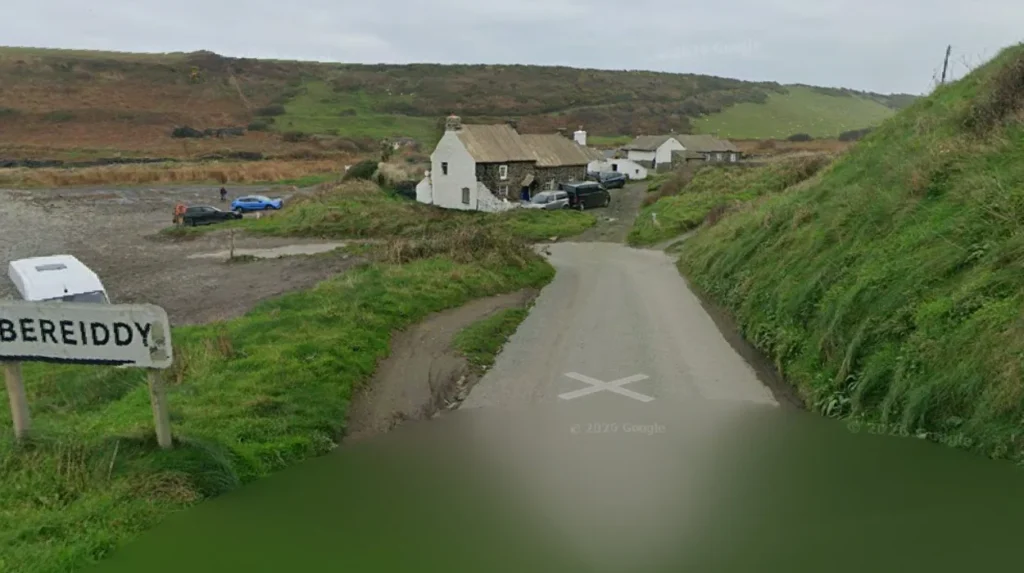
The Blue Lagoon Wales is easily reached by car from St Davids and Fishguard, followed by a short walk from Abereiddy Beach car park. Public transport is available through seasonal coastal bus services, while the Pembrokeshire Coast Path provides walking access from nearby villages.
Most visitors travel by road because Abereiddy is a small coastal settlement with limited public transport. From St Davids, the journey takes approximately 15 minutes, while Fishguard is around 30 minutes away by car. A public car park is located close to Abereiddy Beach, and the Blue Lagoon can be reached within a few minutes on foot via a clearly defined coastal path. The walking route is relatively short but includes uneven ground, making sturdy footwear advisable.
Seasonal coastal buses operate between St Davids, Fishguard and surrounding villages, providing an alternative for visitors without private transport. Those exploring the Pembrokeshire Coast Path often include the Blue Lagoon as part of a longer walk between Abereiddy and Porthgain, one of the most scenic stretches of the national trail. The route offers impressive views of sea cliffs, former quarry workings and protected coastal habitats.
Visitors should arrive early during weekends and the summer holiday period because parking spaces fill quickly. The area has limited visitor infrastructure, helping preserve its natural character. Most cafés, shops and accommodation are found in nearby St Davids, making it a convenient base for exploring the wider Pembrokeshire coastline.
Why is the Blue Lagoon Wales important to Pembrokeshire?
The Blue Lagoon Wales is important because it combines industrial heritage, coastal conservation, sustainable tourism and outdoor recreation within the Pembrokeshire Coast National Park. It demonstrates how a former slate quarry has become a nationally recognised landscape while supporting local tourism and environmental protection.
The lagoon represents an important chapter in Pembrokeshire’s industrial history. During the nineteenth century, the St Brides Slate Company extracted roofing slate from the quarry before operations ended in 1910. Today, surviving quarry buildings, workers’ cottages and tramway remains provide evidence of the area’s mining heritage. Ongoing conservation work protects these historic features while allowing natural coastal processes to reshape the landscape.
The National Trust and Pembrokeshire Coast National Park Authority manage the surrounding landscape to balance visitor access with environmental conservation. Coastal erosion continues to alter the shoreline, creating new geological features while gradually removing vulnerable historic structures. This natural process forms part of long-term coastal management that prioritises habitat protection and public safety rather than artificial sea defences.
Tourism generated by the Blue Lagoon supports local businesses throughout north Pembrokeshire. Visitors often continue to nearby destinations including St Davids, Porthgain and Whitesands Bay, benefiting accommodation providers, restaurants, outdoor activity companies and independent shops. The lagoon therefore contributes significantly to the region’s sustainable visitor economy while remaining one of Wales’ most photographed coastal landmarks.
The Blue Lagoon Wales stands as one of Pembrokeshire’s most distinctive coastal landmarks, combining natural beauty, industrial heritage and outdoor adventure in a single destination. Once an active slate quarry operated by the St Brides Slate Company until 1910, it has evolved into a protected coastal attraction within the Pembrokeshire Coast National Park. Its striking blue-green water, dramatic cliffs and historic quarry remains continue to attract walkers, photographers and adventure enthusiasts throughout the year.
Visitors benefit from easy access via Abereiddy Beach, scenic walking routes along the Pembrokeshire Coast Path and opportunities for activities including coasteering, kayaking and wildlife watching. Conservation remains a priority, with seasonal access restrictions helping protect breeding grey seals and allowing natural coastal processes to continue. Responsible tourism ensures that this unique landscape remains preserved for future generations while supporting the local economy of north Pembrokeshire.
Whether visiting for its remarkable history, spectacular coastal scenery or outdoor recreation, the Blue Lagoon Wales offers an authentic experience that showcases the best of the Welsh coastline. Its combination of geological significance, industrial heritage and environmental conservation makes it one of the most memorable places to visit in Wales.
Frequently Asked Questions
Is the Blue Lagoon Wales free to visit?
Yes. The Blue Lagoon is free to access throughout the year. Visitors only need to pay for parking if applicable and for optional guided activities such as coasteering or kayaking. The walking trails and viewing areas remain open unless temporary conservation closures are in place.
Can you swim in the Blue Lagoon Wales?
Swimming is permitted, but the water is deep, cold and influenced by tides. Many visitors choose guided coasteering or open-water swimming sessions led by qualified instructors who provide appropriate safety equipment and local knowledge.
Why is the water at the Blue Lagoon Wales so blue?
The distinctive colour comes from the flooded slate quarry. The slate rock beneath the water reflects sunlight, creating bright turquoise and blue-green shades that vary depending on weather, sunlight and tidal conditions.
How long should you spend at the Blue Lagoon Wales?
Most visitors spend between one and three hours exploring the lagoon, walking nearby sections of the Pembrokeshire Coast Path and taking photographs. Those joining adventure activities or longer coastal walks often stay for half a day or more.
Is the Blue Lagoon Wales suitable for families?
Yes. Families enjoy the coastal walks, viewpoints and nearby Abereiddy Beach. Children should remain supervised near cliff edges and deep water, while younger visitors can safely enjoy the surrounding scenery without participating in adventure sports.