

Key Points
- Harlech Foodservice, a Gwynedd-based food wholesaler, expects record sales of £75 million this year, up 25% in turnover over the past year.
- The firm is creating 50 new full-time, year-round jobs, with total staff rising from 320 to 370 over the next few years.
- Expansion includes new depots in Caerphilly and Telford to support demand in South Wales, the North West and West Midlands.
- Managing director David Cattrall has driven a growth strategy that previously lifted sales from £32 million to £46.5 million and profits to nearly £2 million.
- The company forecasts sales of up to £80 million next year, with a three-year target of £120 million by 2029.
- Harlech plans a £3.5 million expansion at its Llanystumdwy headquarters in Gwynedd to enable the next wave of recruitment and warehousing capacity.
- More than 40 Welsh suppliers benefit from Harlech’s focus on regional produce; sales of Welsh-made products rose 78% in 2025 compared with 2024.
- Harlech was named Food Wholesaler of the Year at The Caterer awards in London in 2025, reflecting industry recognition of its growth and model.
- The firm calls for support to build new warehousing on land at its headquarters, which will help deliver the additional 50 jobs in its Gwynedd heartland.
- Jobs created are described as important for a rural area of North West Wales, offering stable employment in a sector that can be vulnerable to seasonal swings.
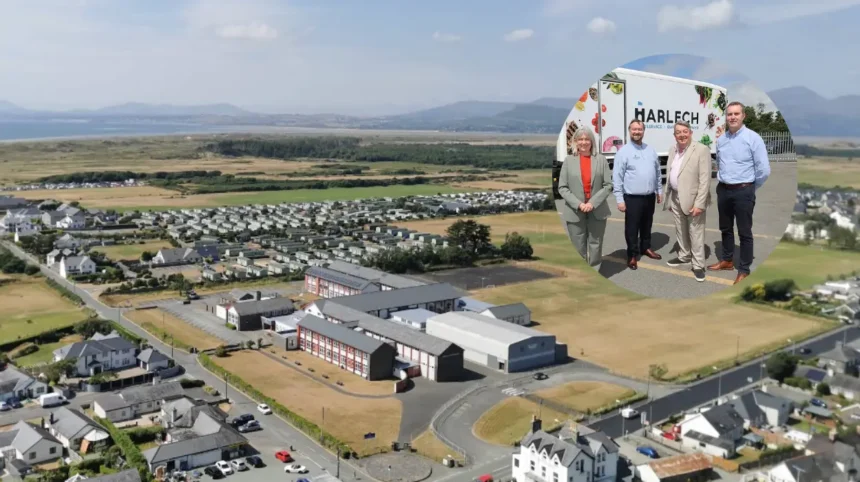
(Wales Times) July 16, 2026 – A fast-growing food firm is creating 50 new jobs and on course to achieve record sales of £75 million following a rapid expansion across Wales and England, according to multiple reports published on 15 July 2026. Gwynedd-based Harlech Foodservice has increased turnover by 25 per cent in the past year after opening depots in Caerphilly and Telford to support growing demand in South Wales, the North West and West Midlands, company bosses say. As reported by Nation Cymru, managing director David Cattrall stated that “when Covid hit our sales were down to £18 million in 2021 but they have recovered and grown so that next year we are estimating sales of up to £80 million with a three year target increase to £120 million by 2029”.
- Key Points
- How has Harlech recovered from the pandemic and built momentum?
- What does the new jobs plan mean for Gwynedd and wider Wales?
- How is Harlech’s expansion structured across Wales and England?
- What recognition has Harlech received for its growth and model?
- How will this development affect students, local workers and rural communities?
- Prediction: how this development can affect the particular audience
How has Harlech recovered from the pandemic and built momentum?
Harlech’s rebound from pandemic lows has been powered by a deliberate expansion strategy. As reported by Business Live, the company’s expansion was “masterminded and accelerated under the leadership of managing director David Cattrall, with a £6 million plan to create 150 new jobs” in an earlier phase, which resulted in sales rising from £32 million to a record £46.5 million and profit at an all-time high of nearly £2 million. The latest £75 million sales figure represents a further significant step, with turnover up 25% in the last year alone.
The company has also strengthened its supply chain foundations. According to The School Food People, Harlech works with more than 40 suppliers in Wales, and sales of products manufactured in the country rose by 78% in 2025 compared with 2024. That focus on Welsh produce has driven investment in suppliers’ capacity, including a £5 million investment by Radnor to increase carton capacity by 150%, creating more than 20 new skilled jobs, and expansion at Henllan Bakery linked to a 28% rise in purchases from Harlech.
What does the new jobs plan mean for Gwynedd and wider Wales?
Harlech is expected to raise its workforce from 320 to 370 employees over the next few years, with 50 new roles tied to a planned £3.5 million expansion at its Llanystumdwy headquarters in Gwynedd. As reported by Nation Cymru, the firm has
“created 48 new jobs over the past 18 months and our total staff numbers are now 320 – these are full time, year round jobs which is really important in a rural area of North West Wales and we’re still recruiting”.
The company says it has plans for new warehousing and has the land at its headquarters, but now “need help to get those facilities built” to deliver the additional 50 jobs in its Gwynedd heartland. This ties the jobs announcement directly to infrastructure investment at the site, rather than solely to new depots elsewhere.
How is Harlech’s expansion structured across Wales and England?
The firm has opened depots in Caerphilly and Telford as part of its growth strategy, targeting demand in South Wales, the North West and West Midlands. These locations complement its existing base in Llanystumdwy, Gwynedd, and allow Harlech to serve a broader geographic footprint while maintaining its core in North West Wales.
According to Yahoo News, company bosses say that the depots in Caerphilly and Telford are designed to support growing demand in those regions, helping Harlech to scale sales while maintaining service levels. The expansion has been described as “rapid” across Wales and England, with the new depots forming a key part of that push.
What recognition has Harlech received for its growth and model?
Harlech’s performance has attracted industry accolades. As reported by Business Live, the company was named Food Wholesaler of the Year at The Caterer awards in London in 2025, an event organised by leading industry magazine The Caterer to recognise excellence in food supply. That award came alongside the earlier £6 million expansion plan and 150-job creation target under David Cattrall’s leadership, which helped lift sales from £32 million to £46.5 million with profits near £2 million.
The School Food People also highlighted Harlech’s commitment to Welsh produce and regional brands as a driver of economic growth, noting that its approach “boosts the country’s economy through job creation and investment”.
How will this development affect students, local workers and rural communities?
Harlech Foodservice is an independent, family-owned food wholesaler based in Llanystumdwy, Gwynedd, with a long focus on Welsh suppliers and regional produce. Under managing director David Cattrall, the firm pursued a multi-year expansion strategy that included significant investment in new depots, warehousing and staff recruitment, first delivering a £6 million plan that created 150 jobs and lifted sales from £32 million to £46.5 million with profits near £2 million. Following the pandemic, where sales fell to £18 million in 2021, the company rebuilt and grew turnover, reaching a projected £75 million in 2026 and announcing a further 50 jobs linked to a £3.5 million headquarters expansion. The firm has also been recognised as Food Wholesaler of the Year at The Caterer awards in 2025, reflecting its standing in the sector.
Prediction: how this development can affect the particular audience
For students and young people in Gwynedd and North West Wales, Harlech’s growth signals more stable, full-time, year-round employment opportunities in a rural area where jobs can often be seasonal or tied to tourism and agriculture. The creation of 50 new roles, alongside support for Welsh suppliers that have already added skilled jobs, increases the likelihood that graduates and trainees can find career pathways locally without needing to move to larger cities.
For local workers and rural communities, the expansion is likely to strengthen the local economy by increasing household spending power and supporting secondary businesses such as transport, retail and services in and around Llanystumdwy and other parts of Gwynedd. The firm’s emphasis on Welsh produce means that more of its revenue circulates within Wales, supporting suppliers and their employees, which in turn can help sustain smaller towns and villages that depend on agri-food and related industries. If the requested help to build new warehousing facilities is delivered, the 50 additional jobs could become a catalyst for further investment in infrastructure and training in the region, potentially attracting related businesses and enhancing the area’s economic resilience in the years up to 2029 when the company targets £120 million in sales.