
Key Points
- Mid and West Wales Fire and Rescue Service is recruiting on-call firefighters for Whitland Fire Station.
- The service says on-call firefighters are essential to protecting local communities and supporting emergency response.
- The role is open to people who live or work in the Whitland area and can respond when paged.
- MAWWFRS says on-call firefighters can help with more than fires, including road traffic collisions, flooding, chemical emergencies, animal rescues and community safety work.
- The service has recently introduced a new availability and pay banding system with five bands, replacing the previous two, to offer more flexibility.
- The recruitment drive sits within a wider effort to improve on-call availability and resilience across the service.
- MAWWFRS says 75% of its fire stations are crewed entirely by on-call firefighters.
- The service says applicants can complete an expression of interest form and will be contacted by the Human Resources team.
- A wider issue behind the campaign is the national challenge of recruiting and retaining on-call firefighters.
- MAWWFRS has said it is also using recruitment, retention and training improvements to support long-term resilience.
Wales Fire (Wales Times) July 31, 2026 – Whitland Fire Station launches recruitment drive for on-call firefighters as Mid and West uk/fire/">Wales Fire and Rescue Service steps up efforts to strengthen its local on-call teams. The campaign is aimed at people in the Whitland area who want to support the community while taking on a flexible public service role.
What has Whitland Fire Station announced?
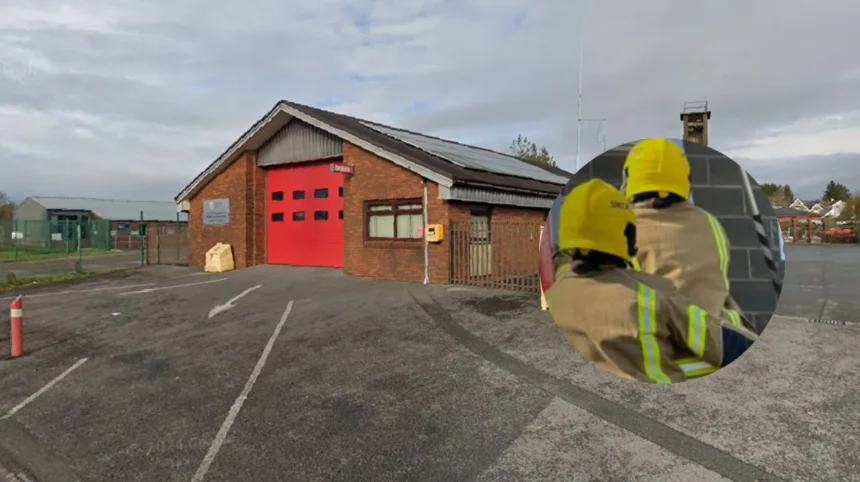
Whitland Fire Station has launched a recruitment drive for on-call firefighters, with Mid and West Wales Fire and Rescue Service encouraging local people to come forward. As reported by the Herald Wales story, the appeal is directed at people who live or work in the Whitland area and can respond when their pager sounds.
The service says on-call firefighters are a core part of its operating model, especially in rural and semi-rural areas where stations rely on local people being available at short notice. MAWWFRS says these firefighters do much more than attend fires, including responding to road traffic collisions, flooding, chemical incidents and animal rescues.
Why are on-call firefighters needed?
On-call firefighters are used where stations are not crewed around the clock by wholetime staff. In MAWWFRS’s own recruitment material, the service says 75% of its fire stations are crewed entirely by on-call firefighters, which shows how central the model is across Mid and West Wales.
The service also says on-call firefighters support prevention work, safe and well visits, school and community safety activity, and in some places even co-responder support to ambulance services. That means each successful recruit is not only filling an emergency response gap, but also helping with wider community protection.
How is the recruitment campaign changing?
The recruitment drive comes after MAWWFRS introduced a new availability and pay banding system. The service says this replaces a previous two-band system with five availability options, ranging from up to 30 hours a week to at least 120 hours a week, giving recruits and existing staff more flexibility.
As reported in the service’s own news material, the aim is to better balance work and private life while making the role accessible to a wider range of people. The new structure is part of a wider improvement programme designed to increase resilience and address long-term on-call availability challenges.
What do officials say?
The service has said that on-call firefighters are “an essential part” of the fire and rescue system and that the role can provide training, teamwork, leadership and problem-solving opportunities. It also says the job offers payment for training, drills and call-outs, alongside an annual retainer fee.
MAWWFRS has also linked recruitment to its broader improvement work. In its award-winning On-Call Improvement Programme, the service said it had seen a 3% increase in on-call availability after a long period of decline, and that the changes were helping to reverse pressure on the duty system. According to the service, the issue is not simply recruitment, but also retaining staff after they have been trained.
How does the Whitland station fit wider trends?
The Whitland campaign is part of a broader pattern across Mid and West Wales, where the service has said it is trying different recruitment methods and retention measures. In a recent podcast discussion with Emergency Services Times, Chief Fire Officer Craig Flannery said the service was working with communities, employers and families to improve availability and keep stations running.
That wider context matters because on-call recruitment is often tied to local community trust, employer support and the willingness of residents to respond quickly to emergencies. MAWWFRS has said employer recognition days, family appreciation events and local engagement can all help attract and keep firefighters.
Who can apply?
The service says people interested in becoming on-call firefighters should complete an expression of interest form, after which a member of the Human Resources team will be in touch. Current vacancy information on the MAWWFRS website confirms that Whitland is one of the stations listed with on-call firefighter vacancies.
The role generally requires a local connection and availability to respond promptly, because on-call firefighters are expected to get to the station quickly after being alerted. The service also says successful candidates will be subject to safeguarding checks, DBS clearance and satisfactory references.
Background of this development
Mid and West Wales Fire and Rescue Service has been working for some time to improve its on-call system. The service says its On-Call Improvement Programme was created in 2023 to strengthen recruitment, retention, training and resilience, after years of declining availability across the duty system.
The wider national picture has also been challenging. MAWWFRS has said on-call firefighter numbers have fallen across the UK in recent years, making local recruitment efforts more important for rural coverage and emergency resilience. The Whitland drive is therefore part of a larger response to a long-running staffing issue, rather than an isolated hiring exercise.
What is the prediction?
For people living in Whitland and nearby communities, this development could improve local resilience if more recruits come forward and remain in post. A stronger on-call team may help the station respond more effectively to fires, flooding and other emergencies that depend on rapid local turnout.
For potential applicants, the campaign could make the role more attractive because the service is offering greater flexibility through its new banding system. If recruitment continues to improve, the likely effect will be steadier cover at the station and stronger community protection across the Whitland area.