Key Points
- Transport for Wales is introducing new technology at seven stations across the Wales and borders network this summer.
- The rollout is aimed at improving accessibility, customer support and the overall station experience.
- The move follows TfW’s wider programme of station and ticketing upgrades across its network.
- Public reporting on the story is currently limited to the TfW announcement snippet available through search results.
Wales Live Traffic & Travel (Wales Times) August 2026 – Transport for Wales is set to introduce new technology at seven stations across the Wales and borders network this summer, with the operator saying the change is designed to improve accessibility, customer support and the passenger experience. The announcement, published by Transport for Wales on 05 August 2026, sets out a station-focused upgrade rather than a full network overhaul.
- Key Points
- Which stations are included in the rollout?
- Why is TfW introducing the technology?
- How does this fit TfW’s wider network plans?
- What has been reported so far by media outlets?
- What does this mean for passengers?
- Background of the development
- What is the likely impact for passengers and local users?
- Prediction
Which stations are included in the rollout?
The search result snippet confirms that seven stations are included, but the available text does not name the stations individually. Because the full article could not be fetched from the source page, only the information visible in the public snippet can be confirmed at this stage.
Why is TfW introducing the technology?
The available announcement says the purpose is to improve accessibility and customer support, which suggests the upgrade is being positioned as a practical passenger service measure rather than a cosmetic change. That fits with Transport for Wales’ wider pattern of station modernisation, including previous work on ticketing, contactless travel and passenger information systems across its network.
How does this fit TfW’s wider network plans?
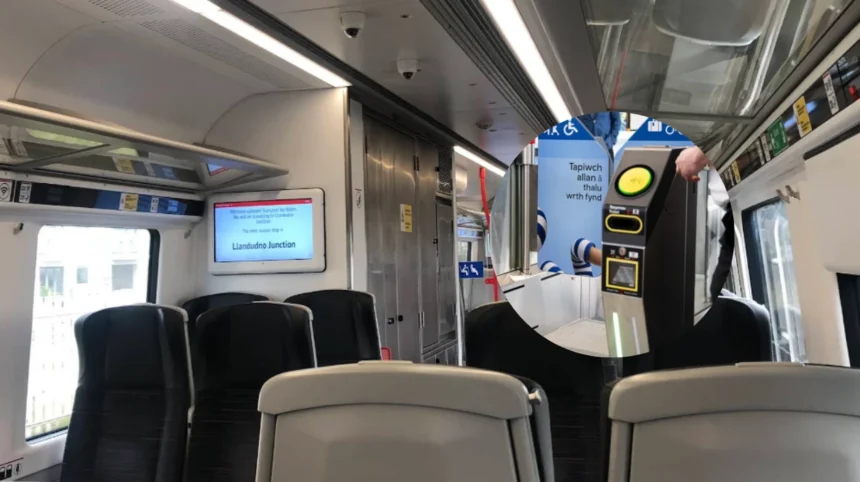
Transport for Wales has previously rolled out major technology-led upgrades across its stations, including modern ticket vending machines, contactless travel and digital gate systems. Earlier reporting shows TfW has invested in new ticketing and passenger-service systems to make rail travel easier to use, especially for passengers who rely on smart ticketing and better on-station facilities.
What has been reported so far by media outlets?
At present, the clearest public source is the Transport for Wales news item itself, surfaced in search results on 05 August 2026. Other recent reporting around TfW has focused on wider rail innovation, including station technology and infrastructure planning, but those stories are separate from this specific seven-station rollout.
What does this mean for passengers?
If implemented as described, the upgrade should make stations easier to use for people needing clearer support, better access and more responsive passenger information. For regular commuters, that could mean fewer friction points at stations and a more consistent travel experience, particularly if the new technology helps with navigation, ticketing or assistance.
Background of the development
Transport for Wales has spent recent years expanding technology across its network, with previous projects covering contactless travel, digital gates, improved ticket machines and other passenger-facing systems. This summer rollout appears to continue that direction by bringing targeted upgrades to a smaller group of stations, rather than announcing a wholesale network change.
What is the likely impact for passengers and local users?
For passengers, the biggest impact is likely to be practical rather than dramatic: easier journeys, better support at stations and a more accessible system overall. For local users in Wales and the borders network, the move may also signal that TfW is continuing to prioritise station experience as part of its broader improvement strategy.
Prediction
For regular passengers, especially those who depend on station staff, accessibility support or clearer travel information, the upgrade could improve confidence and reduce delays caused by poor station facilities. For the wider audience, the rollout may also be seen as another step in TfW’s gradual shift towards a more modern and digitally supported rail network, with further station technology projects likely to follow if this one proves successful.