Key Points
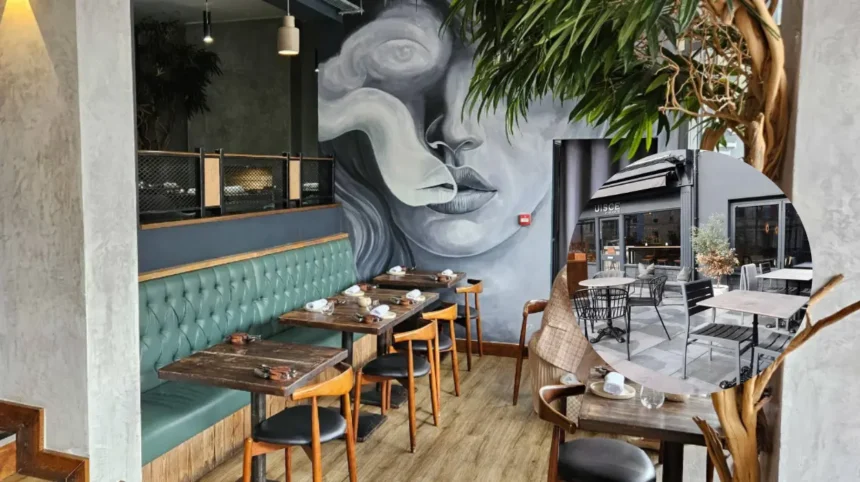
- A restaurant named “Uisce,” run by the chef Tommy Heaney and located in Pontcanna, has put forward a request to the Cardiff Council for extended outdoor seating hours.
- At present, the hours of outdoor seating are from 9 am to 9 pm; however, this application wants Sunday-Thursday extended up to 10 pm and Friday-Saturday and public holidays Sunday to 11 pm.
- Some residents living on Romilly Crescent are against this proposal due to noise pollution and overcrowding on the terrace.
- This request is made because the applicant wants his business to be in line with the other establishments, such as The Robin Hood pub, in the locality.
- The noise pollution control methods being proposed are no music after 9 pm, placing “Respect Our Neighbors” sign, supervising the customers by employees, and no smoking and vaping outdoors.
Cardiff (Wales Times) August 19, 2026 — A planning application to extend outdoor seating hours at Uisce, a wine and oyster bar on Romilly Crescent, has drawn formal objections from nearby residents who say noise and late‑night activity would worsen if the bid is approved. The venue, operated by Welsh chef Tommy Heaney and situated next to his sister site Heaney’s, is asking uk/local/cardiff/cardiff-council/">Cardiff Council to vary existing conditions so its terrace can remain open later in the evening.
- Key Points
- What hours does Uisce want for its outdoor terrace?
- Why are neighbours objecting to Uisce’s extended hours?
- What does Uisce say in support of its licence variation?
- What noise controls and conditions has Uisce proposed?
- How does this case fit wider Cardiff licensing and planning debates?
- Background: How did the Uisce terrace development arise?
- Prediction: How could this decision affect residents, hospitality operators and Cardiff’s nightlife?
What hours does Uisce want for its outdoor terrace?
Under current permissions, Uisce’s outdoor seating area is limited to 9am–9pm, a restriction set when the terrace was first approved. The new application seeks to extend those hours to 10pm from Sunday to Thursday and to 11pm on Fridays and Saturdays, with the same 11pm finish on Sundays that fall before bank holidays. In planning documents, the operator states the aim is to “reconcile the existing planning restrictions with the permitted operational hours (which allow operation until 12:30am) by extending outdoor seating hours in a measured and responsible way”.
Why are neighbours objecting to Uisce’s extended hours?
Residents on Romilly Crescent have lodged objections with the council, warning that longer terrace hours would amplify existing noise problems in a predominantly residential street. One objector told the council that the outdoor area becomes “particularly crowded during weekends and bank holidays” and that raised voices from patrons are easily heard inside nearby homes due to the terrace’s proximity to properties. Another long‑term resident said they had lived on the crescent for 26 years without issues from a large restaurant opposite until Uisce opened, adding: “This is a residential neighborhood, and we have the right to enjoy our homes and gardens without disturbances from a boisterous bar that negatively impacts our quality of life and mental well-being.”
What does Uisce say in support of its licence variation?
In its submission, Uisce argues that the proposed extension would bring its outdoor trading hours into line with other licensed venues nearby and avoid an “atypical level of activity” for the area. The application points to The Robin Hood pub, around 80 metres away, which it says already operates outdoor areas into the evening, as a “clear precedent”. It contends that allowing the change would “promote a fair and consistent approach to the nighttime economy, aligning the venue with established local practices”.
What noise controls and conditions has Uisce proposed?
To address neighbour concerns, Uisce has outlined a noise mitigation strategy as part of the application. The measures include a ban on music after 9pm, installation of a prominent “Respect Our Neighbors” sign on the terrace, active supervision by staff, the right to refuse service where necessary, and a prohibition on outdoor smoking and vaping intended to reduce loitering and late‑night noise. These conditions are presented as safeguards to ensure the extended hours do not lead to unreasonable disturbance.
How does this case fit wider Cardiff licensing and planning debates?
Cardiff Council routinely considers licence variations and planning changes affecting bars and restaurants, with resident objections often focusing on noise, late‑night dispersal and impacts on residential amenity. Similar disputes have arisen elsewhere in the city and across Wales, including recent objections to new food and drink uses on busy streets and to extended drinking hours at pubs, where neighbours cite noise, parking and changes to local character. The Uisce case follows that pattern: a hospitality operator seeking greater flexibility in the nighttime economy, set against residents’ demands for protection of quiet enjoyment at home.
Background: How did the Uisce terrace development arise?
Uisce is part of a group of venues in Pontcanna linked to chef Tommy Heaney, with Heaney’s restaurant operating adjacent to the wine bar on Romilly Crescent. The outdoor terrace was approved under planning conditions that capped its use at 9pm, reflecting typical concerns about residential amenity in mixed‑use streets. As the venue grew in popularity, particularly on warm evenings, the operator sought to align terrace hours with its internal licence, which permits operation until 12:30am, prompting the current variation application to Cardiff Council. The council will weigh the operator’s case for consistency with local practice against resident submissions on noise and quality of life before reaching a determination.
Prediction: How could this decision affect residents, hospitality operators and Cardiff’s nightlife?
If Cardiff Council approves Uisce’s extended terrace hours with the proposed conditions, local residents on Romilly Crescent may face increased evening noise and footfall, potentially intensifying existing tensions over residential amenity in Pontcanna. For hospitality operators, a granted application could set a local precedent that makes it easier to argue for similar variations elsewhere, particularly where nearby venues already trade later outdoors. Conversely, a refusal or a heavily conditioned approval could reinforce a cautious approach by the council where residential streets are concerned, signalling to other bars and restaurants that noise mitigation must be robust and that proximity to homes will be a decisive factor. For Cardiff’s nighttime economy, the outcome will contribute to an ongoing balancing act between supporting city‑centre and neighbourhood venues and maintaining liveability for communities in areas such as Pontcanna.