
Jacuzzi breaks in Wales represent a specialized segment of the Welsh domestic tourism market, combining self-catering accommodation with outdoor or indoor hydromassage spa facilities. These stays cater to leisure travelers seeking relaxation, physical recovery, and private wellness facilities across coastal, mountainous, and rural landscapes. The sector operates under strict Health and Safety Executive regulations to ensure high microbiological safety standards, clean water filtration, and consistent temperature controls for commercial properties.
- What Regulations Govern Hot Tubs in Welsh Holiday Rentals?
- What Are the Most Popular Regions for Jacuzzi Breaks in Wales?
- What Types of Accommodation Offer Hot Tubs in Wales?
- How Do Guests Ensure Safe Use of Hot Tubs During Holiday Stays?
- What Factors Impact the Cost of Booking a Jacuzzi Break in Wales?
- Frequently Asked Questions
- How often do holiday cottage owners clean and change hot tub water in Wales?
- What are the rules for using an outdoor hot tub in a Welsh holiday let?
- Are wood-fired hot tubs better than electric hot tubs for a rural break in Wales?
- Can pregnant women safely use a holiday home hot tub in Wales?
- Why do hot tub holiday lets in Wales charge higher night rates than standard cottages?
The historical development of wellness stays in Wales traces back to 19th-century Victorian spa towns like Llandrindod Wells, Builth Wells, and Llanwrtyd Wells, where tourists gathered to consume mineral water for medicinal recovery. Modern hot tub retreats evolved from this health-oriented culture, shifting from centralized public baths to private self-catering cottages, timber lodges, and luxury glamping pods fitted with automated hydrotherapy tubs. Between 2010 and 2024, private hot tub installations grew significantly across Welsh holiday lets to meet sustained visitor demand.
A compliant hot tub system in a Welsh holiday accommodation consists of several mechanical and structural components engineered to handle heavy visitor turnover. Standard installations feature a shell, dedicated circulation pumps, a inline chemical dispenser, a cartridge or sand filter, an inline heater, and a secondary sanitation device such as an ultraviolet or ozone generator. According to the Health and Safety Executive guidance document HSG282, commercial spas require rapid filtration turnover times, continuous biocide dosing, and minimum water capacities to prevent stagnant deadlegs.
The operational process of maintaining a holiday let hot tub requires consistent monitoring to satisfy the Development of Tourism and Regulation of Visitor Accommodation Wales Act 2026 standards. Operators perform daily chemical testing for free chlorine or bromine and pH levels, twice-daily line cleaning, and quarterly laboratory screening for Legionella bacteria. Before new guests arrive, operators drain, sanitize, refill, and heat the water to ensure total compliance with public safety protocols.
Real-world examples of popular destinations for jacuzzi breaks in Wales include Pembrokeshire, Eryri National Park, Brecon Beacons National Park, and the Isle of Anglesey. Properties range from stone cottages in Snowdonia equipped with wood-fired hot tubs to coastal lodges in Tenby featuring electrically heated acrylic spas. These accommodations integrate private outdoor decking areas, precise thermal covers, and child-safe locking mechanisms to protect guests and maintain consistent water temperatures.
Data from Visit Wales indicates that adding a hydrotherapy tub increases a property’s occupancy rates by up to 20 percent compared to standard self-catering units. Under the Welsh Revenue Authority rules, self-catering holiday properties must remain available for 252 days and be commercially let for at least 182 days per year to qualify for business rates. Maintaining strict hygiene regimes protects owners from legal non-compliance while ensuring high guest satisfaction ratings.
The long-term impact of jacuzzi breaks in Wales centers on environmental sustainability, statutory licensing, and economic value for rural communities. Advances in heat pump technology reduce the energy consumption of commercial hot tubs by up to 70 percent compared to traditional electrical resistance heaters. Furthermore, the mandatory national registration and licensing framework rolled out across Wales protects visitor health standards, solidifying the region’s position as a premier destination for high-quality, regulated spa retreats.
What Regulations Govern Hot Tubs in Welsh Holiday Rentals?
Hot tub installations in Welsh holiday rentals must strictly comply with the UK Health and Safety Executive HSG282 guidelines to eliminate microbiological hazards like Legionella. Compliance requires automated chemical dosing, daily water parameter testing, strict record-keeping, and full water replacements between guest stays.
Commercial properties in Wales operating hydrotherapy amenities operate under explicit statutory duties. Property owners must draft a comprehensive Fire Risk Assessment and complete mandatory statutory registration with the Welsh Revenue Authority. Under HSG282, commercial hot tubs must circulate the entire water volume through filtration systems within 15 minutes and include continuous secondary sanitizers, such as UV or ozone units.
Operators perform strict water balance tests twice daily to record free biocide and pH values. Microbiological testing for aerobic colony counts, E. coli, and Pseudomonas aeruginosa must occur monthly through UKAS-accredited laboratories, alongside quarterly Legionella testing. Failure to maintain these records exposes accommodation providers to enforcement actions under the Health and Safety at Work Act 1974 and local council licensing frameworks.
Examples of compliant amenities include built-in acrylic spas, commercial cedar wood tubs, and eco-friendly electric hot tubs fitted with automatic dosing pumps. Standard domestic hot tubs lack the rapid turnover filtration required for short-term holiday lets and do not meet commercial licensing criteria. Proper investment in commercial-grade filtration protects guest health and preserves business longevity.
Statutory registration regulations enforced across Wales reinforce safety standards for self-catering properties. Properties meeting the 182-day actual occupancy threshold maintain business rate status, whereas non-compliant units revert to council tax structures with second-home premiums. High safety compliance ensures that short-term let operations avoid penalties while offering safe hydrotherapy facilities.
What Are the Most Popular Regions for Jacuzzi Breaks in Wales?
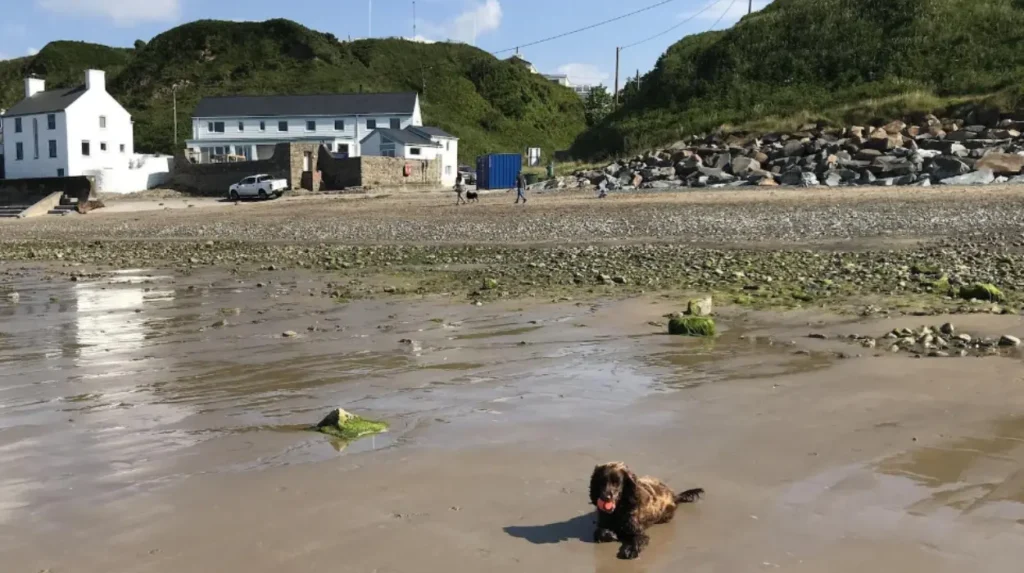
The most popular regions for jacuzzi breaks in Wales are Eryri National Park, Pembrokeshire, the Brecon Beacons National Park, Anglesey, and the Wye Valley. These geographic areas feature vast natural landscapes, coastal views, and remote rural settings suited for outdoor spa amenities.
North Wales dominates demand through Eryri National Park and Anglesey, where mountainous topography and coastal vistas frame luxury cabin stays. Mid Wales provides isolated rural retreats in Powys and Ceredigion, ideal for timber lodges and off-grid glamping pods. South Wales attracts visitors to the Brecon Beacons and Gower Peninsula, offering dark-sky reserves and proximity to major urban populations in Cardiff and Swansea.
Travelers selecting properties in Pembrokeshire target coastal cottages near Tenby and St Davids equipped with sheltered, sea-view hot tubs. In Eryri, mountain chalets near Llanberis or Betws-y-Coed offer hydrotherapy tubs designed to soothe hikers after climbing Pen y Fan or Snowdon. Each region provides distinct atmospheric conditions that enhance outdoor bathing experiences.
Visitor statistics show that rural accommodation with hot tubs maintains higher off-peak occupancy during winter months than properties without wellness features. Coastal properties see peak summer demand, while mountainous inland areas experience steady year-round weekend bookings. Property owners in these regions optimize outdoor spa installations to maximize annual rental yield.
Regional planning authorities apply specific C6 usage classes to short-term holiday lets in National Parks. These designations ensure that tourism infrastructure growth balances local housing needs with sustainable visitor management. Adhering to local council guidance ensures long-term operational success for hot tub holiday accommodations.
What Types of Accommodation Offer Hot Tubs in Wales?
Accommodations offering hot tubs in Wales include traditional stone cottages, timber holiday lodges, luxury glamping pods, converted barns, and boutique coastal villas. Options range from rustic, off-grid wood-fired tubs to fully automated, electric hydrotherapy spas with integrated air jets and LED lighting.
The architectural diversity of Welsh holiday accommodation creates varied settings for private spa installations. Historic stone properties integrate sunken patio hot tubs, while modern timber lodges feature raised decking platforms to maximize scenic views. Glamping sites utilize compact two-person cedar tubs or shepherd’s hut hot tubs to conserve space and maintain countryside aesthetic harmony.
Properties select hydrotherapy units based on guest capacity, power grid access, and site layout. Electric acrylic hot tubs require a dedicated 32-amp power supply to run high-powered pumps, inline heaters, and continuous filtration systems simultaneously. Wood-fired hot tubs require manual log burning to heat fresh water, appealing to off-grid glamping developments.
Examples of specialized hot tub stays include converted agricultural barns in Carmarthenshire, seaside apartments in Aberystwyth, and secluded treehouses in Powys. Each accommodation type integrates specific safety measures, such as non-slip decking surfaces, secure safety covers, and clear operational signage to prevent accidents.
Accommodation classification rules enforce strict standards regarding guest capacity and facility safety. Commercial properties must ensure that hot tub seating capacity equals or exceeds the maximum guest occupancy listed for the rental unit. Matching facility size to property occupancy prevents water contamination and operational strain.
How Do Guests Ensure Safe Use of Hot Tubs During Holiday Stays?
Guests ensure safe hot tub use by limiting bath time to 15 minutes per session, showering with soap before entering, avoiding alcohol consumption, and keeping children under four out of the water. Following posted house safety rules prevents overheating, skin infections, and accidental chemical contamination.
Hot water immersion elevates body temperature, causing blood vessels to dilate and lowering overall blood pressure. Bathing periods exceeding 15 minutes can lead to hyperthermia, dizziness, or dehydration. Guests must stay hydrated by drinking fresh water and avoiding glass containers near the spa area to eliminate puncture hazards.
Showering prior to entering the spa removes body oils, cosmetic products, fake tans, and deodorants that neutralize biocide sanitizers. When organic matter contaminates the water, biocide levels drop rapidly, allowing bacteria to proliferate. Guests must avoid applying oil-based lotions before bathing to keep the filtration system clear.
Examples of safety non-compliance include consuming food in the water, bringing electrical items near the tub, and allowing unsupervised children near open water. Holiday parks enforce strict noise curfews, typically prohibiting hot tub use after 10:00 PM or 11:00 PM to respect neighboring properties and local bylaws.
Health research shows that pregnant women, individuals with cardiovascular conditions, and immunocompromised guests must consult medical professionals before using heated spas. Furthermore, individuals with open wounds or infectious skin conditions must refrain from entering shared water systems to preserve hygiene standards.
What Factors Impact the Cost of Booking a Jacuzzi Break in Wales?
The cost of booking a jacuzzi break in Wales depends on seasonal demand, geographic location, property capacity, luxury amenities, and inclusive utility fees. Peak summer months, bank holidays, and festive periods command the highest rates across all self-catering sectors.
Pricing structures fluctuate significantly based on seasonal shifts. High season spans July, August, and major holiday weeks, while off-peak pricing applies during late autumn and early spring, excluding romantic periods like Valentine’s Day. Coastal properties in Pembrokeshire and high-demand mountain rentals in Eryri charge premium rates due to prime geographical positioning.
Hot tub maintenance adds operational costs for property managers, including chemical supplies, daily testing labor, UKAS lab testing, and significant electrical consumption. Properties equipped with energy-efficient heat pumps incur lower utility overheads than standard electrical heater models, helping stabilize night-by-night rental fees.
Examples of cost variations include luxury six-bedroom farmhouses with sea views charging higher nightly rates than small two-person shepherd’s huts. Additional fees may cover robe rentals, extra firewood packages for wood-fired tubs, or local visitor levies implemented under Welsh taxation frameworks.
Local tax policy changes influence long-term rental rates. The introduction of local visitor levies (£1.30 per person per night) and council tax premiums on non-commercial holiday homes directly influences baseline rental prices across Welsh counties. Understanding these financial variables helps travelers select properties that balance luxury amenities with budget requirements.
Frequently Asked Questions
How often do holiday cottage owners clean and change hot tub water in Wales?
Holiday cottage owners in Wales follow Health and Safety Executive HSG282 rules, which require draining, sanitizing, and refilling the hot tub water between every guest changeover. During long stays, operators perform daily biocide and pH tests, clean the filter weekly, and complete a full water change every four to six weeks.
What are the rules for using an outdoor hot tub in a Welsh holiday let?
Guests must shower before entering, cap session times at 15 minutes, and avoid bringing glassware or alcohol near the tub. Children under four are restricted, and older children must remain under constant adult supervision. Holiday lets also enforce strict noise curfews after 10:00 PM to comply with local council regulations and preserve rural neighborhood tranquility.
Are wood-fired hot tubs better than electric hot tubs for a rural break in Wales?
Wood-fired hot tubs offer a quiet, traditional experience powered by burning logs, making them popular for off-grid glamping sites. However, electric hot tubs provide precise, automated temperature control, continuous chemical filtration, and instant hydrotherapy jets. Electric tubs generally deliver a more consistent, low-maintenance stay compared to manual wood-burning models.
Can pregnant women safely use a holiday home hot tub in Wales?
Medical authorities like the NHS advise pregnant women to avoid using hot tubs due to overheating risks, which can cause hyperthermia, fainting, or fetal harm. If used later in pregnancy, sessions should stay under 10 minutes at a maximum temperature of 37.5°C. Expectant mothers should always consult a GP or midwife before using heated spa amenities.
Why do hot tub holiday lets in Wales charge higher night rates than standard cottages?
Hot tub properties incur extra operational expenses, such as frequent electrical usage, commercial chemical supplies, and professional lab testing. Owners must also cover mandatory maintenance labor and specialized equipment upgrades to comply with HSG282 safety standards. These high maintenance costs, combined with increased year-round booking demand, raise baseline rental rates.