

Key Points
- The Welsh Gender Service (WGS) which operates as the sole transgender clinic in Wales has halted all procedures related to surgeries as a measure of safeguarding the health of patients.
- This comes after reports revealed that the rate of referrals for gender surgeries in Wales in 2025-26 was almost four times higher than that of England.
- NHS Wales Joint Commissioning Committee (NWJCC) has mandated an independent clinical review of the process of assessment, referrals and governance at the clinic.
- Hormonal treatment, endocrine review, psychological assistance, and speech and language therapy remain intact; just the surgical pathway has been put on hold.
- Some patients complained about their surgeries being cancelled within 12 hours of notice.
- The Welsh Conservatives want an independent review to be undertaken to ensure patients are not being “rubber-stamped” for irreversible surgeries.
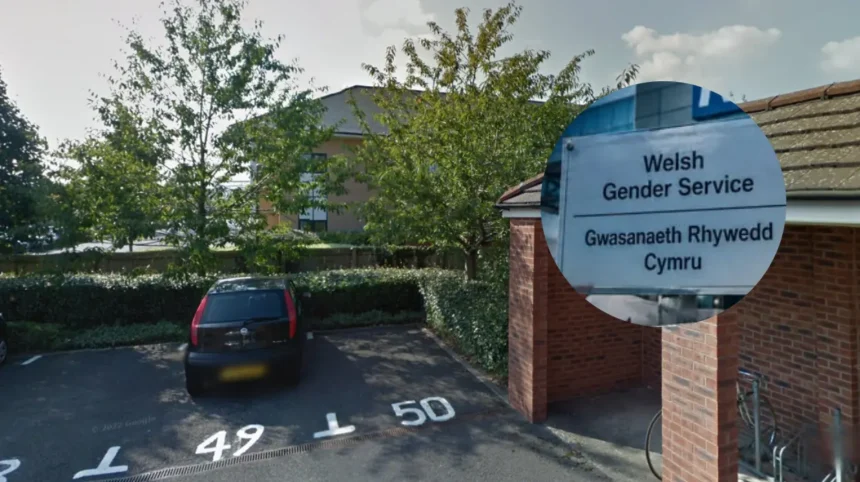
Wales (Wales Times) August 29, 2026 – NHS gender clinic has suspended all gender-affirming surgeries and paused new surgical referrals after health commissioners raised concerns about significantly higher referral rates and aspects of the clinic’s assessment processes. The Welsh Gender Service (WGS), based at St David’s Hospital in uk/local/cardiff/">Cardiff and run by Cardiff and Vale University Health Board, was designated a “potential service of concern” by NHS Wales last week, prompting the NHS Wales Joint Commissioning Committee (NWJCC) to order an immediate pause while an independent clinical review is undertaken.
- Key Points
- What surgeries have been paused and what continues?
- Why were operations cancelled at the Welsh Gender Service?
- How have patients and politicians reacted?
- What is the independent clinical review expected to cover?
- Background of the particular development
- Prediction: How this development can affect patients and commissioners
What surgeries have been paused and what continues?
The suspension applies specifically to referrals for gender-affirming surgery, surgical assessments and operations that had already been scheduled, including feminising or masculinising genital surgery and gender-related cosmetic chest surgery such as double mastectomies. As reported by The Telegraph, the NWJCC instructed Cardiff and Vale University Health Board to “pause referrals for gender affirming surgery and scheduled surgeries through the Welsh Gender Service while an independent clinical review is undertaken”.
Other elements of care provided by the Welsh Gender Service remain operational. David Fluck, executive medical director at Cardiff and Vale University Health Board, confirmed that hormone therapy support, endocrine review, psychological support services and speech and language therapy continue unaffected by the decision. The health board has advised patients with scheduled non-surgical appointments to continue attending for discussions around next steps and ongoing support.
Why were operations cancelled at the Welsh Gender Service?
Concerns arose from 2025–26 referral data indicating “significantly higher rates of referral for gender affirming surgery from the Welsh Gender Service compared with English gender services”, according to a statement from Cardiff and Vale University Health Board cited by the BBC. In addition, the board said “concerns were raised regarding aspects of referral and assessment processes”.
Analysis of data obtained under freedom of information requests shows the rate of referral for gender surgery in Wales last year was nearly four times as high as in England. Freedom of information data from 2025 indicates an average of 13 individuals per 100,000 were referred for gender surgery in Wales, compared with three per 100,000 in England and up to four in Scotland. Roughly 17 per cent of the approximately 4,900 gender-related surgical referrals made across the UK during 2024 and 2025 originated from the Welsh Gender Service, despite Wales comprising fewer than five per cent of the UK population.
Freelance journalist Nick Wallis, whose FOI analysis was reported by Nation.Cymru, calculated that in 2025 the Welsh Gender Service referred 207 patients for masculinising chest surgery, accounting for around 16 per cent of confirmed UK NHS referrals while Wales has around 4.6 per cent of the UK population.
How have patients and politicians reacted?
Some patients received notification of cancellations shortly before their procedures. As reported by The Telegraph, one message on the TransgenderUK page of Reddit stated:
“My partner’s top surgery [to remove breasts] was cancelled with less than 12 hours warning. We’re devastated. We had accommodation booked and medical leave arranged and everything”.
Another user wrote:
“Girlfriend just had a call to cancel her surgery. It was tomorrow. Everyone is cancelled no matter how far along you got”.
Welsh Conservatives have called for a full independent review of the clinic. Natasha Asghar, the party’s health spokeswoman, told The Times: “Before anyone undergoes an irreversible procedure, we need to be absolutely confident that the system is asking the right questions and putting patients’ long-term interests first”. As reported by GB News, Ms Asghar added: “When one service is referring people for irreversible procedures at three or four times the UK average, there has to be proper scrutiny of why that is happening”.
The NWJCC described the suspension as a “precautionary and clinically-led step to ensure that referrals for gender surgery are supported by robust quality, safety and clinical governance arrangements”.
What is the independent clinical review expected to cover?
The independent clinical review will examine assessment, referral and governance arrangements at the Welsh Gender Service to provide assurance about the integrity of its processes. Cardiff and Vale University Health Board said the review aims to ensure that referrals for gender surgery are supported by robust quality, safety and clinical governance arrangements.
A report to NHS Wales’ Quality, Safety and Outcomes Sub-Committee noted that the service
“is currently under consideration as a potential Service of Concern, reflecting issues identified through ongoing review and assurance processes”
. The review is expected to conclude by the end of 2026, with recommendations to follow in 2027.
Background of the particular development
The Welsh Gender Service was established in 2019 as the only NHS gender identity clinic providing specialist care and support for adults in Wales, referring patients to England for surgery. Concerns about its referral rates emerged publicly in mid-2026, with the Welsh Conservatives calling for an inquiry in June after data suggested the service referred between three and four times the number of people for irreversible gender surgery than the UK average.
In August 2026, NHS Wales designated the service a “potential service of concern” due to “higher rates of surgical referral than seen in comparable services in England and concerns regarding referral appropriateness”. The NWJCC met on Monday, August 24, to discuss the matter, and by Friday the decision had been taken to suspend all procedures pending the independent clinical review.
The pause occurs against a backdrop of heightened scrutiny of gender services across the UK following the Cass review into NHS gender identity services for children and young people, which recommended that patients be screened for neurodevelopmental conditions such as autism. A ban on prescribing puberty blockers to under-18s applies across the UK, though a High Court ruling this summer allowed a clinical trial to recruit more than 220 children aged between 11 and 16.
Prediction: How this development can affect patients and commissioners
Patients awaiting surgery face extended waits and potential disruption to personal and work commitments, while those in earlier stages of the pathway may experience heightened uncertainty about eligibility and timelines. For commissioners and health boards, the review’s findings could reshape referral criteria, governance requirements and oversight mechanisms for adult gender services in Wales, with possible knock-on effects for how similar services are commissioned and monitored across the UK.
The suspension is likely to create uncertainty and anxiety for patients awaiting gender-affirming surgery, particularly those who had travel, accommodation and medical leave arranged. Delays may increase as the independent review proceeds through to the end of 2026, with recommendations not expected until 2027. For some, the pause could mean waiting many additional months for procedures that were already scheduled.
For the wider NHS, the development may prompt closer scrutiny of referral practices at other gender services and could lead to more standardised thresholds for surgical referrals across the UK. If the review identifies weaknesses in assessment or governance, it may result in revised protocols that affect how adult gender services operate in Wales and potentially influence commissioning decisions elsewhere. Conversely, if the review finds referral practices appropriate, it could reinforce the case for maintaining current pathways while addressing capacity constraints that contribute to long waiting times.