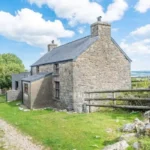

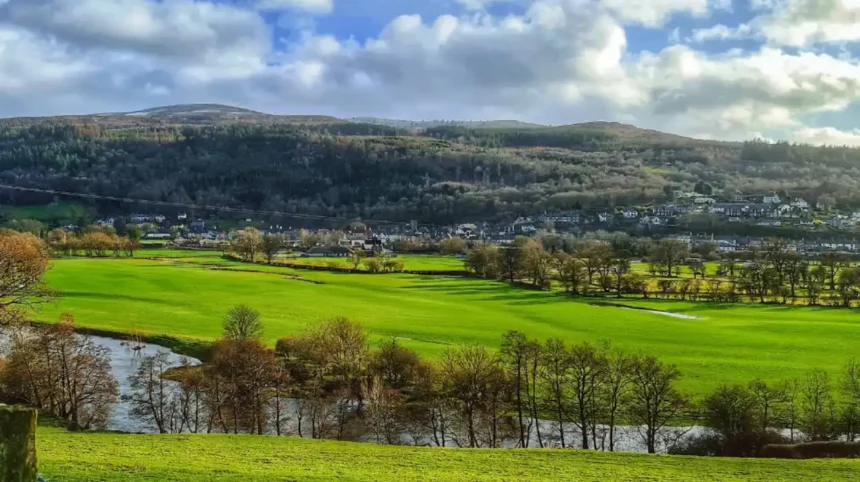
Corwen is a historic market town located in the county of Denbighshire, North Wales, positioned along the River Dee at the edge of the Berwyn Mountains. It serves as a vital gateway connecting North East Wales to the rural western regions, historically earned the title of the Crossroads of North Wales.
- Who Was Owain Glyndwr and What Is His Legacy in Corwen Wales?
- How Has Transport and Infrastructure Developed in Corwen Wales over Time?
- What Are the Main Landmarks and Architectural Attractions in Corwen Wales?
- What Is the Current Economic and Demographic Profile of Corwen Wales?
- How Does the Natural Environment and Outdoor Recreation Flourish in Corwen Wales?
- Frequently Asked Questions
The geographic coordinates of Corwen place it at approximately fifty-three degrees north latitude and three degrees west longitude, situated within the Dee Valley Area of Outstanding Natural Beauty. Historically, the area was populated by Celtic tribes before Roman forces established roads and military settlements across the Dee region. During the medieval period, the town developed around St Mael and St Sulien parish church, which was originally established in the sixth century as a religious center. The strategic placement along natural valley paths allowed Corwen to grow into a primary livestock driving hub during the eighteenth century, facilitating trade between Welsh farms and English market locations.
Drovers transported cattle, sheep, and pigs along designated tracks through the town, establishing inn networks and agricultural infrastructure that shaped local economic activity. The town underwent further structural modernization in the early nineteenth century when engineer Thomas Telford designed the A5 London to Holyhead trunk road through Corwen. This development converted the location into a core staging post for mail coaches and stagecoach transport, supporting local taverns and blacksmith operations. Today, Corwen remains an administrative and residential community within Denbighshire, preserving ancient monuments and medieval infrastructure alongside modern regional transit links.
Who Was Owain Glyndwr and What Is His Legacy in Corwen Wales?
Owain Glyndwr was a Welsh prince and military leader who led a nationwide rebellion against English rule under King Henry IV in the early fifteenth century. His ancestral estates were based nearby in Glyndyfrdwy, making Corwen the geographic heart of his initial uprising in September fourteen hundred.
The local historical landscape contains numerous sites directly linked to Owain Glyndwr, who is celebrated as the last native Welshman to hold the title Prince of Wales. In fourteen hundred, Glyndwr declared his sovereignty near Corwen after property disputes with neighboring English barons escalated into open warfare across Wales. A life-size bronze statue of Owain Glyndwr mounted on a warhorse stands prominently in the central town square, dedicated in two thousand and seven to commemorate his rebellion. Located on the hillside overlooking the town, the ancient site known as Glyndwr Mount marks the earthen remains of a motte fortress associated with his family lineage.
Local folklore records that Glyndwr threw his dagger from the ridge above the town, leaving a dagger-shaped impression on the stone doorway of St Mael and St Sulien Church. The annual Owain Glyndwr Festival takes place in and around Corwen every September, featuring historical reenactments, traditional music performances, and educational lectures on medieval Welsh governance. Historians study Corwen as a vital research location for medieval military strategy due to its natural defensive topography and proximity to historical battlefields. The legacy of Glyndwr continues to drive tourism and cultural preservation initiatives throughout the Dee Valley community.
How Has Transport and Infrastructure Developed in Corwen Wales over Time?
Transport infrastructure in Corwen evolved from prehistoric river crossings and medieval drovers routes into nineteenth-century coach corridors and steam railway networks. Today, modern road connections and historic rail restorations provide essential accessibility for residents, commuters, and regional tourists.
The transformation of transport networks in Corwen began with the construction of the A5 road under the direction of civil engineer Thomas Telford between eighteen fifteen and eighteen twenty-six. Telford constructed the iconic Corwen Bridge over the River Dee, enabling reliable year-round transit for heavy mail coaches travelling between England and Ireland via Holyhead. In eighteen sixty-four, the Denbigh, Ruthin and Corwen Railway reached the town, followed quickly by the Great Western Railway branch line from Llangollen in eighteen sixty-five. These rail systems enabled rapid bulk transport of agricultural livestock, slate, and timber while bringing industrial-era visitors directly into the Dee Valley.
Passenger services ceased operation in nineteen sixty-four following national rail restructuring under the Beeching cuts, which temporarily removed rail access from the community. A major revival project led by the Llangollen Railway Trust resulted in the construction of a new railway terminal in Corwen, opening fully for heritage steam passenger traffic in two thousand and twenty-three. Modern road transit relies primarily on the junction of the A5 and the A494, connecting the town directly to Ruthin, Chester, and Snowdonia National Park. Public transit infrastructure includes regional bus services managed by Denbighshire County Council, supporting regional workforce mobility and access to educational institutions.
What Are the Main Landmarks and Architectural Attractions in Corwen Wales?
The primary architectural and historical landmarks in Corwen include the sixth-century Church of St Mael and St Sulien, the Corwen Manor House, and nearby ancient hillforts. These structures exhibit stone masonry styles spanning early Christian, medieval, Georgian, and Victorian construction eras.
The Church of St Mael and St Sulien features Norman and medieval stone craftsmanship, housing a ninth-century monolithic cross shaft known as the Corwen Stone within its churchyard walls. Inside the church sanctuary sits an ornate fourteenth-century priest’s effigy carved from local stone, alongside stained glass installations depicting early Celtic saints. Located on the high ridge above the town, Caer Drewyn is an exceptional iron age hillfort enclosing an area of approximately eight acres with massive drystone ramparts. Archaeological evaluations indicate that Caer Drewyn was constructed around six hundred BC and was used continuously for tribal defense and livestock protection through the Roman occupation.
The Corwen Workhouse, erected in eighteen forty, stands as an intact example of Victorian municipal architecture built to accommodate impoverished families under the Poor Law Amendment Act. The Capel R标志 historical chapel buildings scattered throughout the town center reflect nineteenth-century Welsh nonconformist architectural heritage with classic slate roofing and symmetrical stone facades. Modern preservation orders protect these historic properties from unauthorized alterations, maintaining the visual historical aesthetic of the town center. Visitors explore these sites using designated heritage walking trails established by local conservation trusts and municipal tourism authorities.
What Is the Current Economic and Demographic Profile of Corwen Wales?
Corwen functions as a rural service town with an economy centered around manufacturing, agriculture, tourism, retail, and public administration services. The resident population according to modern official census statistics stands at approximately two thousand three hundred individuals.
Demographic analysis reveals a stable population structure with a significant proportion of Welsh speakers, reflecting strong cultural continuity within Denbighshire. According to statutory census records, over forty percent of Corwen residents possess Welsh language fluency, exceeding national average statistics for Wales. The local economy relies on light engineering, timber processing, and food production businesses operating out of industrial parks located on the outskirts of town. Agriculture remains a dominant land-use sector across the surrounding countryside, specializing in upland sheep farming and beef cattle production.
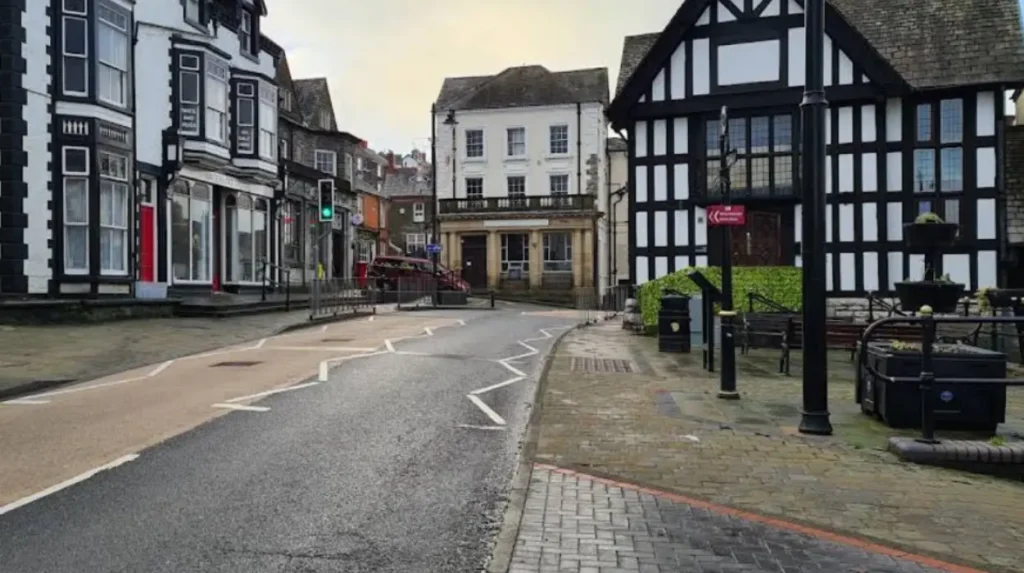
Tourism revenue has expanded continuously following the restoration of the heritage steam railway link and the extension of regional hiking infrastructure. Retail activity concentrates along London Road and the square, featuring independent bakeries, traditional butchers, craft stores, and hospitality venues. The local housing stock comprises historic stone cottages, Victorian terraced houses, and mid-twentieth-century residential housing developments designed to accommodate local families. Municipal services, primary education facilities, and health clinics are administered by the local health board and Denbighshire County Council, supporting community wellbeing.
How Does the Natural Environment and Outdoor Recreation Flourish in Corwen Wales?
The natural environment of Corwen is defined by river valley ecosystems, dense woodlands, and upland heather moorlands managed within national conservation frameworks. Outdoor recreation includes long-distance hiking, river fishing, mountain biking, and wildlife observation across diverse habitats.
Corwen is bounded by the River Dee, a designated Site of Special Scientific Interest that supports salmon, sea trout, and otter populations within clean water systems. The nearby Clocaenog Forest covers over forty square miles, providing protected habitats for native red squirrels, black grouse, and rare moss species. Outdoor enthusiasts utilize Corwen as a starting point for hiking the Dee Valley Way and the Clwydian Range Trail, which connect directly to Offa’s Dyke Path.
The Berwyn Mountain Range rises south of the town, offering challenging high-altitude terrain for mountaineers climbing peaks such as Cadair Berwyn and Moel Sych. Kayaking and canoeing enthusiasts navigate the white-water sections of the River Dee, while licensed angling clubs manage sustainable fly fishing activities along designated bank stretches. The regional microclimate experiences moderate Atlantic weather patterns with average annual rainfall supporting rich agricultural soil and ancient deciduous forestry. Environmental protection policies overseen by Natural Resources Wales balance agricultural productivity with habitat restoration and sustainable tourist access. Walking groups and nature conservation charities actively maintain public footpaths, stone stiles, and directional signage to ensure safe recreational access year-round.
Frequently Asked Questions
What is Corwen in North Wales famous for?
Corwen is historically famous as the crossroads of North Wales and the home base of Prince Owain Glyndwr, who launched his rebellion against English rule there in fourteen hundred. It is also celebrated for its restored steam railway, ancient iron age hillforts, and traditional Welsh drovers roads.
Is Corwen Wales worth visiting for a day trip?
Yes, Corwen is worth visiting for travelers interested in Welsh history, scenic river valleys, and historic steam trains. Visitors can explore the ancient church, view the Owain Glyndwr statue, ride the heritage railway, and hike up to the Caer Drewyn hillfort within a single day.
How do you get to Corwen Wales using public transport?
You can reach Corwen by taking regional bus lines from uk/local/wrexham/">Wrexham, Barmouth, or Ruthin, or by riding the heritage steam railway directly from Llangollen. The nearest major national rail stations are located at Ruabon and Wrexham, which offer connecting bus services directly to Corwen town center.
Can you walk to Caer Drewyn hillfort from Corwen town center?
Yes, Caer Drewyn hillfort is accessible via a marked walking trail starting directly from the center of Corwen. The uphill trek takes approximately thirty to forty-five minutes and offers panoramic views of the River Dee and surrounding Berwyn Mountains.
What language is spoken in Corwen Wales?
Both Welsh and English are spoken fluently throughout Corwen, with over forty percent of the local population speaking Welsh in daily life. All public signage, official municipal services, and educational programs operate bilingually across the region.