

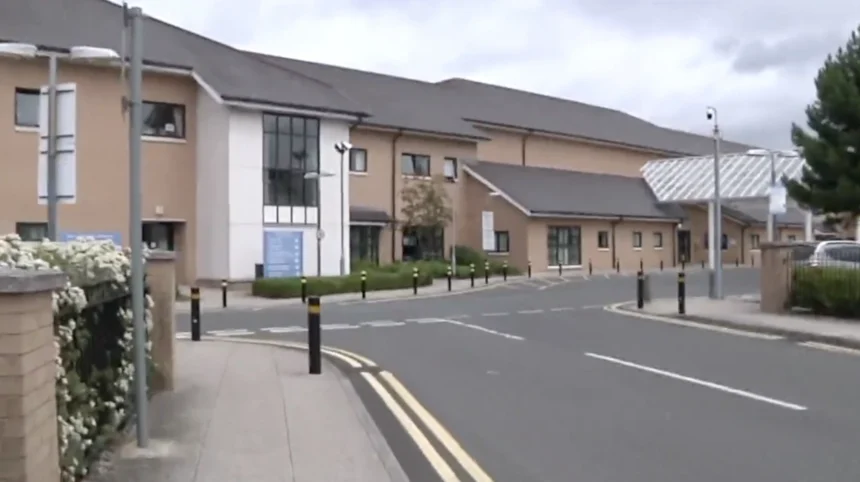
Wales’ only transgender health clinic, based at St David’s Hospital in uk/local/cardiff/">Cardiff, has suspended all referrals and gender-affirming surgeries following an “independent clinical review”, the Cardiff and Vale University Health Board has confirmed. This pause was introduced on the 24th of August after the NHS Wales Joint Commissioning Committee’s quality, safety and outcomes committee escalated the service to a level 3 – a designation used when significant concerns have been identified that require closer monitoring, heightened oversight and formal improvement measures across the NHS.
What Is Affected?
During this pause, gender-affirming surgeries and referrals for gender affirming surgeries have been paused by the hospital. This means that no new patients can be assessed or put forward for operative treatments and those that are already in the system will not progress onto surgery until the review is complete. The halt affects individuals at every stage of the surgical process, from initial referral through to pre‑operative preparation, leaving many patients uncertain about when or if their procedures will be rescheduled.
What Isn’t Affected?
Despite the pause affecting several parts of the gender‑affirming care pathway, not all services have stopped. Key areas of support remain fully operational, including hormone therapy, endocrine review services, psychological support, and speech and language therapy. These elements of the Welsh Gender Service continue to run as normal and are not impacted by the current suspension. For many patients, they represent crucial ongoing sources of care and stability at a time when surgical progress has been abruptly halted.
Transgender Patients Impacted by the Pause
The sudden suspension of gender‑affirming surgeries has had a significant impact on transgender patients across Wales, many of whom have already endured years‑long waits for specialist care. Several individuals had their operations cancelled while they were already in hospital preparing for surgery, leaving them distressed, frustrated, and uncertain about when their treatment might resume.
For those still in earlier stages of the pathway, the pause means no new referrals can be made and existing cases will not progress, extending waiting times that were already considered among the longest in the UK. Patients who have spent months or years navigating assessments, consultations, and pre‑operative requirements now face an indefinite delay, with no timeline provided for when surgical services may restart.
Advocacy groups have warned that the disruption could exacerbate feelings of isolation and anxiety among transgender people, particularly those who rely on clear treatment milestones to maintain a sense of stability and hope. While non‑surgical services remain available, the halt to surgical care represents a major setback for individuals who have been preparing for life‑changing procedures.
Mixed Political Responses
The decision to pause gender‑affirming surgeries has prompted a mixed political response across Wales. Politicians from Reform UK and the Conservative Party have welcomed the move, arguing that the independent review is necessary to ensure clinical consistency, safeguard patient welfare, and address concerns raised in the referral data. Their support reflects broader calls within both parties for increased scrutiny of gender‑affirming healthcare pathways.
In contrast, Plaid Cymru has criticised the suspension, urging the Welsh Government and health board to reverse the decision. The party has used its social media platforms to highlight the impact on transgender people who have already faced prolonged waiting times and significant barriers to accessing care. Plaid representatives have warned that the pause risks deepening inequalities and undermining trust in gender‑affirming services at a time when many patients are already experiencing distress and uncertainty.