
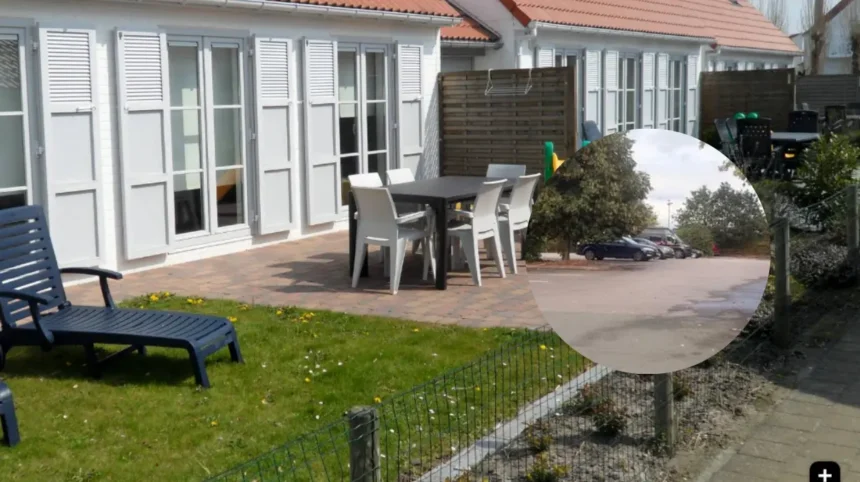
North Wales is abuzz with a local councilor’s claim that a seaside village, Rhosneigr (and neighboring Llanfaelog), has been taken over by outsiders. The veteran politician Robert Llewelyn-Jones, raised his concern when the council gathered to decide whether owners Gillian and Richard Jones could keep using their small outbuilding, called The Hoot, as a holiday let.
He believed that the influx of tourists had made the people forget their Welsh language. He said people don’t speak the Welsh language in shops and cafes. “The place has changed, transformed; it’s been taken over by outsiders,” he said. However, his fellow councilor, Douglas Fowlie, rejected his comments. He said it was disappointing and unfair. Other councilors also disagreed with him. They turned it down, noting that local traders still speak Welsh and that tourism brings much-needed money to the island.
The Truth behind the Councilor’s Claim
In view of the above debate, we decided to explore the truth behind the councilor’s comments. Here’s what we came to know –
- High Holiday Home Density: Official planning data backs up his worries about housing. It reveals that holiday accommodations make up 37.49% of the Llanfaelog area. It is well above safe guidelines.
- Real Housing Pressures: Studies on rural coastal economies show that a massive concentration of holiday lets and out-of-town buyers drives up property prices, making it very difficult for young local families to purchase homes.
- Tangible Cultural Shifts: Planners note that high visitor density naturally changes the feel of a village, transforming permanent communities into seasonal hubs that stand quiet during winter months.
- Active Use of Welsh: Other local representatives strongly pushed back against the claim that Welsh has vanished, pointing out that local shopkeepers, residents, and trade workers still actively speak Welsh in their daily routines.
- Seasonal Cultural Shifts: The underlying anxiety stems from tourism booms; when thousands of seasonal visitors arrive for a few months, the visible and audible presence of local culture can get temporarily drowned out by outsiders.
- Economic Versus Cultural Survival: While longtime residents strive to keep their traditions alive, the influx of outside wealth and holiday properties creates economic pressures that make it harder for native-speaking families to stay rooted in the area.
- Loss of Everyday Essentials: Traditional shops that sell daily necessities to permanent residents are often replaced by souvenir and gift boutiques tailored entirely to short-term vacationers.
- Winter Ghost Towns: Because these tourist shops and holiday lets only make money during the warm summer months, the entire village frequently turns into a quiet, empty ghost town once winter arrives.
Rhosneigr: A Captivating Tourist Attraction!
Rhosneigr is famous for its two expansive, award-winning sandy beaches: Traeth Crigyll to the north and Traeth Llydan to the south. Backed by grand dunes and rugged rocky outcrops, the coastline looks over the sparkling, untamed waters of the Irish Sea.
The Anglesey Coastal Path renders the walkers panoramic views of distant mountains, hidden coves like Cable Bay (Porth Trecastell), and crashing surf. Naturally, its spellbinding locales attract tourists like no other!
While we understand the benefits of tourism for these beautiful villages, we cannot ignore the significance of the issue raised by veteran politician Robert Llewelyn-Jones. The natives of the village may not have forgotten the Welsh language, but mesmerizing tourist attractions such as Rhosneigr and other villages need to safeguard their culture and ethnicity.
A Few Suggestions to protect the Ethnicity!
Here are a few suggestions to help protect the village from getting swept into the
sea of tourists and, at the same time, keep our tourism industry growing –
- Strict Limits on Holiday Lets: Local governments can enforce strict planning caps on second homes and short-term rentals, ensuring enough housing remains available for permanent residents.
- Support for Essential Businesses: Councils can offer financial grants and tax relief to shops that sell everyday goods to locals, protecting traditional businesses from turning into tourist souvenir stores.
- Prioritizing Local Housing: Authorities can build affordable homes specifically reserved for local families, helping native residents stay in their hometowns rather than getting priced out.
- Protecting the Local Language: Communities can invest in bilingual education, cultural events, and community centers that actively encourage the daily use of the Welsh language.
- Sustainable Tourism Rules: Instead of mass tourism, towns can promote eco-friendly, year-round tourism that respects local culture and provides steady jobs without overwhelming infrastructure.
Tourist attractions are always at risk of being overwhelmed by tourists, and the risk is greater in small places. Rhosneigr is a beautiful place, away from the crowd and the hustle and bustle of the city. It is a tourist favorite indeed! We must make efforts to safeguard its ethnicity. After all, the real beauty lies in the uniqueness. So rather than transforming a place, let us transform our perspective and embrace Rhosneigr as it is!