
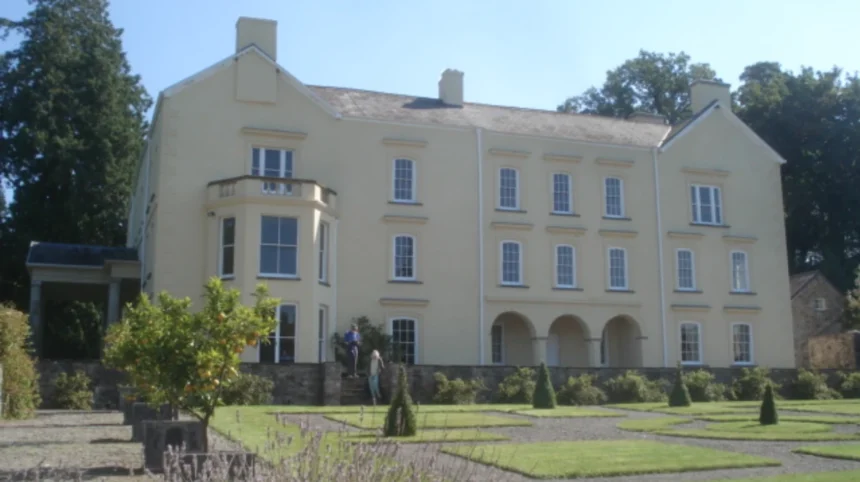
Aberglasney Gardens represents a major historic estate located in the Tywi Valley of Carmarthenshire, Wales, operating as a renowned public botanical attraction and garden restoration project. The site spans ten acres of restored gardens surrounding a medieval and Elizabethan mansion house, showcasing architectural styles that date back multiple centuries. Horticultural administration manages thousands of plant species across distinct garden rooms, walled enclosures, and woodland walks to maintain botanical diversity.
- How Did the Historical Timeline Shape the Estate?
- What Are the Core Structural Components of Aberglasney Gardens?
- How Do Horticultural Maintenance Processes Support Plant Diversity?
- What Real World Examples Demonstrate Successful Horticultural Curation?
- What Data and Research Metrics Define the Impact of the Gardens?
- What Are the Broader Implications of Historic Garden Restoration?
- Frequently Asked Questions
- What are the opening times and admission fees for Aberglasney Gardens?
- Are dogs permitted within the grounds of Aberglasney Gardens?
- Is wheelchair access available across the entire Aberglasney Gardens estate?
- Can visitors purchase plants seen growing within the gardens?
- Where can visitors park vehicles when visiting Aberglasney Gardens?
Scientific conservation efforts focus on rare flora preservation, ecological balance, and climate adaptation strategies tailored to the western maritime climate of the United Kingdom. Educational programs provide public instruction on historic landscape management, organic gardening techniques, and botanical taxonomy for visiting researchers and amateur gardeners alike. Visitor infrastructure includes a restored tearoom, plant sales area, and art galleries that generate operational revenue to support ongoing structural maintenance and horticultural research.
How Did the Historical Timeline Shape the Estate?
The historical timeline of the estate encompasses multiple periods of ownership, architectural alteration, and eventual architectural decline before its twentieth century public rescue. Early historical records trace the site back to the fifth century as a religious settlement associated with Saint Gwynog before secular ownership emerged. The Rudman and Dyer families held prominent positions during the medieval and Tudor eras, constructing the core stone structures that still define the central mansion. Subsequent centuries witnessed various additions, including Georgian facades and Victorian service wings, reflecting the changing aesthetic preferences of wealthy British landowners. Economic pressures following the twentieth century world wars forced the estate into a prolonged period of abandonment and roofless ruin. Local preservationists and the Aberglasney Restoration Trust intervened in 1995 to purchase the derelict property and initiate a multi million pound stabilization and replanting initiative.
What Are the Core Structural Components of Aberglasney Gardens?
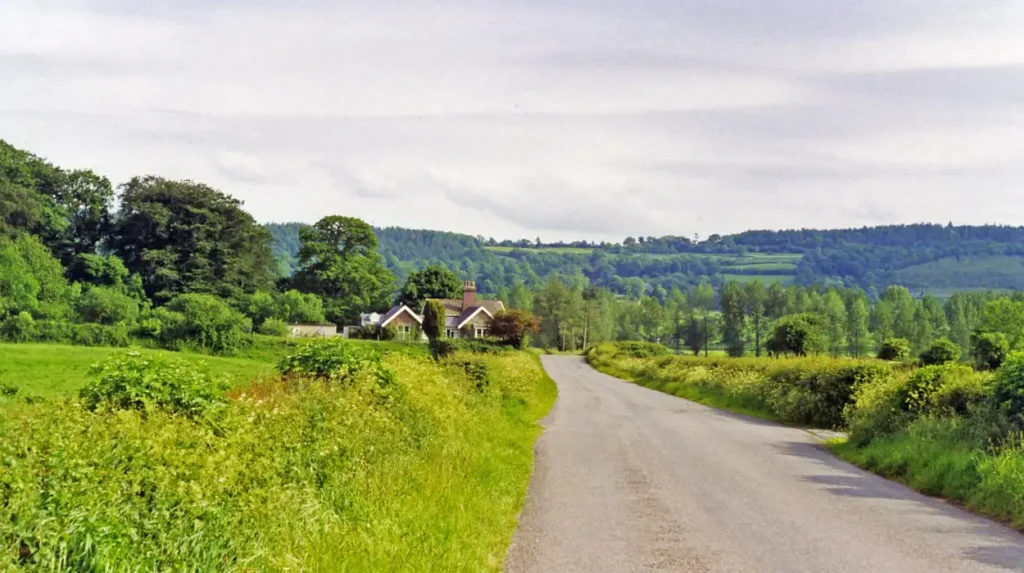
Structural components of the estate incorporate specialized microclimates created by high stone walls, sunken gardens, and mature woodland canopies that shield delicate specimens. The Elizabethan walled garden stands as one of the oldest surviving features, utilizing high masonry boundaries to trap solar heat and protect tender exotic plants. The cloister garden features a Grade II listed arcade of medieval arches framing open lawns and perennial borders designed for year round visual interest. Stream corridors and wetland zones support native amphibians and moisture loving marginal plants within the lower sections of the property adjacent to regional waterways. Terraced walks provide elevated viewing platforms overlooking the wider Tywi Valley agricultural landscape, connecting formal garden rooms with naturalistic woodland trails.
How Do Horticultural Maintenance Processes Support Plant Diversity?
Horticultural maintenance processes rely on sustainable soil management, organic pest control methods, and water conservation infrastructure to support thousands of diverse plant taxa across varying soil profiles. Soil testing regimes determine organic matter requirements, prompting the application of composted green waste and farmyard manures to enhance microbial activity and nutrient retention. Pruning schedules follow strict seasonal guidelines to encourage robust flowering and prevent disease transmission among heritage rose collections and rare shrub species. Irrigation systems utilize harvested rainwater collected from large mansion roof surfaces to irrigate greenhouse collections during dry summer periods without depleting municipal supplies. Propagation units managed by resident horticulturists produce replacement specimens for display beds and conduct trials on disease resistant cultivars suitable for Welsh weather conditions.
What Real World Examples Demonstrate Successful Horticultural Curation?
Real world examples of successful horticultural curation include the collection of ancient magnolias, national collections of specific plant genera, and specialized shade loving woodland plantings beneath ancient oaks. The mature Magnolia grandiflora specimens produce large fragrant blooms each summer, drawing botanical tourists from across the United Kingdom during peak flowering periods. Shade gardens utilize native ferns, hostas, and hellebores to create lush tapestries beneath forest canopies where direct sunlight remains limited throughout the growing season. Herbaceous borders feature carefully curated color schemes that transition from cool blues and whites in spring to vibrant warm tones during late summer months.
What Data and Research Metrics Define the Impact of the Gardens?
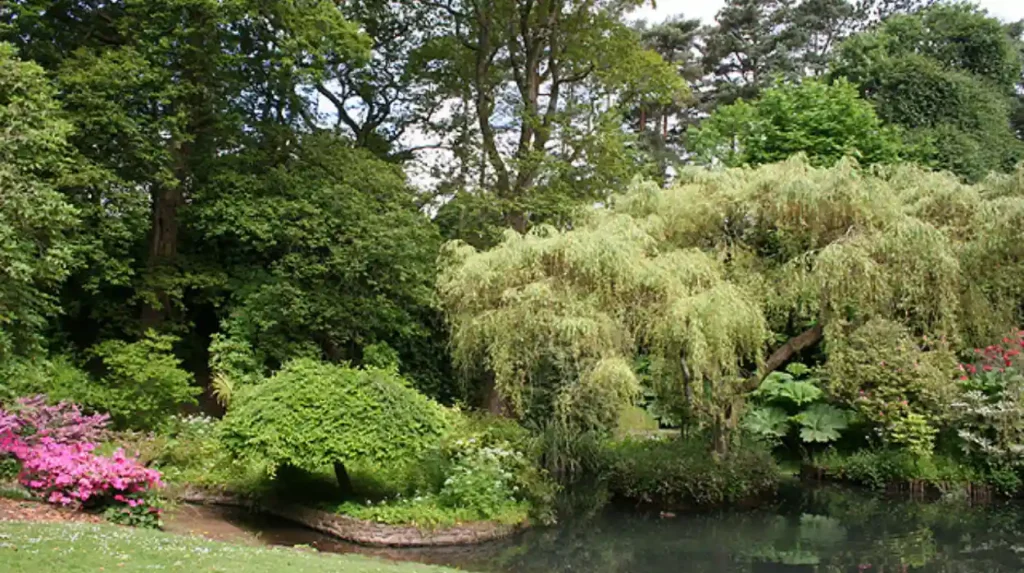
Data and research metrics compiled by the garden management indicate annual visitor numbers exceeding one hundred thousand individuals, contributing significantly to the regional tourism economy of Carmarthenshire. Economic impact assessments demonstrate that heritage attractions generate millions of pounds in indirect spending for local hospitality, accommodation, and transport providers within rural Wales. Botanical surveys document over four thousand distinct plant varieties cultivated across the site, establishing the estate as a valuable repository for ex situ plant conservation. Research partnerships with university agriculture departments facilitate ongoing studies regarding plant hardiness, pest migration patterns, and sustainable landscape maintenance practices in changing climates.
What Are the Broader Implications of Historic Garden Restoration?
The broader implications of historic garden restoration extend into cultural heritage preservation, rural economic development, and the safeguarding of botanical biodiversity against environmental degradation. Preserving historic estates maintains tangible links to architectural and agricultural traditions that might otherwise vanish through industrial development and modern real estate expansion. Public engagement initiatives foster environmental awareness among younger demographics, encouraging broader community participation in conservation volunteering and domestic wildlife gardening. Future developments focus on expanding renewable energy utilization, enhancing digital interpretation resources for international visitors, and strengthening international networks for rare plant preservation.
Frequently Asked Questions
What are the opening times and admission fees for Aberglasney Gardens?
Aberglasney Gardens opens daily to the public from ten o’clock in the morning until six o’clock in the evening throughout the year. Standard adult admission charges apply, while children under a certain age and registered members enjoy complimentary entry privileges. Seasonal ticket variations occasionally occur during winter months or special horticultural event weekends across the calendar year.
Are dogs permitted within the grounds of Aberglasney Gardens?
Dogs are welcome in designated outdoor areas of the estate provided they remain on short leads at all times under owner control. Assistance dogs are permitted in all indoor facilities, including the tearoom, ticket office, and art galleries. Visitors must clean up after their pets using provided waste disposal stations located near the primary entrance parking zone.
Is wheelchair access available across the entire Aberglasney Gardens estate?
Main pathways throughout the formal walled gardens and tearoom feature smooth, accessible surfaces suitable for wheelchair users and mobility scooters. Certain historic woodland walks and steep terraced paths contain uneven stone steps and gravel slopes that present navigation challenges for visitors with limited mobility. Complimentary wheelchair loans are available at the main visitor reception desk on a first come basis.
Can visitors purchase plants seen growing within the gardens?
A dedicated plant sales area operates adjacent to the main exit, offering a wide selection of herbaceous perennials, shrubs, and rare specimens. Many of the plants available for purchase are propagated directly from stock grown within the estate grounds by professional horticulturists. Expert staff members remain on site to provide cultivation advice and planting recommendations for domestic gardens.
Where can visitors park vehicles when visiting Aberglasney Gardens?
A large dedicated car parking facility operates directly outside the main visitor center, providing ample spaces for cars and tour buses. Parking is entirely free of charge for all ticket holding visitors accessing the estate during normal operational hours. Electric vehicle charging points are installed within the primary parking area to support sustainable transport initiatives.