

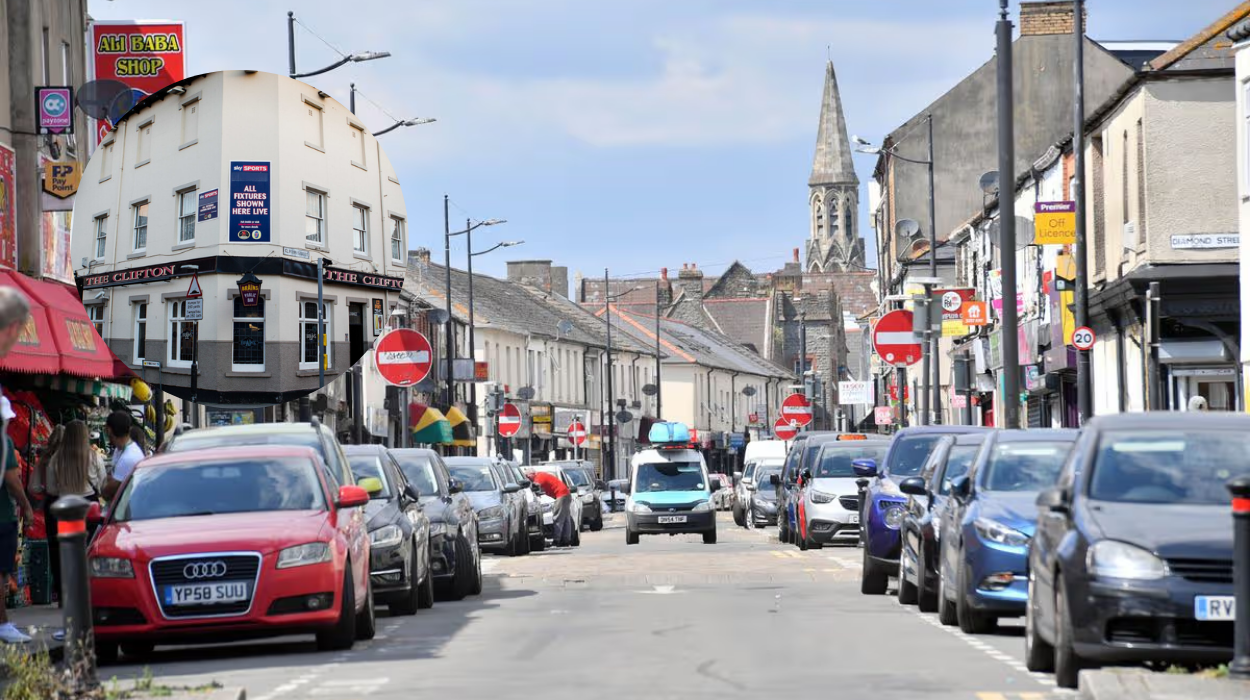
Adamsdown is one of Cardiff’s most historic inner‑city districts, sitting just east of the city centre yet often overlooked compared with more famous neighbours like Roath and Cardiff Bay. For readers of The Wales Times, Adamsdown offers a compelling micro‑story of modern Wales: from medieval pasture linked to Cardiff Castle to a densely populated, diverse community at the heart of a growing capital city.
Today, Adamsdown combines affordable housing, significant public institutions, strong transport connections and a young, multicultural population, making it an area of strategic importance in debates about urban regeneration, housing policy and community life in Wales. Its story is both intensely local and broadly representative of the social and economic transformations reshaping Welsh cities in the twenty‑first century.
Where Is Adamsdown? Setting And Boundaries
Adamsdown is an inner‑city community in the south of Cardiff, lying between Newport Road to the north and the mainline railway to the south. It is within walking distance of Cardiff’s commercial core, with the city centre typically around ten minutes away on foot via routes such as Newport Road and nearby streets leading into Queen Street.
To the south and east, Adamsdown blurs into Splott and the historic East Moors area, while to the north and west it borders Roath and the city centre, creating a continuous urban landscape that links residential streets with major civic, commercial and transport hubs. This location gives residents quick access to central Cardiff’s jobs, education and culture while maintaining a distinct neighbourhood identity defined by its grid of Victorian and later terraced streets.
Medieval Origins: From Castle Downs To Urban Cardiff
In medieval times, Adamsdown lay just outside the east walls of Cardiff and was owned by the lords of Glamorgan, forming part of the rural hinterland serving the town and its castle. Historical research indicates that the name may derive from Adam Kyngot (also recorded as Kygnot), a porter and gatekeeper of Cardiff Castle mentioned in the municipal charter of 1331, who is thought to have been granted rights over the “downs” east of the town.
The Welsh name Waunadda combines (g)waun (meaning a heath or down) with Adda, the Welsh form of Adam, echoing this link between an individual landholder and the gently undulating pasture that once stretched across what is now a dense urban ward. Early estate maps, including the Bute Estate plan of 1824, show the Adamsdown estate extending southwards towards the Bristol Channel and encompassing land that would later become heavily industrialised East Moors, underlining how large and strategically located the holding once was.
Victorian Transformation: Prisons, Hospitals And Terraces
The nineteenth century reshaped Adamsdown from open land into an urban district central to Cardiff’s growth as an industrial port. A new county prison opened in Adamsdown in 1832, symbolising the area’s emergence as a site for major civic infrastructure on the edge of the expanding town.
In 1848 the Marquess of Bute, whose family estates dominated much of Cardiff’s development, donated two acres of land in Adamsdown for use as a public cemetery; a devastating cholera outbreak soon after meant that this burial ground became overcrowded within a year, illustrating both the city’s rapid growth and its public health challenges. Later, in 1948, the cemetery was converted into a park and many of the original headstones were preserved and re‑erected against the inside of the park walls, creating a layered landscape of remembrance and recreation.
Healthcare infrastructure followed: in 1884 the South Wales and Monmouthshire Infirmary opened in Adamsdown, later becoming the Cardiff Royal Infirmary in 1923. For much of the twentieth century this institution provided key inner‑city medical services until its closure in 1999, a decision that attracted significant local opposition because of the hospital’s symbolic and practical importance to nearby communities.
As industrial Cardiff boomed, the northern part of Adamsdown was intensively built up with Victorian terraces and civic spaces; a Board School was constructed in Adamsdown Square in 1875, and plans for housing on streets such as Galston Street and West Luton Place were submitted from the mid‑1870s onwards. By the early twentieth century, Adamsdown had become one of the city’s established working‑class suburbs, with dense housing, strong community ties and close links to jobs in the docks and associated industries.
Twentieth‑Century Change And Regeneration
Throughout the twentieth century, Adamsdown shared the fortunes of Cardiff’s wider inner‑city neighbourhoods, feeling both the benefits and the costs of deindustrialisation and post‑war planning. Parts of the historic Adamsdown estate to the south and east evolved into East Moors, which became one of Cardiff’s major heavy industrial areas following the construction of the Bute East Dock in 1859 and the arrival of the Dowlais Iron Company at the end of the nineteenth century; much of this industrial landscape was later cleared as the city economy shifted towards services and light industry.
Within Adamsdown itself, mid‑twentieth‑century urban renewal schemes saw whole areas demolished in the 1960s, as local authorities attempted to tackle poor housing conditions and redesign neighbourhood layouts for the motor age. Later decades brought new rounds of regeneration focused on public realm improvements and conservation: Clifton Street, a key shopping street for Adamsdown and neighbouring Roath, underwent a programme of renovation that included sandblasting traditional stone buildings, upgrading shopfronts, widening pavements and introducing a new one‑way traffic system designed to attract traders and shoppers back to the area.
Recent regeneration has focused heavily on housing and community facilities, often supported by Welsh Government programmes aimed at tackling deprivation and improving life chances in inner‑city Cardiff. Social landlords and partners have delivered new energy‑efficient apartment schemes, such as the development of Longcross House and additional projects on Moira Terrace, combining affordable homes with community‑oriented ground‑floor commercial spaces and landscaped gardens. Other schemes, including the use of Transitional Capital Programme funding, have converted problematic properties back into family homes, showing how targeted investment can restore older housing stock while supporting neighbourhood stability.
Population, Diversity And Demographic Profile
Adamsdown today is a densely populated and strikingly diverse ward, reflecting its central location and relatively affordable housing. According to census data, the population of the electoral ward stood at 10,371 in 2011, rising to 11,609 by the time of the 2021 UK Census, indicating continued growth over the last decade.
Mid‑2020 population estimates place the community’s total usual residents at 12,381, with 6,761 males and 5,620 females, within a wider Cardiff population of just under 370,000. Age‑structure analysis highlights a strong concentration of residents in their twenties and thirties: around 48 per cent of the local population falls into the 20–39 age band, consistent with the area’s appeal to students, young workers and new migrants.
Ethnically, Adamsdown is one of Cardiff’s more mixed neighbourhoods. Data for the relevant statistical area shows White British residents making up just under half of the population (about 48–49 per cent), alongside significant proportions of other White groups, African, Chinese and other Asian communities, as well as Bangladeshi and Pakistani residents. Religious affiliation data shows that “no religion” is the single largest category at around 40 per cent, underlining the secular, plural character of the area, with many faiths and cultural traditions represented in local life.
Household composition points to a high share of smaller units: around 40 per cent of households are one‑person households, a figure substantially higher than in many suburban districts, mirroring the prevalence of flats, shared houses and compact terraced homes. This pattern has implications for local services and amenities, sustaining demand for flexible rental accommodation, late‑opening shops and accessible public transport linking residents to jobs and study across the city.
Housing, Affordability And The Local Market
Adamsdown’s housing stock is dominated by late nineteenth‑ and early twentieth‑century terraced houses, many of which have been subdivided into flats and houses in multiple occupation, alongside small apartment blocks and newer infill developments. The area is frequently described as relatively affordable compared with some neighbouring parts of Cardiff, making it attractive to first‑time buyers, young professionals and students seeking proximity to the city centre without central‑Cardiff price levels.
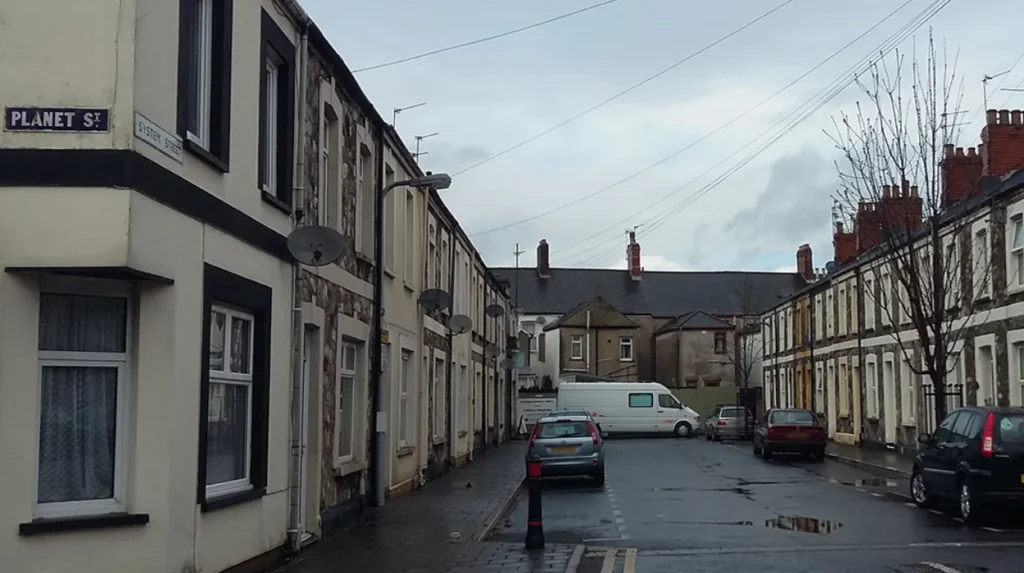
Recent market statistics indicate that average house prices in Adamsdown are lower than in more affluent northern suburbs, reflecting both the type of housing available and the ongoing process of improvement and regeneration. At the same time, new social and affordable housing schemes have been built to respond to the wider Welsh housing crisis, with providers such as Hafod and Cardiff Community Housing Association delivering energy‑efficient apartments that aim to keep running costs low through features like high EPC ratings and solar‑powered heating.
These investments, combined with private rentals advertised across platforms and local letting agents, mean that Adamsdown accommodates a mix of income groups, from low‑income households supported by social tenancy to graduate renters and key workers drawn by convenience and transport links. For policymakers and campaigners, the ward thus offers a revealing case study in how affordability, regeneration and demographic change interact in a compact urban area.
Transport Connections: A Well‑Linked Inner‑City Hub
One of Adamsdown’s great strengths is its connectivity. Although it lacks its own railway station, the community sits within easy walking distance of both Cardiff Queen Street and Cardiff Central stations, giving residents access to local, regional and national rail services across Wales and to cities such as Bristol and London.
Bus provision is extensive: multiple Cardiff Bus routes and regional services run along key corridors like Newport Road and Broadway, linking Adamsdown to the city centre, other Cardiff suburbs and nearby towns including Newport. Local guides note that services start early, with some buses running from before six in the morning and continuing until late at night, which is particularly valuable for shift workers and hospitality staff.
Cycling and walking are also significant modes of travel in and around Adamsdown. The flat terrain, emerging cycle lanes and proximity to routes such as those connecting to Cardiff Bay waterfront and the Taff Trail make active travel a realistic option for commuting and leisure. For a city increasingly committed to sustainable transport, Adamsdown’s pattern of short walking distances, dense land use and strong public transport networks supports broader goals of reducing car dependence and cutting emissions.
Education, Health And Community Services
Despite its compact size, Adamsdown hosts a notable concentration of public and community services that serve both local residents and wider Cardiff. Two primary schools – Adamsdown Primary School and Tredegarville Primary School – provide education for younger children and have long histories of serving diverse intakes from multiple linguistic and cultural backgrounds.
Further afield but within easy reach are secondary schools such as Willows High School and Cardiff High School, as well as further education providers like Cardiff and Vale College, giving local families and young people a range of options for continued study. Higher education demand is reinforced by the presence of a University of South Wales campus within Adamsdown, bringing students and academic staff into the area and helping sustain local businesses and rentals.
Healthcare provisioning has shifted since the closure of the full Cardiff Royal Infirmary, but the site and surrounding area continue to play roles in health and community initiatives, while residents remain close to other major facilities across central Cardiff. Community hubs, libraries in neighbouring areas and arts organisations, including the Rubicon Dance school, contribute to cultural life and provide spaces where different groups can meet, learn and collaborate.
Green Spaces, Leisure And Everyday Amenities
Although Adamsdown is predominantly urban, residents benefit from a network of parks, gardens and recreational spaces within walking distance. The former cemetery converted into a park in the mid‑twentieth century provides local greenery and a physical reminder of the area’s layered past, while larger parks such as Roath Park and Bute Park lie a short distance away, offering lakes, lawns, sports facilities and riverside walks.
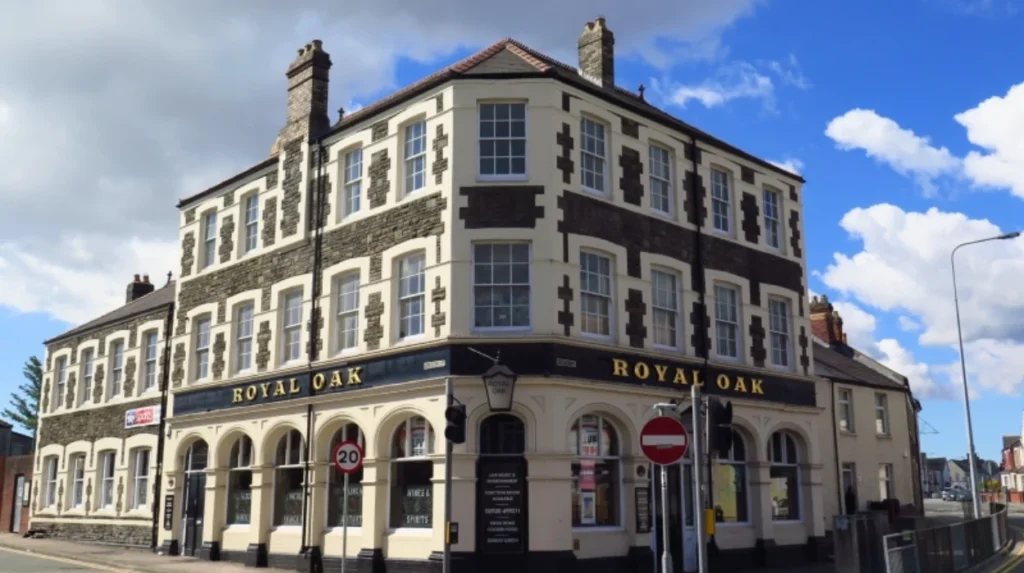
Community gardens and smaller open spaces – including initiatives linked specifically to Adamsdown Lane and surrounding streets – give residents opportunities to grow food, meet neighbours and participate in environmental projects, supporting both physical and mental wellbeing. Sports and fitness options nearby range from major leisure centres, such as facilities in Cardiff Bay, to independent gyms and informal running groups that make use of the parks and river trails. Everyday amenities, from corner shops and independent cafes to supermarkets and takeaways on Clifton Street and adjoining roads, help sustain local life and reflect the multicultural tastes of the population.
Economy, Employment And Regeneration Policy
Economically, Adamsdown sits within the Cardiff Central labour market, with many residents commuting short distances to work in retail, hospitality, public services, healthcare, education and professional roles in the city centre. Income indicators suggest a mix of circumstances: some parts of the ward fall into lower income bands, while deprivation levels vary, mirroring the complex socio‑economic landscape of inner‑city Cardiff.
In response, Cardiff Council and Welsh Government have prioritised investment in regeneration and community services in and around Adamsdown, using programmes like the Targeted Regeneration Investment Programme (TRIP) to support projects that promote economic renewal and address long‑standing inequalities. Funding has gone into improved community hubs, employability services focused on young people, and partnership working with health bodies to create wellbeing‑oriented spaces. Housing associations and social landlords have complemented this policy framework through schemes that blend physical improvements with social support, from reconfiguring problem properties into family homes to delivering new, low‑carbon flats designed to keep energy bills manageable during periods of rising living costs.
For Adamsdown, these strategies aim to balance growth with inclusion, ensuring that its proximity to central Cardiff translates into tangible benefits for long‑standing residents as well as newcomers.
Culture, Identity And Community Life
Beyond statistics, Adamsdown’s identity is shaped by everyday interactions on its streets, in its schools and in its small businesses. Historically a working‑class suburb with strong links to dockworkers and industrial labour, it has become home to successive waves of migration, each bringing new languages, cuisines and cultural practices to the area.
The presence of venues like Rubicon Dance underscores the role of arts and performance in local life, providing opportunities for young people and adults to engage in creative activities and build confidence. Faith groups, community organisations and neighbourhood projects provide informal support networks, from language classes and advice sessions to food initiatives and cultural festivals, reflecting the diverse religious and ethnic profile of the ward.
At the same time, Adamsdown’s modest size, tight street pattern and high ratio of local businesses foster a sense of belonging that can be harder to maintain in more car‑dependent suburbs. Residents encounter familiar faces in corner shops, on bus stops and in school playgrounds, reinforcing local ties even as people travel widely for work and study.
Adamsdown’s Future: An Inner‑City Barometer For Wales
Looking ahead, Adamsdown is likely to remain a barometer of how Cardiff – and by extension urban Wales – negotiates key challenges around housing affordability, demographic change and sustainable regeneration. Population growth over the last decade, the predominance of young adults and the continued demand for affordable homes point to sustained pressure on housing and local services.
At the same time, substantial public and third‑sector investment in new energy‑efficient housing, upgraded streetscapes and community infrastructure suggests that decision‑makers recognise the ward’s strategic importance and potential. If these efforts succeed, Adamsdown could consolidate its role as a vibrant inner‑city district where diverse communities benefit from proximity to Cardiff’s core while retaining a strong neighbourhood identity rooted in centuries of local history. For readers of The Wales Times, following Adamsdown’s evolution offers an invaluable window onto how policy, history and everyday life intersect in modern Wales.
