

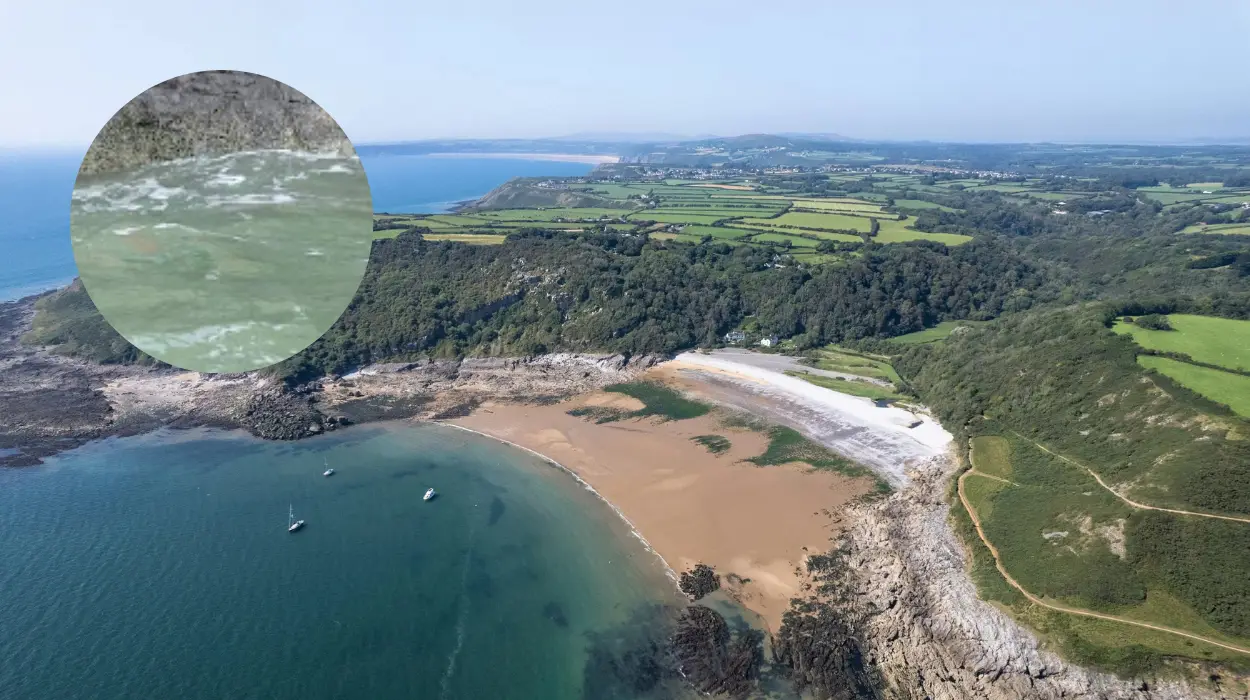
Bishopston captivates with its blend of ancient history and natural splendor, Nestled on the stunning Gower Peninsula. This large village, just six miles west-southwest of Swansea, offers an enduring appeal for those seeking the authentic essence of South Wales.
A Glimpse into Bishopston’s Ancient Origins
Bishopston’s story stretches back over a millennium, rooted in the ecclesiastical landscapes of medieval Wales. The village derives its name from its historical ties to the Bishop of Llandaff, who once held the manor in free alms, a privilege denoting lands granted for spiritual duties rather than feudal service. This connection underscores its role as a serene retreat for clergy amid the rugged Gower terrain. Long before modern boundaries, the area bore the Welsh name Llandeilo Ferwalt, honoring a sixth-century Celtic monastery led by Mengualdus, as chronicled in the Book of Llandaff.
Archaeological whispers hint at even earlier human presence, though definitive pre-Norman evidence remains elusive in local records. By the time of the Norman Conquest, surrounding villages fell under the Lordship of Gower, while Bishopston retained its distinct ecclesiastical character. This duality shaped its early development, fostering a community centered around spiritual and agrarian life. Geoffrey Orrin’s 1982 book, A History of Bishopston, draws on medieval topographies to paint a vivid picture of a hamlet defined by wooded valleys and vital fords.
The Rise of a Riverside Village
At the heart of Bishopston lies its picturesque ford, a natural crossroads that has defined the village since medieval times. Historical accounts describe this crossing as the nucleus of activity, where paths converged amid dense woodlands and fertile meadows. Travelers and locals alike navigated the shallow waters of the stream, which fed into the broader Gower waterways, supporting early trade and migration. This strategic location elevated Bishopston beyond a mere hamlet, positioning it as a hub within the peninsula’s intricate network of settlements.
The church, perched at the valley’s head, emerged as the village’s spiritual anchor. Dedicated to St. Teilo, it reflects the Celtic monastic heritage, with fabric dating to the thirteenth century and later restorations preserving its Gothic charm. Medieval bishops summered here, drawn by the tranquil isolation from urban Llandaff, until Owain Glyndŵr’s raids in the early fifteenth century disrupted these retreats. Such events marked a turbulent chapter, yet the village endured, its manor weaving into the tapestry of Gower’s feudal lords.
Evolution Through the Centuries
Bishopston’s growth mirrored broader Welsh transformations, transitioning from a compact ecclesiastical outpost to a thriving rural community. By the eighteenth century, the village featured a cluster of farmsteads around the church and school, with records noting its “special character” in conservation appraisals. Enclosure acts reshaped surrounding farmlands, consolidating common lands into private holdings that bolstered agricultural prosperity. This period saw the emergence of distinctive stone-built cottages, their lime-washed walls and slate roofs emblematic of Gower vernacular architecture.
The nineteenth century brought subtle modernization. Census data reveals a steady population rise: from 303 souls in 73 houses in 1801 to around 1,500 by 1931. Interwar expansion introduced council housing, addressing the demands of a growing populace drawn to the area’s natural beauty. These developments preserved the village’s intimacy while accommodating families tied to farming, quarrying, and emerging tourism. Bishopston’s old schoolhouse, now a heritage landmark, stands as a testament to this era’s commitment to education amid rural change.
Natural Beauty and the Gower Landscape
Bishopston’s allure lies inseparable from its Gower setting, part of the UK’s first Area of Outstanding Natural Beauty since 1956. Rolling hills cradle the village, giving way to dramatic coastlines mere miles away, where cliffs plunge into the Bristol Channel. Local valleys, lush with oak and ash woodlands, host rare flora like bluebells in spring, creating a haven for walkers and nature enthusiasts.

The ford remains a scenic focal point, its babbling waters fringed by ferns and wild garlic. Nearby, limestone pavements and karst features hint at the peninsula’s geology, formed over 400 million years from ancient seabeds uplifted by tectonic forces. This diverse ecosystem supports peregrine falcons, otters, and glowworms, drawing ecologists and photographers year-round. Bishopston’s conservation status safeguards these treasures, ensuring future generations inherit a landscape of unspoiled majesty.
Community and Cultural Heritage
Village life in Bishopston pulses with traditions that bridge past and present. The church hosts seasonal festivals, from harvest thanksgivings to Christmas evensongs, echoing centuries-old rituals. Local societies preserve oral histories, while annual events like the Gower Show celebrate agricultural roots with livestock displays and craft stalls.
Bishopston Primary School embodies communal continuity. Established post-war to serve 160 pupils, it expanded in the 1960s amid population booms, now fostering young minds in a modern facility attuned to Welsh heritage. Community halls host Welsh language classes and eisteddfodau, nurturing bilingualism in line with national policy. This fabric of shared activities reinforces Bishopston’s identity as a resilient Welsh heartland.
Exploring Bishopston’s Hidden Corners
Wandering Bishopston reveals layers of charm. Start at the churchyard, where weathered headstones narrate tales of sailors lost at sea and farmers who tilled the Gower soil. Adjacent, the old forge and mill remnants evoke industrial echoes from the water-powered past. Venture along bridleways to Kittle, a neighboring hamlet, where prehistoric barrows dot the uplands.
For panoramic views, ascend to local ridges overlooking Swansea Bay. These paths form part of the Gower Way, a long-distance trail linking coastal gems like Three Cliffs Bay. Photographers cherish dawn light filtering through valley mists, while foragers gather blackberries along hedgerows in autumn. Such explorations unveil Bishopston’s quiet poetry, far from tourist throngs.
Modern Life in a Historic Setting
Today, Bishopston thrives as a desirable residential spot, its population swelling to over 3,300 by 2001, with steady growth since. Commuters appreciate the swift link to Swansea via the A4118, balancing rural peace with urban access. Local amenities include a bustling comprehensive school, convenience stores, and pubs serving cask ales amid beamed ceilings.
Sustainable initiatives reflect contemporary priorities. Community solar projects power village halls, while wildlife corridors enhance biodiversity. Gower’s protected status curbs overdevelopment, preserving low-density housing amid green buffers. Residents champion slow living, with farmers’ markets offering local cheeses and lamb, fostering economic resilience.
Economic Pillars and Local Trades
Historically agrarian, Bishopston’s economy pivoted with tourism’s rise. Quarries once extracted limestone for Swansea’s limekilns, fueling industrial Wales, but now green tourism dominates. Bed-and-breakfasts in converted barns cater to hikers, emphasizing farm-fresh breakfasts and stargazing skies unpolluted by city glare.
Craft enterprises flourish too. Artisan potters draw on Gower clays, while beekeepers harvest heather honey from hilltop hives. These ventures sustain families, blending tradition with innovation. The village’s conservation area status bolsters property values, attracting remote workers seeking Gower’s digital tranquility.
Notable Figures and Local Legends
Bishopston has nurtured quiet influencers. Geoffrey Orrin, whose historical tome remains a cornerstone, chronicled its annals with scholarly zeal. Local folklore whispers of Mengualdus’s ghost haunting the valley ford on misty nights, a spectral guardian of ancient waters. Such tales, passed orally, enrich communal bonds.
Twentieth-century residents like school founders shaped modern Bishopston, their legacies etched in brass plaques. Contemporary artists, inspired by coastal light, exhibit in village galleries, bridging heritage with creativity. These stories humanize the village, inviting newcomers to weave their threads.
Conservation Efforts and Future Preservation
Bishopston’s conservation area, appraised by Swansea Council, safeguards its core: church, ford, and Victorian school. Policies restrict alterations, mandating sympathetic designs using local stone. Volunteers maintain hedgerows, combating ash dieback and promoting native species.
Challenges persist—coastal erosion threatens paths, while climate shifts alter stream flows. Yet, adaptive strategies, like elevated boardwalks, demonstrate resilience. Partnerships with the Gower Society ensure vigilant stewardship, positioning Bishopston as a model for sustainable rural Wales.
Outdoor Pursuits and Seasonal Splendor
Bishopston beckons adventurers across seasons. Spring carpets valleys in wildflowers, ideal for birdwatching pipits and warblers. Summer draws families to picnic spots by the ford, with gentle swims in deeper pools. Autumn’s golden hues frame mushroom forays, while winter’s frosts sculpt icy wonderlands for contemplative rambles.
Cycling routes traverse quiet lanes, linking to coastal paths at Langland Bay. Kayakers navigate upper streams, spotting herons amid reeds. These activities underscore Bishopston’s role in Gower’s recreational tapestry, promoting health and heritage appreciation.
Culinary Delights from Gower’s Heart
Bishopston’s table reflects its terroir. Local butchers proffer Gower salt-marsh lamb, grazed on mineral-rich pastures for unparalleled flavor. Foragers supply restaurants with samphire and sea beet from nearby shores. Pubs pair these with real ales from Swansea microbreweries, creating convivial evenings.
Home bakers revive Welsh bara brith, studded with Gower honey. Seasonal fairs showcase seafood chowders, blending mackerel from Bracelet Bay with village herbs. This cuisine celebrates locality, drawing foodies to savor Bishopston’s gastronomic soul.
Why Bishopston Endures as an Evergreen Destination
Bishopston’s timeless draw stems from its harmonious blend of history, nature, and community. Free from mass tourism, it offers authentic Welsh hospitality amid postcard landscapes. Whether tracing monastic footsteps or simply breathing valley air, visitors find renewal. For The Wales Times readers, Bishopston exemplifies the peninsula’s enduring spirit—a place where past whispers guide future joys.
