

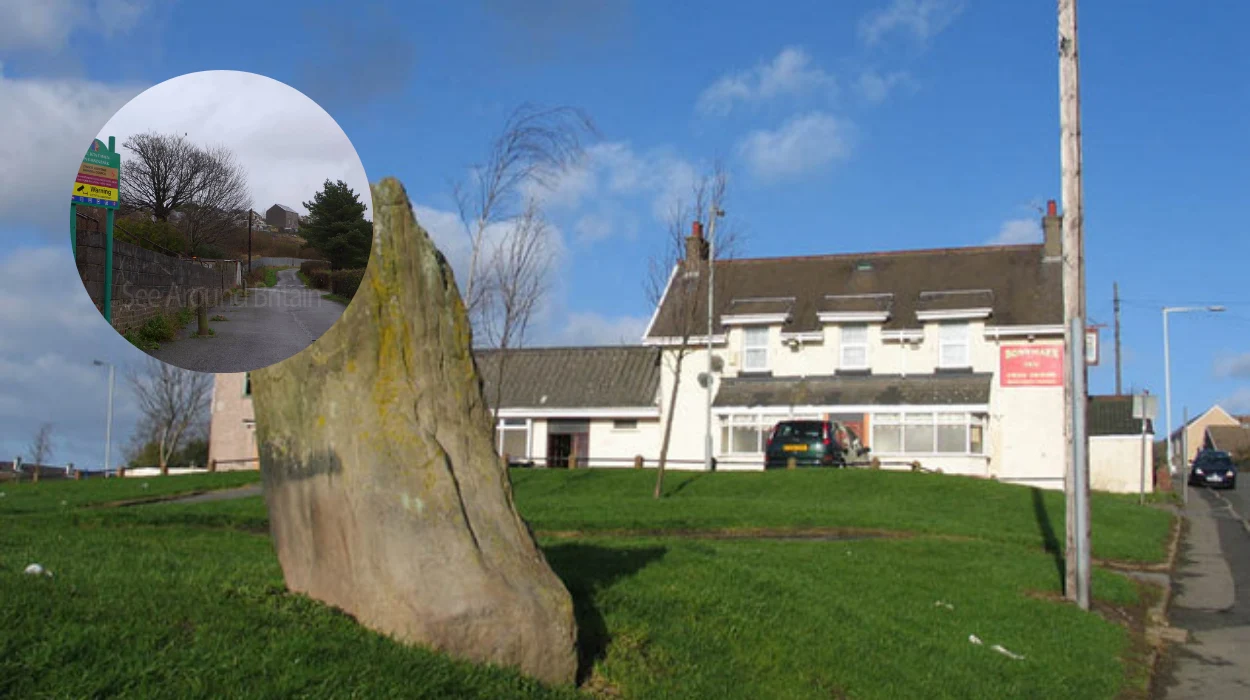
Nestled just 1.5 miles northeast of Swansea city centre, Bon-y-maen stands as a vibrant community in Wales that blends rich history, modern living, and natural beauty. This evergreen guide explores the enduring story of Bon-y-maen, offering insights into its origins, evolution, and lasting appeal for residents, visitors, and those curious about Welsh heritage.
Origins and Etymology of Bon-y-maen
The name Bon-y-maen, sometimes spelled Bonymaen, derives from the Welsh phrase “Bôn-y-maen,” translating directly to “Base of the Stone.” This evocative name hints at ancient folklore connecting the area to a legendary stone formation said to extend from Bon-y-maen to Penmaen on the Gower Peninsula, known as “Stone End.” Local legends persist among residents, weaving tales of a massive stone structure that once spanned the landscape, symbolizing the area’s deep-rooted connection to Wales’ prehistoric past.
Historical records trace Bon-y-maen’s early settlement to small villages that dotted the region before industrialization. Archaeological evidence suggests human activity dating back millennia, with standing stones and burial mounds nearby underscoring its prehistoric significance. The Welsh language’s influence remains strong, as evidenced by standardized place-name guidelines from official sources, which emphasize the hyphenation in “Bôn-y-maen” for clarity when paired with the definite article “y.”
This etymological foundation not only defines Bon-y-maen’s identity but also attracts those researching Welsh linguistics and place-name evolution. Communities like this preserve linguistic purity amid modernization, making Bon-y-maen a living archive of Celtic nomenclature.
Post-War Housing Transformation
After World War II, Bon-y-maen entered a second phase of development with the construction of a large local authority housing estate. Predominantly semi-detached dwellings replaced wartime shortages, offering modern amenities to returning soldiers and growing families. This post-war initiative, part of broader UK efforts, symbolized renewal and stability in Swansea’s suburbs.
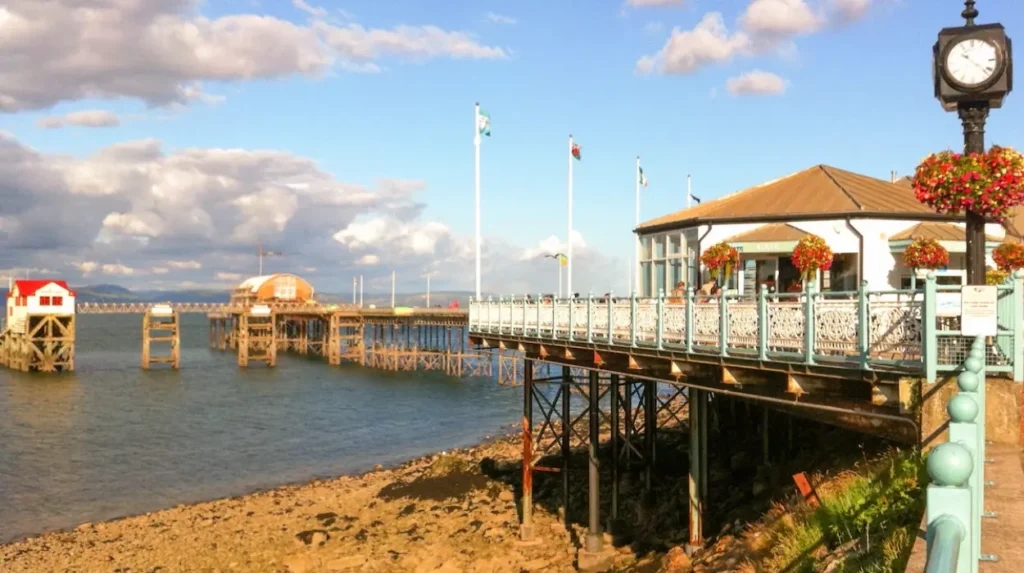
Ribbon development along main roads complemented the estate, introducing detached homes that blended suburban comfort with urban access. These expansions addressed population growth, with the ward’s area spanning 7.8 square kilometers and supporting a density of around 977 people per square kilometer as of recent estimates. Government-led planning prioritized green spaces amid housing, preserving Kilvey Hill’s ridges for recreation.
Today, this housing mix defines Bon-y-maen’s skyline, from sturdy terraces to spacious semis. Maintenance by Swansea Council ensures these structures remain habitable, reflecting ongoing investment in community infrastructure.
Modern Demographics and Community Life
Bon-y-maen forms a coterminous ward for Swansea Council elections, representing a diverse electorate with strong local ties. As a former Communities First area, it received targeted support to tackle deprivation, fostering regeneration through education, employment, and health initiatives. These efforts elevated living standards, positioning Bon-y-maen as a model for community resilience.
The population reflects Swansea’s multicultural fabric, with families of varied backgrounds contributing to cultural festivals and markets. Proximity to Morfa Retail Park brings employment at stores like Morrisons and B&Q, alongside council-run schools employing thousands. Workplace estimates highlight around 6,000 jobs in the former ward configuration.
Community cohesion shines through events at local venues, where residents celebrate Welsh traditions alongside contemporary pursuits. This blend sustains Bon-y-maen’s appeal as a family-friendly enclave near urban amenities.
Landmarks Overlooking Kilvey Hill
Dominating the horizon, Kilvey Hill’s TV transmitter serves as Swansea’s primary broadcast mast, beaming signals across the region. Atop this prominent ridge, the structure not only facilitates communication but also offers panoramic views encompassing Bon-y-maen below and the Gower Peninsula beyond. Hikers traverse trails linking the hill to community paths, enhancing recreational opportunities.
The hill’s ecology supports diverse flora and fauna, with woodlands harboring rare species protected under Welsh conservation laws. Historical quarrying scarred its slopes, yet restoration efforts have revived habitats, making it a Site of Importance for Nature Conservation. Visitors appreciate sunset vistas, where the transmitter’s glow marks Bon-y-maen’s silhouette against the sky.
This landmark anchors Bon-y-maen’s identity, symbolizing technological progress amid natural splendor.
Sports and Rugby Culture
Bonymaen RFC embodies the community’s sporting passion, fielding teams in Welsh rugby leagues since its founding. Home matches at the local ground draw crowds, fostering rivalries and youth academies that nurture talent. Rugby here transcends sport, serving as a social glue binding generations.
The club’s facilities host training sessions open to all ages, promoting fitness and teamwork. Achievements in regional competitions highlight Bon-y-maen’s competitive edge, with alumni progressing to higher divisions. This rugby heritage mirrors Wales’ national obsession, where community clubs like Bonymaen RFC preserve the game’s grassroots ethos.
Recent Developments and Housing Boom
In 2017, plans emerged for over 200 new homes on the former Morris Brothers bus works site in Pentrechwyth, part of Bon-y-maen. This redevelopment repurposed industrial land into sustainable housing, incorporating energy-efficient designs and green spaces. Swansea Council’s approval underscored commitment to meeting housing demand without sacrificing character.
Contemporary builds feature family homes and apartments, integrated with cycle paths and public transport links. Such projects alleviate pressure on Swansea’s core while boosting local economy through construction jobs. Ongoing phases ensure Bon-y-maen evolves, balancing growth with heritage preservation.
Governance and Electoral Ward Insights
The Bon-y-maen electoral ward elects representatives to City and County of Swansea Council. Renamed from Bonymaen in 2022, it maintains unitary authority status with elections reflecting local priorities like housing and infrastructure. Historical polls, such as 1995 and 1999 contests, saw Labour dominance interspersed with Independent gains, showcasing democratic vibrancy.
Council profiles detail ward statistics, guiding policies on employment and services. Coordinates at 51°38′50″N 3°54′33″W pinpoint its location, aiding geographic studies. Voters engage actively, influencing decisions from postcode SA1 developments to hill conservation.
Cultural and Linguistic Heritage
Welsh language stewardship thrives in Bon-y-maen, with official standards mandating “Bôn-y-maen” in documentation. The Welsh Language Commissioner notes hyphens aid pronunciation, especially in phrases like “y Bôn-y-maen.” Bilingual signage and school programs immerse youth in Cymraeg, countering anglicization trends.
Folklore ties to the “maen” legend enrich storytelling traditions, passed through family gatherings and publications. Cultural events feature eisteddfod-style competitions, celebrating poetry and music rooted in the area’s lore. This preservation effort positions Bon-y-maen as a bastion of Welsh identity.
Industrial Revolution and Growth
Bon-y-maen’s transformation accelerated during the Industrial Revolution, when terraced housing sprang up to accommodate workers from nearby collieries and industrial works. Villages such as Pentrechwyth expanded rapidly, fueled by coal mining and metalworking that powered South Wales’ economic boom. Families flocked to the area seeking employment, turning quiet hamlets into bustling hubs of labor and community life.
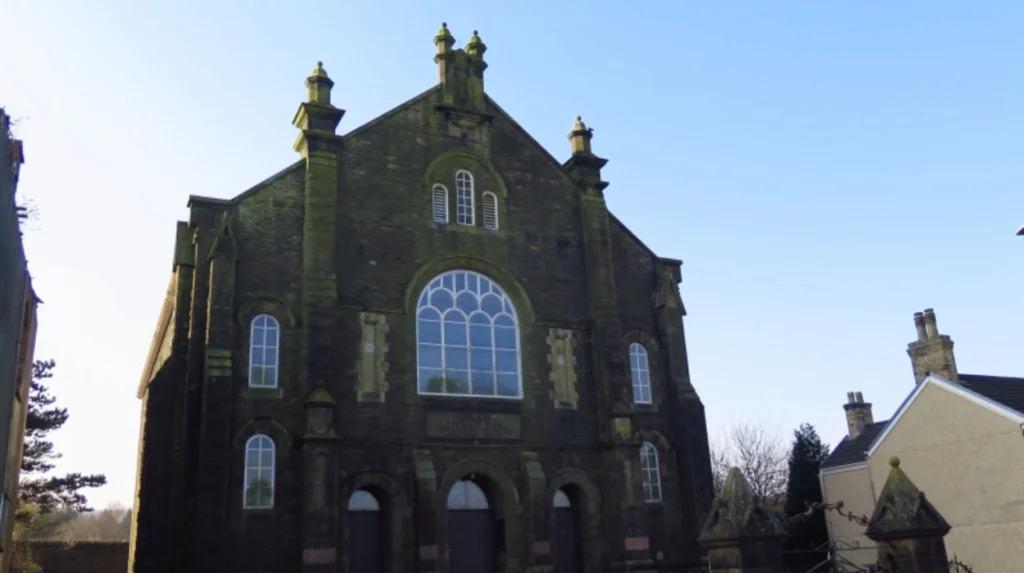
By the late 19th century, factories and workshops lined the streets, with the Tennant Canal playing a pivotal role in transporting goods. This waterway, still visible today, facilitated the movement of coal and metals, embedding Bon-y-maen in Swansea’s industrial legacy. Housing developments featured narrow terraced rows typical of Victorian architecture, designed for efficiency and affordability, many of which survive as cherished period homes.
The era’s prosperity came at a cost, with pollution and harsh working conditions shaping daily life. Yet, it fostered a resilient community spirit, evident in the establishment of local chapels and schools that served as social anchors. Bon-y-maen’s industrial heritage continues to draw historians and genealogy enthusiasts exploring Wales’ coal and steel epochs.
Economic Landscape and Employment
Major employers anchor Bon-y-maen’s economy, from retail giants at Morfa Park to educational institutions. Swansea Council’s schools employ locals, while logistics firms leverage the ward’s strategic position near the M4 motorway. Post-industrial diversification includes service sectors, reducing reliance on heavy industry.
Entrepreneurship flourishes in small businesses along main roads, from cafes to tradespeople. Proximity to Swansea’s docks supports maritime-related jobs, blending blue-collar roots with white-collar opportunities. Economic stability sustains high homeownership rates, appealing to first-time buyers.
Natural Surroundings and Recreation
Kilvey Hill’s trails invite walkers to explore woodlands and meadows, with grid reference SS6795 marking key access points. The Tennant Canal’s towpaths offer peaceful strolls, linking Bon-y-maen to Tawe Valley. Biodiversity hotspots attract birdwatchers, spotting species like kestrels and buzzards.
Community parks host picnics and play, while cycling routes connect to Gower’s national park. Seasonal changes paint the landscape vividly, from spring bluebells to autumn foliage, providing year-round allure. These amenities enhance quality of life, drawing nature lovers to the community.
Education and Community Facilities
Schools under Swansea Council serve Bon-y-maen, emphasizing bilingual curricula and extracurriculars. Libraries stock local history volumes, supporting research into the area’s past. Health centers provide accessible care, integrated with regeneration projects.
Youth clubs and senior groups operate from community halls, promoting intergenerational exchange. These facilities, bolstered by Communities First funding, address social needs holistically. Bon-y-maen’s investment in education yields skilled workforces, perpetuating prosperity.
Future Prospects for Bon-y-maen
Sustainability drives Bon-y-maen’s trajectory, with eco-homes and renewable energy initiatives on Kilvey Hill. Council visions prioritize affordable housing and green corridors, ensuring resilience against climate challenges. As Swansea expands, Bon-y-maen remains a desirable address.
Tourism potential grows through heritage trails linking to Gower, spotlighting the stone legend. Digital connectivity via the TV transmitter supports remote work, attracting young professionals. This forward momentum secures Bon-y-maen’s place in Wales’ narrative.
Bon-y-maen exemplifies enduring Welsh community spirit, where history informs progress.
