

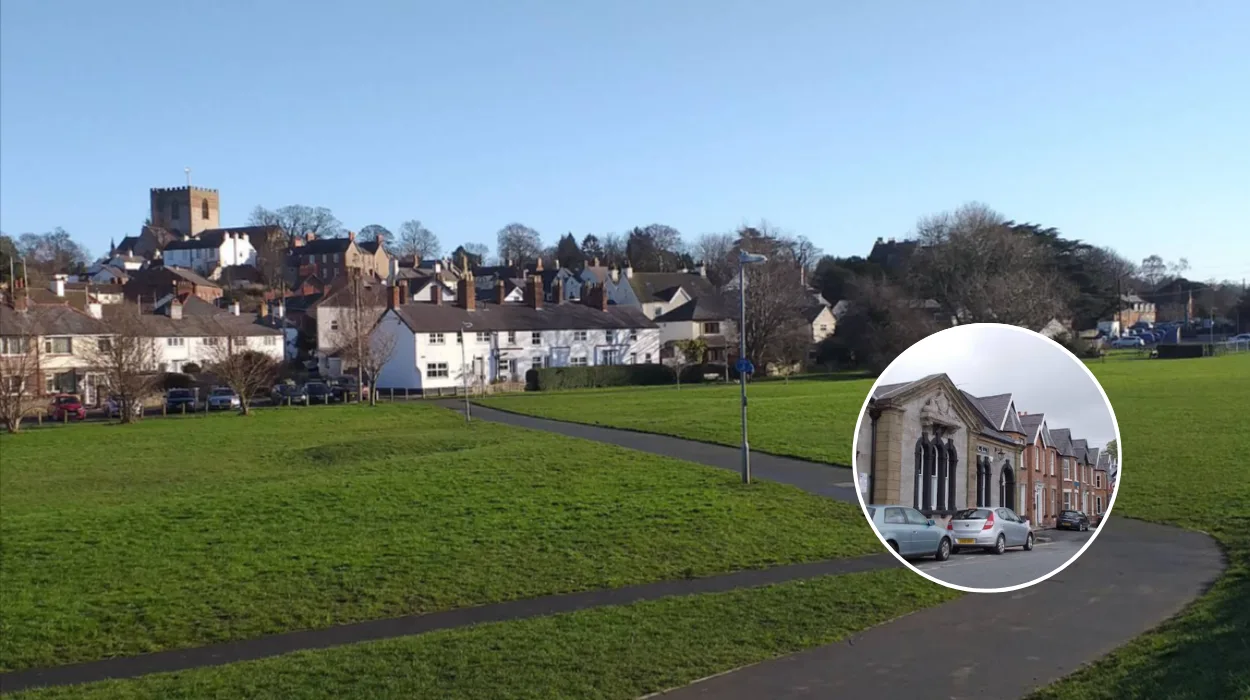
St Asaph, one of Britain’s smallest cities, nestles between the rivers Elwy and Clwyd in Denbighshire, North Wales, offering a perfect blend of ancient history, serene landscapes, and vibrant community life. Known as Llanelwy in Welsh, this evergreen destination captivates visitors with its compact charm and profound heritage, making it ideal for those seeking an authentic Welsh experience away from crowded tourist spots.
Ancient Origins and Saintly Foundations
The story of St Asaph begins in the 6th century when Saint Kentigern, fleeing strife in Scotland, founded a monastic community around 560 AD along the River Elwy. His disciple, Asaph, rose to prominence through a miracle where he carried burning coals in his apron to light their prayers, earning his place as the settlement’s first bishop after Kentigern’s departure in 573. Asaph’s legacy endures in local sites like Ffynnon Asa (Asa’s Well) and Llanasa church, rooting the area in early Celtic Christianity amid Iron Age hillforts.
The Majestic St Asaph Cathedral
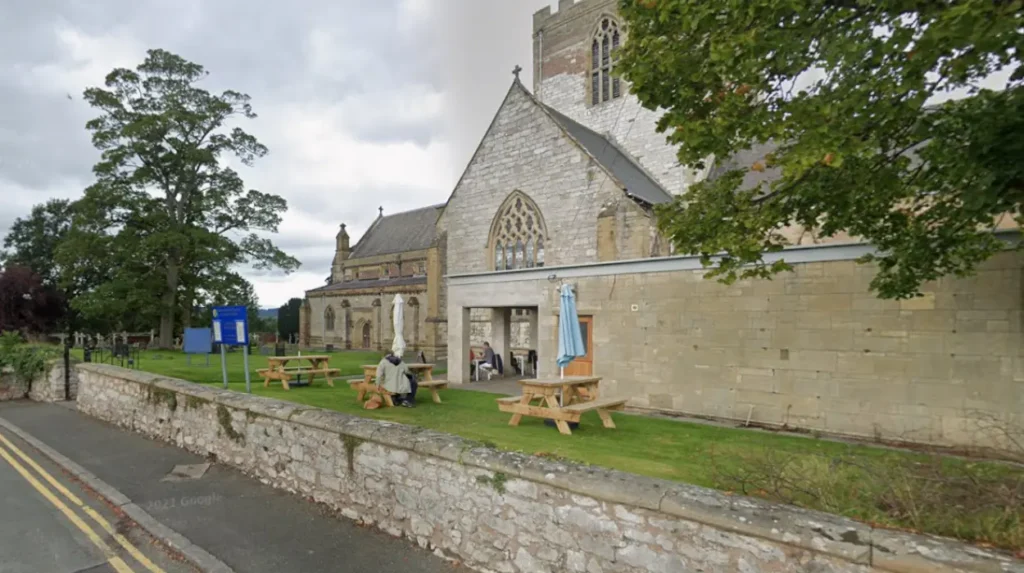
At the city’s heart stands St Asaph Cathedral, a limestone beacon dedicated to its namesake saint and mother church of the Diocese of St Asaph. This pre-Reformation survivor boasts a rare detached tower, medieval effigies like that of Bishop Anian II, and intricate pendant vaulting unique in Britain. Despite devastations—from Edward I’s raids in 1247 and Owain Glyndŵr’s 1402 attack to Cromwellian desecration—it was rebuilt with resilience, now echoing with renowned choral traditions and Welsh hymnody.
Medieval Struggles and Tudor Transformations
The 12th century elevated St Asaph to a formal bishopric, with figures like Anian II fiercely defending its autonomy against English overlords, as recorded in the Black Book of St Asaph. The Tudor Reformation under Henry VIII dissolved monasteries but preserved the cathedral, shifting its role amid religious upheavals while Welsh culture thrived. Archaeological layers reveal prehistoric roots, connecting the site to broader Welsh history from Celtic tribes to Norman incursions.
Georgian Elegance and Victorian Revival
Entering the Georgian era, St Asaph blossomed into a refined rural retreat, with bishops like Samuel Horsley driving reforms and markets flourishing. The Victorian period brought Gothic Revival restorations, enhancing the cathedral’s neo-Gothic splendor and aligning with national romanticism for Wales’ past. This era solidified its status as a cultural hub, home to scholars like Bible translator John Owen.
Contemporary St Asaph: City Status and Daily Life
Officially a city since 2012 for Queen Elizabeth II’s Diamond Jubilee, St Asaph today serves as Denbighshire’s administrative center with around 3,500 residents, hosting police HQ and NHS offices alongside tourism and farming. The High Street buzzes with independent delis, cafes, and pubs like Y DDraig Goch, while events such as the Food and Drink Festival celebrate local lamb and cheeses.
Stunning Natural Surroundings
Encased by the Clwydian Range Area of Outstanding Natural Beauty, St Asaph invites outdoor adventures along the Elwy’s otter-filled waters and kingfisher haunts. Trails like the Bishop’s Walk and Clwydian Way offer panoramic views from Moel Famau, with Dark Sky status perfect for stargazing the Milky Way. Nearby RSPB reserves and golf courses at St Asaph Golf Club add to pursuits like cycling, kayaking, and paragliding.
Cultural Luminaries and Literary Legacy
St Asaph nurtured explorers like Henry Morton Stanley, famed for finding Dr Livingstone, and poets like Ceiriog Hughes, whose verses drew from local lore. Its choral heritage shines in the cathedral choir, blending Anglican and Nonconformist traditions, with festivals echoing the spirit of the National Eisteddfod.
Architectural Wonders Off the Beaten Path
Beyond the cathedral, explore Bishop’s Palace ruins with their Georgian gardens, St Kentigern’s Church evoking Celtic origins, and the converted Victorian Workhouse. Georgian terraces and the 1740s Town Hall add layers, each whispering tales accessible via HistoryPoints QR plaques.
Festivals and Community Vibrancy
The Cathedral Arts Festival biennially mixes music, poetry, and art, while Christmas markets and talent shows foster tight-knit spirit. St Asaph City F.C. and choirs embody communal pride, drawing visitors into Wales’ warm hospitality.
Visitor Essentials for an Unforgettable Trip
Easily reached—30 minutes from Chester by car or train to Rhyl—St Asaph suits all budgets with stays like Bronwylfa under £100/night and free cathedral access. Spring bluebells or autumn foliage mark prime times; park at Roe Street and follow trails for immersive discovery.
