

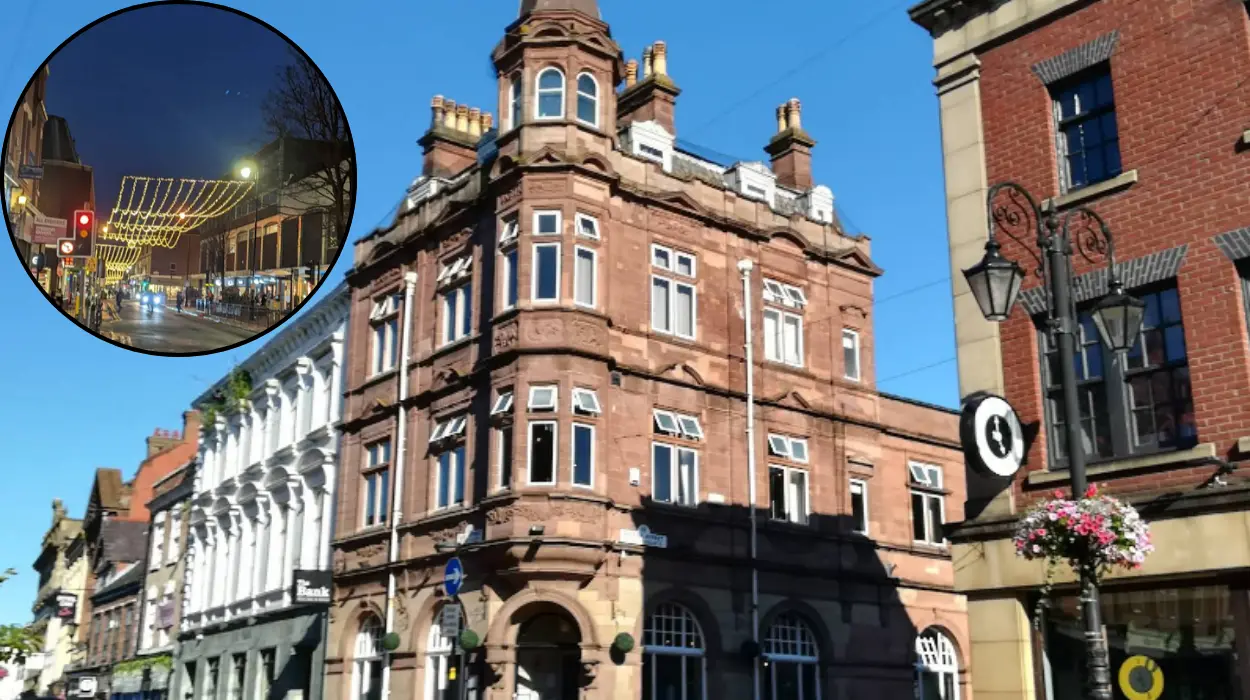
Wrexham stands as a vibrant city in north-east Wales, blending rich history, modern excitement, and natural beauty. Once a major industrial hub, it now thrives as a cultural and economic center, drawing visitors with its football legacy and historic landmarks.
Ancient Origins and Medieval Growth
Wrexham’s history traces back before the 11th century, evolving into a key trade and administrative center during the Middle Ages. It served as part of the Marcher lordship of Bromfield and Yale after the Welsh prince Llywelyn ap Gruffudd’s death in 1282, boosting its role in exchanging Dee Valley produce and local mining outputs like iron and lead.
Settlement evidence dates to the Bronze Age, with Roman activity nearby at Holt. By the 12th century, Princes of Powys stabilized the area, fostering trade that connected Wrexham to distant markets.
In the 17th century, Wrexham briefly became Wales’ largest settlement, solidifying its market town status with wool, leather, and brewing industries.
Industrial Revolution Boom
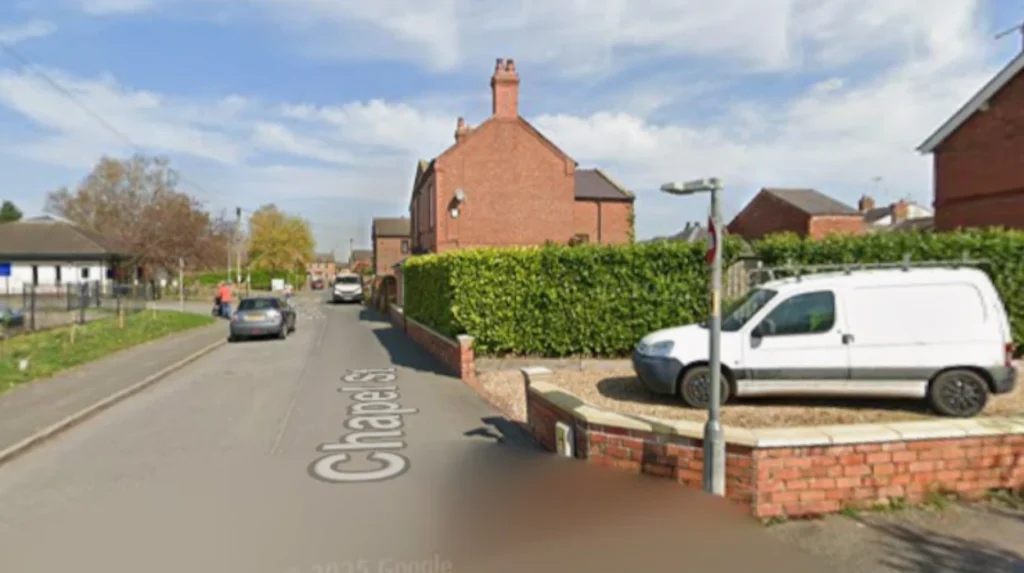
The 18th and 19th centuries transformed Wrexham through coal, lead, iron, steel, and leather production, making it a north Wales industrial powerhouse.
Market squares like Manchester Square and the Beast Market on Eagles Meadow drew farmers and merchants from Birmingham and Manchester.
Mining declined post-20th century, shifting focus to diverse sectors while preserving sites like Gresford Colliery as historical reminders.
Governance and Modern Demographics
Wrexham County Borough Council governs the area from the Guildhall in the city center, handling services across urban and rural zones.
The population reaches 135,117, with 268.2 people per km²; 49.5% male and 50.5% female across 57,914 households. About 18.7% are under 16, 19.3% over 65, and 93.5% identify as White ethnic group.
The council employs around 6,000, emphasizing rewarding careers in civic services.
Thriving Economy and Business Hub
Wrexham’s economy grows robustly, with 7.79% rise in active enterprises, outpacing UK and Wales averages. Key sectors include engineering, automotive components, packaging, healthcare/pharma, electronics, food processing, chemicals, and plastics.
Construction (835 companies), professional services (754), and retail (732) lead, alongside growth in clothing, toys/games, education, property, and manufacturing.
Tourism surges, contributing £191 million annually (6.3% yearly growth), supporting 1,758 hospitality jobs and attracting 2 million day-visitors.
Iconic Landmarks and Attractions
St. Giles’ Parish Church, with 11th-century roots, exemplifies Welsh ecclesiastical architecture.
Erddig estate, Ponycsyllte Aqueduct, and Chirk Castle offer historical depth; Tŷ Mawr Country Park along the River Dee provides scenic walks under Cefn Viaduct.
Minera Country Park highlights industrial heritage, while Paul Mullin mural and Wrexham Museum (reopening soon) add modern appeal.
Wrexham AFC: Hollywood Spotlight
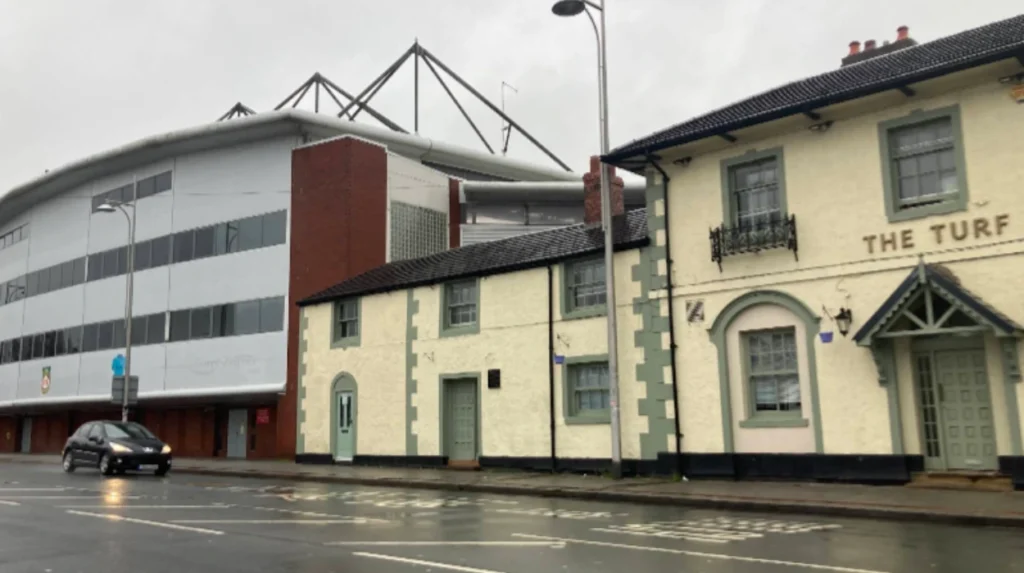
Wrexham AFC, with a storied past, gained global fame via Ryan Reynolds and Rob McElhenney’s 2021 takeover, promising investment and rival defeats.
The “Welcome to Wrexham” series chronicles their rise from non-league to prominence, boosting local pride and economy.
Fans include Ted Robbins, Robbie Savage, and Tim Vincent; match days energize the city center.
Vibrant Culture and Events
Wrexham pulses with festivals like International Spirit Fest ’25, featuring multicultural dance in Queen’s Square, funded by Arts Council of Wales.
The National Eisteddfod and ongoing events at Ty Pawb promote arts and community cohesion.
Local talent shines alongside international performers, fostering cultural exchange.
Why Visit Wrexham Today
Wrexham merges heritage with contemporary buzz, ideal for history buffs, sports fans, and nature lovers. Its economic vitality and growing tourism make it a must-see in Wales.
