

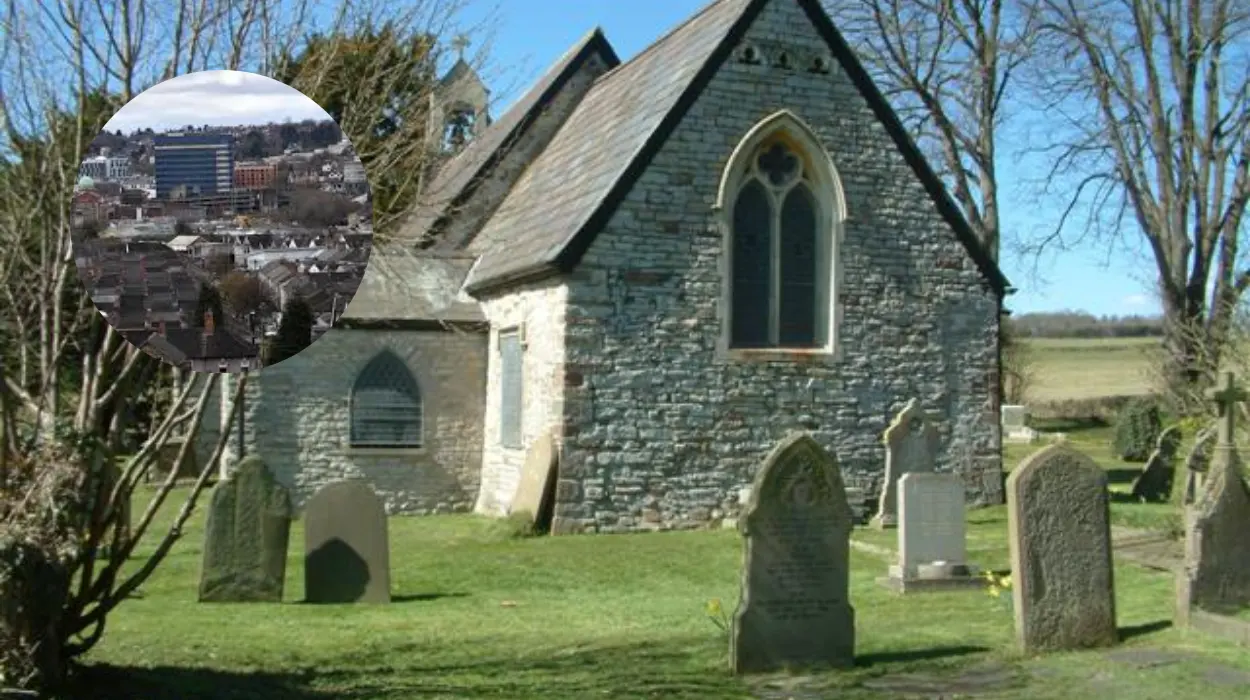
Langstone stands as a picturesque village that blends ancient history with modern rural charm, Nestled in the heart of Newport, Wales. This community captivates visitors and residents alike with its rich heritage and serene landscapes.
The Origins and Name of Langstone
Langstone’s story begins deep in medieval times, when records first mention it as “Villa Segan,” a name translating to “land of the swamp.” This evocative title reflected the village’s position amid marshy grounds and winding waterways, shaping its early identity as a place intertwined with the natural ebb and flow of the Gwent Levels. Farmers and settlers navigated these wetlands, turning challenging terrain into fertile fields that sustained generations. Over centuries, the name evolved into Langstone, honoring the sturdy stone structures that dotted the landscape and symbolized human resilience against the elements.
The village’s location along key ancient routes, like the precursor to today’s A48 Chepstow Road, made it a vital stop for travelers. Historical maps from the 10th century onward show Langstone as a modest cluster of homes and farms, where daily life revolved around the rhythms of the seasons. This enduring connection to its watery origins continues to define the area’s character, drawing those who seek a peaceful escape from urban hustle.
Historical Evolution Through the Centuries
In 1801, Langstone’s population hovered at just 126 souls, a tight-knit group primarily engaged in agriculture. By 1901, this figure had nearly doubled to 206, signaling gradual growth fueled by improved farming techniques and better connectivity. The 19th century brought subtle shifts, with the village serving as a hub for small-scale trade, including coal deliveries from distant shores and local oyster fisheries that once thrived in the nearby estuary.
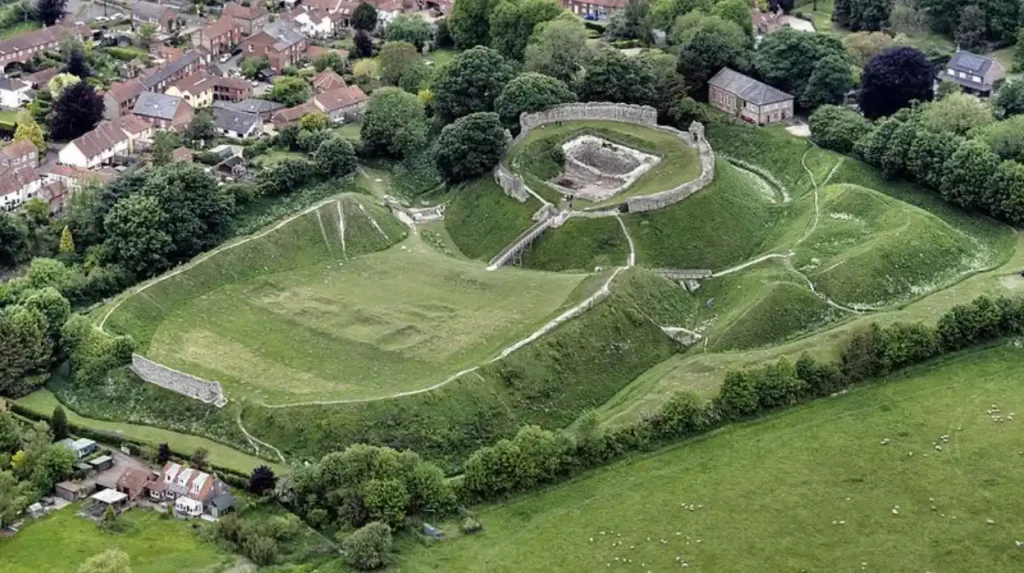
The 20th century marked a turning point. The construction of the M4 motorway in the 1960s unearthed significant archaeological finds, including the Langstone Mound and Bailey Castle, a motte-and-bailey fortress from Norman times. This discovery highlighted Langstone’s role in medieval defense strategies, as lords fortified the area against invaders. Postwar prosperity spurred further change; by the 2001 census, the population had surged to 3,905, reflecting an influx of families drawn to its rural allure just minutes from city amenities.
Today, Langstone remains a community in flux, balancing preservation with progress. Its evolution mirrors broader Welsh rural narratives, where tradition meets contemporary living in harmonious tension.
Key Historical Landmarks and Monuments
Langstone boasts several scheduled ancient monuments that whisper tales of bygone eras. Kemeys Inferior Motte, a classic motte-and-bailey castle, stands as a testament to Norman engineering, its earthen mound rising defiantly from the flatlands. Nearby, Pencoed Castle and the moated Langstone Villa site evoke images of medieval nobility, where moats provided both defense and a touch of grandeur amid the swamps.
The parish church, dating to the 13th century, anchors the village’s spiritual history. Extended in the 16th and 17th centuries and restored in 1907, this Grade II listed building features sturdy stonework and simple Gothic arches that have witnessed baptisms, weddings, and funerals for over 800 years. Kemeys Manor, another 13th-century survivor, was home to the Kemeys family until the 1700s. Its tower, hall, and ranges expanded over time, offering a glimpse into the lives of South Wales’ medieval elite.
In 2018, drought conditions revealed crop marks of a prehistoric or Roman farm near the village, swiftly documented by the Royal Commission on the Ancient and Historical Monuments of Wales before rains erased them. These sites, from Pen-toppen-ash earthworks to Caer Licyn, underscore Langstone’s layered past, inviting archaeologists and history enthusiasts to uncover more.
The Parish Church: A Spiritual Beacon
St. Mary’s Church, though without a confirmed patron saint, serves as Langstone’s ecclesiastical heart. Constructed in the 13th century from local stone, its nave and chancel expansions reflect the prosperity of Tudor and Stuart eras. The 1907 restoration preserved its medieval essence while adding Victorian touches, such as stained-glass windows depicting biblical scenes that filter sunlight into warm patterns across pews.
Worship here falls under the Netherwent Ministry Area, fostering community ties through services that echo centuries-old rituals. Gravestones in the churchyard chronicle village life, from farmers lost at sea to merchants who shaped local trade. Visiting the church feels like stepping into a living timeline, where the scent of aged wood mingles with the distant call of seabirds.
Growth and Modern Development
The original Langstone was a linear village strung along the A48 and Tregarn Road, a sleepy hamlet of thatched roofs and cobblestone paths. The 1990s housing boom transformed it, with estates sprouting along Catsash Road, Magor Road, and beyond. New residents, commuting via the M4, sought the best of both worlds: countryside peace and urban access.
This expansion brought amenities like schools and shops, yet preserved green spaces that define the village. Developments respect planning guidelines from newport/newport-council/">Newport City Council, ensuring low-rise designs blend with the landscape. Population growth has diversified the community, attracting professionals, families, and retirees who value Langstone’s low crime rates and strong sense of neighborliness.
Langstone’s Unique Landscape and Environment
Surrounded by the Gwent Levels, Langstone’s flat expanses of reclaimed marshland form a patchwork of fields, ditches, and grazing pastures. This Area of Outstanding Natural Beauty (AONB) supports rare wildlife, from water voles to skylarks, thanks to traditional management practices. The nearby estuary, once bustling with oyster beds, now offers tranquil walks where visitors spot herons and egrets amid tidal flows.
Reclamation efforts dating to Roman times turned swamps into arable land via dykes and rhines, a system still maintained by local farmers. Climate change poses challenges, with rising seas threatening these lowlands, prompting innovative flood defenses championed by Natural Resources Wales. Langstone’s environment rewards explorers with cycling paths and birdwatching hides, embodying sustainable coexistence with nature.
Community Life and Daily Rhythm
Village life in Langstone pulses with quiet energy. The primary school nurtures young minds amid historic surroundings, while community halls host events from harvest festivals to summer fetes. Pubs like the Olde Village Inn serve as social hubs, pouring pints alongside tales of local lore.
Residents cherish traditions, such as the annual show featuring homemade jams and prize livestock, fostering intergenerational bonds. Sports clubs thrive, with football pitches echoing with youthful cheers on weekends. This communal spirit, rooted in agricultural heritage, makes Langstone feel like an extended family.
Economic Shifts: From Farms to Commuter Haven
Historically agrarian, Langstone’s economy centered on dairy, crops, and coastal trade. 19th-century quays handled coal and manure, sustaining farms until mechanization altered the landscape. Today, most villagers commute to Newport, Cardiff, or Bristol, leveraging the M4 for high-tech, finance, and service jobs.
Local businesses endure, from farm shops selling organic produce to artisan bakeries. Tourism bolsters the economy, with B&Bs and guided history tours drawing day-trippers. Newport City Council’s initiatives support small enterprises, ensuring Langstone’s high street remains vibrant without succumbing to chain stores.
Notable Figures and Local Legends
Langstone’s annals feature the Kemeys family, lords who fortified the manor against rivals. Rev. Walter Bingley, visiting in 1817, chronicled the declining oyster trade, blaming overfishing by outsiders. Modern notables include community leaders who’ve championed conservation, like those preserving motte sites during motorway builds.
Legends abound, such as ghostly apparitions at Pencoed Castle, where a lady in white wanders moonlit ruins. These stories, passed down at village gatherings, add mystique to Langstone’s appeal.
Attractions and Things to Do
Explore Langstone Court, a stately home turned events venue, or stroll Llanbedr’s remnants, once a hamlet with a repurposed church. Cyclists tackle the National Cycle Network routes, weaving through levels to Magor Marsh nature reserve. Families picnic at meadow edges, while history buffs join archaeology walks organized by the Gwent Antiquarian Society.
Seasonal highlights include bluebell woods in spring and harvest views in autumn. Anglers cast lines in reedy channels, and photographers capture mist-shrouded sunrises over the estuary.
