

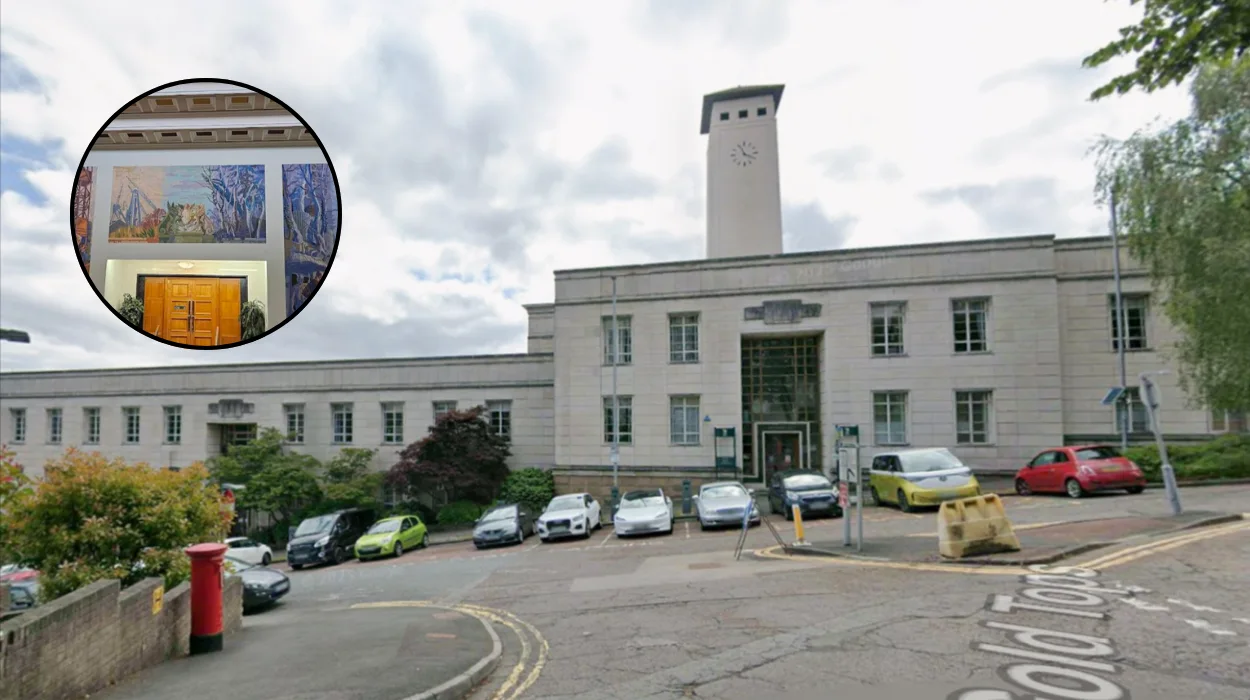
newport/newport-council/">Newport City Council stands as the vital heartbeat of local governance in Newport, Wales, serving over 150,000 residents with essential services and visionary projects. This comprehensive evergreen guide delves into its storied past, operational framework, and lasting contributions, crafted for searches like “Newport City Council Wales,” “Newport local government,” and “Newport council services.”
Historical Roots
Newport’s local authority traces its origins to the 14th century as a mesne borough centered around the imposing Newport Castle, constructed in the early 12th century. A Royal Charter from James I in 1623 formalized its incorporation, later confirmed by Charles II in 1685, establishing a corporation with a mayor, 12 aldermen, a recorder, and two bailiffs to manage law, order, and borough matters.
The Municipal Corporations Act of 1835 ushered in democratic reforms, creating an elected borough council alongside the launch of Newport Borough Police in 1836. By 1891, Newport earned county borough status, freeing it from Monmouthshire County Council’s oversight and granting fuller administrative control.
Local government reorganization in 1974 expanded the borough to encompass Caerleon Urban District and rural areas like Magor and St Mellons, forming a vast 46,976-acre domain shared with Gwent County Council. The 1996 shift to unitary status absorbed Gwent’s roles, and in 2002, Queen Elizabeth II bestowed city status during her Golden Jubilee, officially dubbing it Newport City Council.
Governance Structure
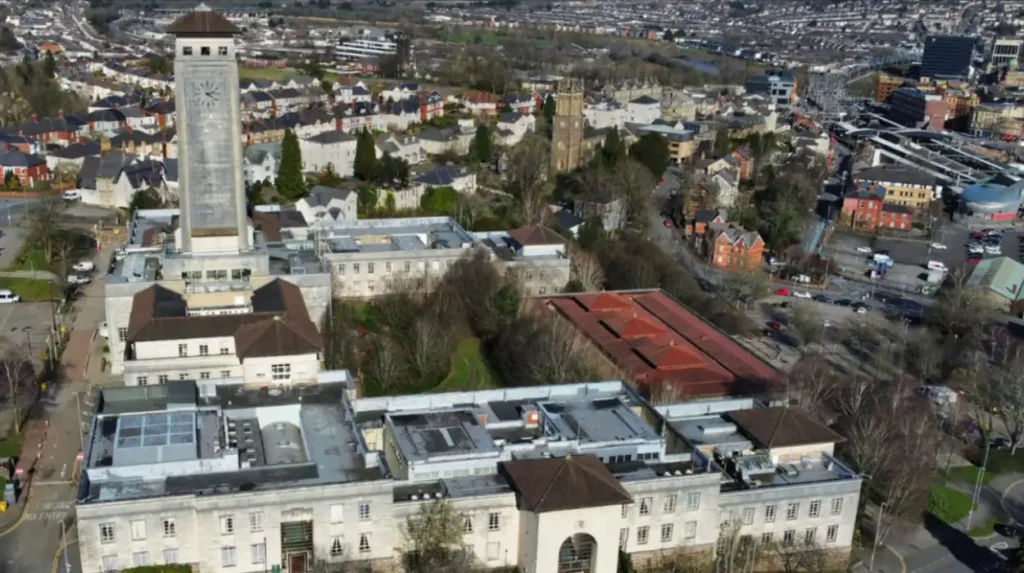
Operating as one of Wales’ 22 principal unitary authorities, Newport City Council oversees all local services from its striking headquarters at Newport Civic Centre, a 1964 architectural gem designed by Thomas Cecil Howitt. The council features 51 councillors representing 20 wards, elected every five years, with the next poll slated for 2027.
Labour has dominated since 2012, securing 33 seats in the 2022 elections, followed by Conservatives with 7, the Newport Independents Party at 3, plus Greens, Liberal Democrats, and independents filling the rest. Leader Dimitri Batrouni, in office since May 2024, steers political strategy, while the annually elected civic mayor fulfills a ceremonial role.
Wards such as Allt-yr-yn, Alway, and Caerleon—each with three councillors—mirror community boundaries, supplemented in some rural spots like Bishton and Langstone by parish councils for hyper-local input.
Core Responsibilities
Under Welsh legislation, Newport City Council manages critical domains including social care, education, housing, planning, waste collection, and road maintenance, all subject to rigorous performance reviews for efficiency and accountability. Economic growth, environmental safeguards, leisure facilities, and transport enhancements round out its mandate, guided by Welsh Government standards.
Sustainability drives recent efforts, exemplified by fleet decarbonization initiatives that introduced electric waste trucks, vans, and charging stations at nine depots, slashing emissions by 80% en route to net-zero ambitions by 2030. Planning authority fuels regeneration, balancing development with heritage preservation across the River Usk estuary.
Key Achievements
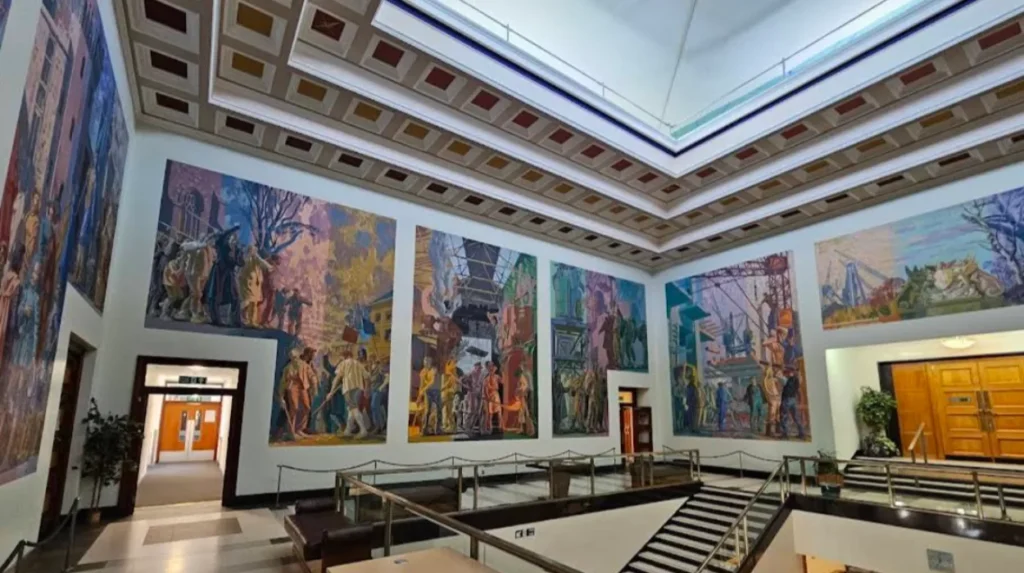
The council masterfully merges preservation with progress, notably commissioning a 2019 replica Chartist Mural by artist Oliver Budd—four vivid panels honoring the 1839 Newport Rising—after public outcry over demolishing the 35-year-old original amid fiscal strains.
The Business Improvement District “Newport Now,” launched in 2015, injects vitality into the city centre via business collaborations on enhancements and events. Procurement strategies for 2025-2030 prioritize Scope 3 emission cuts, air source heat pumps, and rooftop renewables, while the £22 million Vibrant and Viable Places program wrapped in 2017, leveraging £45 million in private funds to spawn 1,600 jobs and Friars Walk’s revival.
Central View Apartments, a £11 million project completed in 2020, delivered 38 modern units plus commercial spaces, underscoring commitment to viable urban living.
Challenges Faced
No governance body escapes scrutiny; the 2013 Chartist Mural saga sparked nationwide debate on cultural erasure under budget duress. Staff upheavals, including Chief Executive Will Godfrey’s 2019 exit and subsequent interim leadership, exposed recruitment hurdles.
Ongoing critiques target school transport delays in 2019 and responses to anti-social behaviour, prompting measures like the nightly Public Spaces Protection Order for Market Arcade. Budget strains persist, with adult services devouring £76.4 million and education £23.2 million annually, alongside infrastructure pushes like a £4 million railway footbridge.
Carbon neutrality by 2030 anchors the council’s horizon, bolstered by 2025 procurement laws mandating green supply chains. Regeneration persists through housing expansions, economic hubs, and eco-friendly infrastructure, aligning with Wales’ public sector decarbonization push.
Community ties strengthen via ward forums, Newport Now events, and pilots like Sustrans Cymru’s school safety barriers. Rooted in Roman Caerleon (AD 75), Newport City Council propels this port city toward sustainable prosperity at the River Usk’s gateway.
For engagement, newport.gov.uk offers council meetings, service portals, and feedback channels, empowering residents in this resilient local authority.
