


Wales contains 1,680 miles of coastline with 40 Blue Flag beaches operating along its maritime boundaries in 2024. The geography of Wales beaches features carboniferous limestone cliffs, expansive intertidal sand flats, and protected coastal sand dunes. The Welsh coast borders the Irish Sea, St George Channel, and Bristol Channel. Coastal ecosystems in Wales support diverse marine species, including gray seals, harbor porpoises, and choughs. The Wales Coast Path provides unified public pedestrian access along the entire national coastline since its opening in May 2012.
- What Are the Key Geographical Features Defining Wales Beaches?
- How Do Environmental Standards and Conservation Impact Welsh Coastlines?
- What Are the Top Destinations and Regions for Visiting Wales Beaches?
- How Does the Wales Coast Path Support Coastal Tourism and Infrastructure?
- Frequently Asked Questions
Wales beaches formed through complex geological processes spanning millions of years. Glacial retreat during the Late Devensian glaciation approximately 12,000 years ago carved deep valleys and deposited rich glacial till across coastal landscapes. Marine erosion subsequently reshaped the soft sediments while exposing hard rock formations like Precambrian schists in Anglesey and Devonian red sandstone in Pembrokeshire. Tidal ranges along the Bristol Channel reach up to 12 meters, creating dynamic intertidal zones that exposed ancient submerged forests at Borth and Rhossili during extreme low tides.
The spatial distribution of coastal environments in Wales falls into three distinct geographic regions. North Wales features sheltered bays and extensive shingle ridges alongside the Menai Strait. West Wales contains exposed Atlantic coastlines with high wave energy environments like Whitesands Bay and Freshwater West. South Wales encompasses limestone cliffs, tidal estuaries, and urbanized coastal stretches along uk/local/swansea/">Swansea Bay and the Gower Peninsula. Each regional marine framework produces distinct sediment transport patterns, wave climate variations, and localized coastal habitats across the country.
Coastal management in Wales operates through Shoreline Management Plans administered by Natural Resources Wales and local maritime authorities. Managed retreat, hold the line, and advance the line policies protect human infrastructure while maintaining natural sediment movement. Marine Conservation Zones, such as the Skomer Island MCZ established in 2014, protect seabed habitats and fragile benthic communities. Sustainable coastal management ensures these natural assets continue to mitigate storm surges, support coastal biodiversity, and maintain natural heritage values across future generations.
What Are the Key Geographical Features Defining Wales Beaches?
Wales beaches feature carboniferous limestone cliffs, tidal mudflats, and sand dune ecosystems that shield inland coastal habitats. The coastline features extreme tidal ranges reaching 12 meters along the Bristol Channel, exposing vast intertidal zones during low tides.
The physical composition of Welsh coastlines relies on localized geology and hydrodynamic energy inputs. High-energy Atlantic coastlines in Pembrokeshire display towering sea stacks, blowholes, and natural arches like the Green Bridge of Wales. Low-energy sheltered estuaries, such as the Dyfi Estuary, foster extensive salt marshes and soft mud deposits that harbor specialized flora. Sand dune systems, including Merthyr Mawr and Newborough Warren, form natural coastal defense structures reaching heights over 60 meters. Sedimentary drift along the coast continuously moves gravel, shingle, and fine sand particulates northwards and eastwards. This active transport mechanism creates dynamic coastal spits like Shell Island in Gwynedd.
Dynamic tidal environments dictate the spatial arrangement of intertidal flora and fauna along these shorelines. Upper intertidal zones support drought-resistant species like channelled wrack and barnacles capable of enduring prolonged atmospheric exposure. Lower intertidal zones harbor dense kelp forests and diverse anemone populations that require continuous marine immersion. Sediment distribution directly influences burrowing organisms, with lugworms and tellin bivalves dominating fine sand environments. Rock pools trapped in eroded limestone shelves create isolated micro-environments that sustain juvenile fish species during low tide intervals. Understanding these physical structures allows environmental managers to monitor shoreline stability and ecological health effectively.
How Do Environmental Standards and Conservation Impact Welsh Coastlines?

Wales beaches adhere to international environmental standards enforced by Natural Resources Wales, including strict Blue Flag criteria. Water quality testing monitors bacterial counts to protect marine health, while Special Areas of Conservation preserve fragile coastal species.
Environmental governance across Welsh coastlines utilizes a multi-tiered regulatory framework to maintain ecological integrity and public safety. Bathing water standards follow strict bacteriological benchmarks measuring Escherichia coli and intestinal enterococci levels throughout the official bathing season from May to September. Designated SAC sites under the Habitats Directive safeguard critical marine mammals, including the resident bottlenose dolphin population in Cardigan Bay. Local authorities implement strict waste management protocols and seasonal dog restrictions to preserve coastal hygiene and protect nesting shorebirds like ringed plovers. These conservation parameters ensure sustainable human interaction alongside delicate natural habitats.
Clean water initiatives directly correlate with increased marine biodiversity and coastal ecosystem resilience. Reduced agricultural runoff and upgraded wastewater treatment facilities prevent toxic algal blooms and oxygen depletion in sheltered bays. Protected marine areas allow fish stocks to recover, which supports top predators like gray seals and sea birds. Dune restoration projects remove invasive species like sea buckthorn to allow native sand couch grass and marram grass to stabilize moving sand structures naturally. Public compliance with environmental guidelines preserves these habitats against accelerated erosion and human degradation over long periods.
What Are the Top Destinations and Regions for Visiting Wales Beaches?
The top regions for Wales beaches include the Gower Peninsula, Pembrokeshire Coast National Park, Anglesey, and the Llŷn Peninsula. Key beaches include Rhossili Bay, Barafundle Bay, Benllech Beach, and Abersoch, each serving unique coastal functions.
Regional distribution provides varied coastal experiences depending on geographic exposure and localized infrastructure development. The Gower Peninsula, designated as the UK first Area of Outstanding Natural Beauty in 1956, features dramatic sweep bays like Rhossili and Oxwich. Pembrokeshire Coast National Park contains over 50 protected beaches, with Barafundle Bay and Freshwater West drawing visitors for pristine sand dunes and surf breaks. Anglesey offers sheltered eastern coastlines ideal for family recreation alongside rugged northern shores supporting breeding seabird colonies. The Llŷn Peninsula mixes historic fishing harbors with expansive sandy bays like Pwllheli and Hell Mouth.
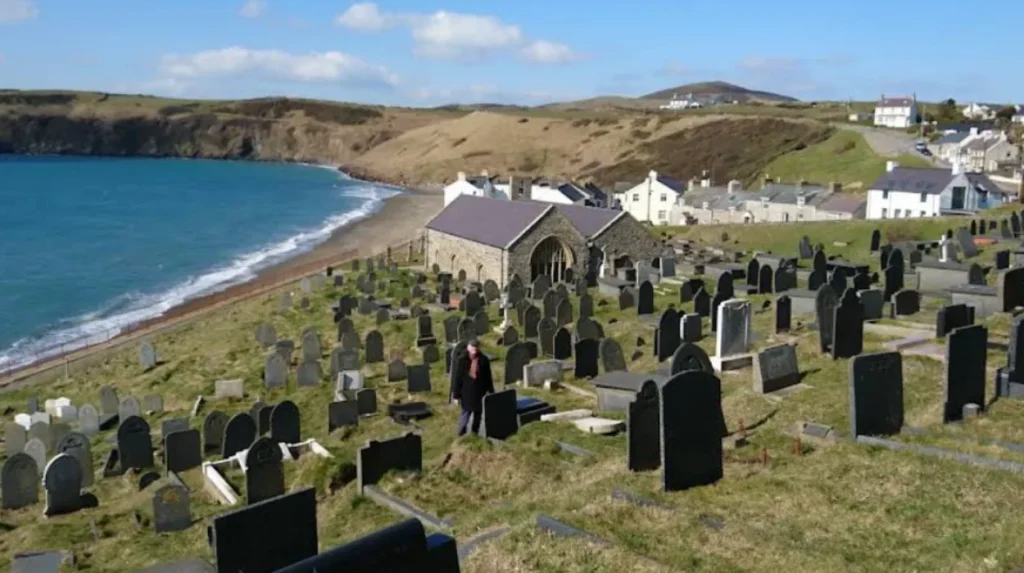
Coastal accessibility varies significantly across these distinct geographic designations to balance tourism with environmental protection. Developed urban shorelines like Tenby North and Barry Island provide boardwalk access, lifeguard coverage, and concrete slipways for watercraft. Remote coastal destinations, such as Marloes Sands or Porth Iago, require foot access along steep cliff paths, limiting crowd density and human footprint. Public transport integration along coastal routes, including the Sherpa’r Eryri bus network, connects inland communities directly to maritime access points. Visitors choose specific coastal sectors based on recreational requirements, ecological interest, and required accessibility services.
How Does the Wales Coast Path Support Coastal Tourism and Infrastructure?
The Wales Coast Path covers 870 miles of continuous walking trail along the national coastline, boosting local tourism economies. It connects rural communities, promotes public health, and provides managed access points that prevent indiscriminate trampling of vulnerable sand dunes.
The implementation of unified coastal access infrastructure transformed regional economic development and environmental monitoring protocols across Wales. The path links seamlessly with off-road public transport networks, encouraging car-free tourism across sensitive coastal sectors. Strategic trail placement directs pedestrian traffic away from fragile cliff-top habitats and nesting bird territories, reducing overall ecological disturbance. Local businesses, including accommodation providers and eateries, experience sustained trade due to year-round long-distance walkers. Trail maintenance crews regularly inspect path surfaces, installing boardwalks over boggy terrain and replacing eroded steps to maintain public safety standards continuously.
Sustained investment in coastal path maintenance ensures long-term infrastructure resilience against severe winter storms and sea level rise. Real-time path updates inform hikers of temporary diversions caused by localized cliff falls or coastal erosion events. Interpretive signage along key sections educates visitors regarding maritime history, local wildlife, and geological formations. The trail also acts as a continuous research corridor for ecologists monitoring the spread of invasive plant species and coastal habitat shifts. Unified coastal path infrastructure remains a global benchmark for balancing public land access with rigorous nature conservation.
Frequently Asked Questions
Which Wales beaches allow dogs all year round?
Rhossili Bay in Gower, Freshwater West in Pembrokeshire, and Jackson Bay in Barry allow dogs year-round without seasonal restrictions. Many other Welsh beaches enforce partial dog bans on specific central sand sections between May 1 and September 30 annually.
How do I check water quality for beaches in Wales?
Natural Resources Wales publishes regular bathing water quality updates on its official online portal throughout the summer season. Monitoring stations measure bacterial levels weekly at designated bathing sites to classify water quality as Excellent, Good, Sufficient, or Poor.
What is the best time of year to visit Wales beaches?
The summer months of July and August offer the warmest sea temperatures and full lifeguard coverage across major Welsh beaches. Spring and autumn provide excellent conditions for coastal walking, wildlife watching, and avoiding peak tourist crowds along the Wales Coast Path. Winter months bring powerful Atlantic swells, making it the ideal season for experienced surfers and storm watchers.
Are Wales beaches safe for swimming and watersports?
Most designated bathing beaches in Wales are safe for swimming, but tide times and rip currents require careful attention. RNLI lifeguards patrol major popular beaches like Tenby, Whitesands, and Trecco Bay during the peak summer season.
Where can I see gray seals and marine wildlife on Welsh coastlines?
Cardigan Bay, Skomer Island, and the coastal waters around Anglesey support large populations of gray seals, dolphins, and harbour porpoises. Seal pups are frequently sighted in secluded coves along the Pembrokeshire and Ceredigion coasts between August and December.