
Gwynedd is a principal area and historic county located in northwest Wales featuring a diverse economy anchored by public administration education healthcare and tourism. The region covers an extensive geographic area characterised by the Snowdonia National Park coastline and rural communities which directly shape its unique labour market dynamics.
- How does tourism and hospitality drive employment in Gwynedd?
- What role does public administration education and healthcare play in local employment?
- What manufacturing and renewable energy opportunities exist in Gwynedd?
- What are the key employment challenges and future outlook for job seekers in Gwynedd?
- Frequently Asked Questions
Public sector employers such as uk/local/bangor/">Bangor University and the Gwynedd Council serve as primary economic anchors providing stable administrative and professional positions for local residents. Historical industrial activities including slate mining have evolved into modern manufacturing and renewable energy sectors creating technical job opportunities across the area. Economic development initiatives led by local authorities focus on retaining working age populations by fostering entrepreneurship and attracting green energy investments to remote communities. Strategic transport links via the A55 dual carriageway connect Gwynedd to wider British markets facilitating commercial growth and business expansion throughout North Wales.
Local enterprise partnerships work alongside academic institutions to align vocational training programs with regional skill shortages ensuring sustainable employment pathways for job seekers. Demographic trends indicate an ageing population which increases employment demand within health and social care services across both urban and rural settlements. Understanding these foundational economic drivers enables job seekers to identify viable employment sectors that align with regional growth patterns and long term career objectives.
How does tourism and hospitality drive employment in Gwynedd?
Tourism and hospitality represent major economic drivers in Gwynedd generating thousands of seasonal and permanent employment opportunities across hotels restaurants and outdoor adventure attractions. The Snowdonia National Park attracts millions of visitors annually creating sustained demand for accommodation management culinary staff and tour guides throughout the calendar year.
Local businesses benefit from outdoor recreation tourism including hiking mountain biking and heritage railway operations which require specialized customer service and logistical personnel. Seasonal fluctuations require effective workforce management strategies with employers offering flexible contracts and training programs to upskill hospitality personnel across the region. Destination marketing campaigns implemented by regional tourism partnerships extend the visitor season into autumn and winter months supporting year round employment retention. Hospitality careers in Gwynedd encompass front of house operations kitchen management housekeeping and digital marketing roles for boutique hotels and holiday parks.
Small and medium enterprises dominate the tourism sector providing close knit working environments and opportunities for career progression into management positions. Municipal investments in visitor infrastructure enhance the overall visitor experience while creating steady construction and maintenance jobs within coastal and rural communities. Evaluating the hospitality landscape helps candidates navigate seasonal employment trends and secure stable roles within this vibrant economic sector.
What role does public administration education and healthcare play in local employment?
Public administration education and healthcare constitute the largest employment sectors in Gwynedd offering secure professional positions with structured career progression pathways. Bangor University serves as a major employer and research institution employing academic researchers administrative staff and technical specialists within higher education. The Betsi Cadwaladr University Health Board operates hospitals and community health centres across Gwynedd providing clinical nursing medical and support service jobs.
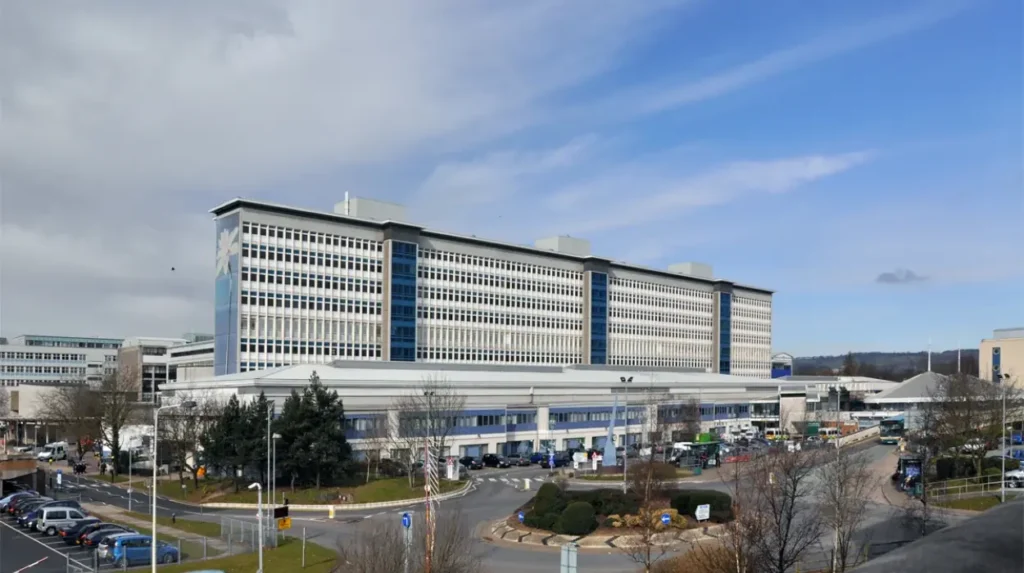
Local government administration through Gwynedd Council encompasses social work civil engineering town planning and financial management positions serving the local population. Educational institutions ranging from primary schools to further education colleges employ teachers teaching assistants and facility management personnel across rural districts. Public sector roles typically offer comprehensive pension schemes professional development opportunities and standardized employment contracts that appeal to career oriented professionals.
Rural healthcare delivery requires specialized domiciliary care workers and district nurses to support elderly residents living in isolated geographic locations. Administrative coordination within public services relies heavily on bilingual proficiency in Welsh and English reflecting the cultural identity of the region. Analysing public sector employment trends demonstrates the stability and diverse career opportunities available for professionals seeking long term employment in Gwynedd.
What manufacturing and renewable energy opportunities exist in Gwynedd?
Manufacturing and renewable energy sectors provide critical high value employment opportunities diversifying the traditional economic base of Gwynedd beyond tourism and agriculture. Advanced manufacturing enterprises operate across industrial estates in towns such as Caernarfon and Porthmadog producing aerospace components electronics and specialized engineering goods.
Offshore wind farms and onshore hydroelectric projects located in Gwynedd harness natural resources to generate clean electricity supporting technical engineering jobs. Maintenance technicians project managers and electrical engineers oversee the operational integrity of renewable energy infrastructure situated across challenging terrain. The transition toward net zero carbon emissions stimulates ongoing investment in green technologies creating apprenticeships for young workers entering the engineering field.
Manufacturing firms collaborate with regional colleges to deliver specialized vocational training ensuring local workforces acquire advanced technical competencies required by modern industries. Supply chain logistics associated with manufacturing operations support warehouse management distribution and heavy goods vehicle driving positions throughout the region. Government grants and regional development funds continue to incentivize industrial innovation and business expansion within designated enterprise zones in North Wales. Examining the manufacturing and renewable energy sectors reveals robust technical career paths for individuals possessing specialized engineering and operational skill sets.
What are the key employment challenges and future outlook for job seekers in Gwynedd?

Employment in Gwynedd presents distinct challenges including rural depopulation seasonal wage disparities and the necessity of bilingual communication skills for specific roles. Geographic isolation can limit daily commuting radiuses requiring remote working solutions or relocation for professionals pursuing specialized corporate careers. Economic diversification efforts aim to mitigate seasonal unemployment by fostering digital technology hubs and creative industries across rural communities.
Strategic infrastructure projects such as digital fiber broadband expansions facilitate remote employment enabling residents to work for national employers while living locally. Educational providers continually adapt curriculum designs to match emerging industry requirements ensuring graduates possess competitive skill sets for modern job markets. Collaborative initiatives between local government and private enterprises focus on retaining young professionals through affordable housing developments and targeted career incentives.
Future economic projections highlight growth in green energy digital services and specialized healthcare supporting a resilient and adaptable regional workforce. Comprehensive career planning combined with awareness of regional development priorities empowers job seekers to navigate the Gwynedd employment market effectively. Assessing future employment trends provides valuable insights for individuals aiming to build sustainable and rewarding careers in northwest Wales.
Frequently Asked Questions
What are the most common jobs available in Gwynedd Wales?
The most common jobs in Gwynedd are concentrated in tourism and hospitality public administration education health and social care and retail. Seasonal roles thrive in outdoor adventure and hotel sectors while year round positions exist within local government and educational institutions.
Is speaking Welsh required to find a job in Gwynedd?
Bilingual proficiency in Welsh and English is essential for specific public sector roles customer facing positions and local administration jobs. However numerous private sector manufacturing tourism and technical roles do not strictly require Welsh language skills for employment.
How does the seasonal economy affect employment in Gwynedd?
The seasonal economy creates a high volume of tourism and hospitality jobs during spring and summer months followed by reduced demand in winter. Many local employers mitigate this fluctuation by offering year round contracts or combining hospitality work with winter retail roles.
What industries are growing fastest in Gwynedd?
Renewable energy advanced manufacturing digital technology and specialized health and social care represent the fastest growing employment sectors in the region. Investments in green infrastructure and remote working capabilities continue to drive modern job creation.
How can international or out of area applicants find work in Gwynedd?
Applicants from outside the region can utilize online job portals recruitment agencies and direct employer websites focusing on Bangor University and Gwynedd Council vacancies. Securing accommodation prior to relocation is recommended due to housing market dynamics in rural and coastal areas.