
Wild camping in Wales is strictly illegal without explicit permission from the landowner. The Countryside and Rights of Way Act 2000 designates specific access land for walking, but this legislation explicitly excludes overnight stays, pitching tents, and vehicle parking.
- How Can You Obtain Permission For Wild Camping Wales?
- What Are The Best Locations For Wild Camping Wales?
- What Are The Essential Leave No Trace Rules For Wild Camping Wales?
- What Equipment Do You Need For Wild Camping Wales?
- What Are The Penalties For Illegal Encampments In Wales?
- How Does The Weather Impact Wild Camping Wales?
- What Are The Alternatives To Wild Camping In Wales?
- FAQs About Wild Camping Wales
The legal framework governing land access in Wales operates under strict property laws that protect private ownership. Almost all land across the country belongs to private individuals or organizations. The Welsh government enforces 2 distinct legal codes (such as civil trespass laws, environmental protection regulations) to manage unauthorized encampments. Visitors must understand that national parks do not function as public land for unrestricted overnight stays. The authorities classify unauthorized camping as a civil trespass offense.
Landowners possess the legal right to demand the immediate removal of anyone camping without consent. If individuals refuse to leave the property, the situation escalates from a civil matter to a criminal offense under aggravated trespass laws. Police forces maintain 3 specific powers (such as issuing dispersal orders, confiscating equipment, levying financial fines) to deal with non-compliant campers. Fines for illegal camping reach up to 2500 pounds for severe environmental damage. Law enforcement agencies routinely patrol popular tourist zones to prevent unauthorized overnight stays.
The Dartmoor exception in England does not apply anywhere within Welsh borders. The Supreme Court ruling regarding Dartmoor remains entirely separate from Welsh jurisdiction. The Welsh government requires visitors to utilize official facilities or secure prior written consent. Legal camping requires individuals to directly approach property owners before erecting any shelter. The landscape contains 3 primary ownership categories (such as private agricultural farms, forestry commission zones, national trust estates) that dictate access permissions.
How Can You Obtain Permission For Wild Camping Wales?
Campers must obtain direct permission from the specific landowner before setting up any overnight accommodation. This process requires identifying the property owner, making respectful contact, detailing the exact camping plans, and securing clear verbal or written consent prior to arrival.
Identifying the landowner represents the most significant hurdle for prospective campers. Visitors use 3 reliable methods (such as consulting local farmhouses, checking land registry maps, utilizing designated outdoor access applications) to find the correct property owner. Many agricultural boundaries lack clear signage regarding ownership details. Outdoor enthusiasts must allocate sufficient time to locate the responsible party before the sun sets. Arriving late and assuming consent exists leads directly to eviction and potential legal trouble.
Communication with the landowner must occur respectfully and transparently. Campers need to provide 4 specific details (such as the exact number of people, the intended duration of stay, the type of shelter, the waste management plan) when requesting access. Property owners base their decisions on the perceived environmental impact of the visitors. Many farmers welcome responsible individuals who demonstrate a clear understanding of ecological preservation. Offering a small financial payment often increases the likelihood of a positive response.
Written consent provides the highest level of security for visitors. Digital platforms now connect travelers with landowners who pre-approve small-scale encampments. These platforms offer 3 clear benefits (such as guaranteed legal access, precise GPS coordinates, pre-arranged arrival times) for outdoor enthusiasts. Securing permission ensures peace of mind and prevents late-night confrontations. Respecting the property owner guarantees the continuation of these informal agreements for future generations of outdoor explorers.
What Are The Best Locations For Wild Camping Wales?
The most popular locations for authorized wild camping in Wales include the rugged mountain ranges of Eryri National Park and the expansive moorlands of Bannau Brycheiniog. Visitors must secure landowner permission even in these remote and geographically stunning protected environments.
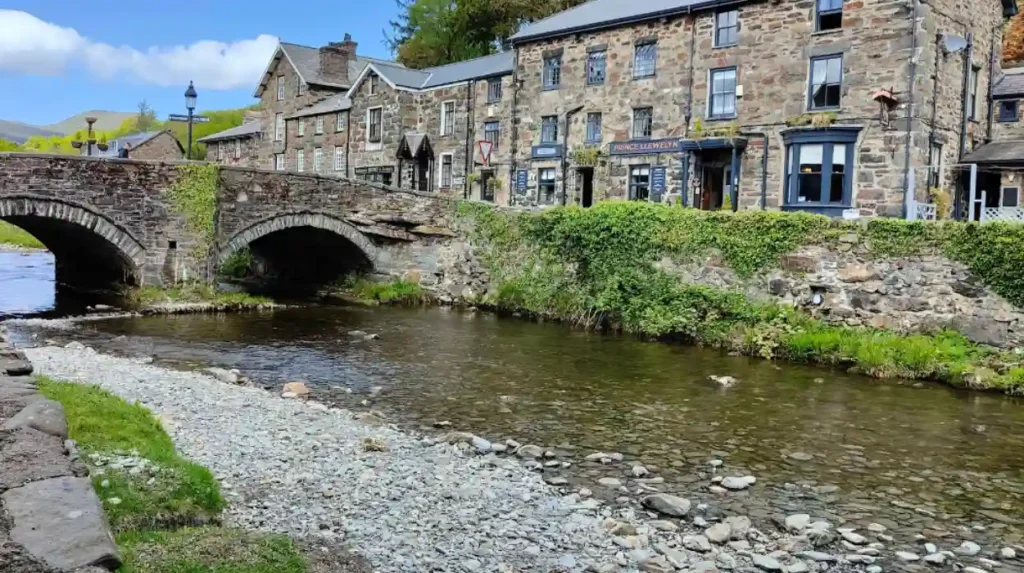
Eryri National Park attracts thousands of mountaineers seeking high-altitude outdoor experiences. This region features 3 defining geographical characteristics (such as glacial cirques, deep river valleys, jagged slate peaks) that provide dramatic backdrops. Finding flat ground for a tent requires careful navigation away from steep inclines and rocky outcrops. The park authority strictly monitors the landscape to prevent unauthorized encampments near popular trailheads. Visitors must hike significant distances from public roads to find suitable and discreet locations with prior consent.
Bannau Brycheiniog offers a completely different topographical experience for outdoor enthusiasts. The landscape contains 2 primary terrain types (such as rolling sandstone hills, expansive heather moorlands) that appeal to long-distance walkers. The region holds an International Dark Sky Reserve designation. This status attracts stargazers who seek locations free from artificial light pollution. Campers must ensure their presence does not disrupt the fragile nocturnal ecosystems present throughout the park. The open nature of the terrain makes concealment difficult during daylight hours.
The Pembrokeshire Coast presents unique challenges and rewards for coastal explorers. The terrain features 4 specific coastal formations (such as limestone cliffs, hidden sandy coves, estuarine mudflats, sea caves) along the 186-mile coastal path. High winds and rapidly changing tides pose significant risks for individuals sleeping near the shoreline. Salt spray and sandy soil require specialized shelter solutions. Securing permission from coastal farmers allows visitors to safely experience the dramatic marine environment without violating property laws.
What Are The Essential Leave No Trace Rules For Wild Camping Wales?
The Leave No Trace principles demand that campers leave the environment exactly as they found it. This involves packing out all waste, burying human excrement properly, avoiding open fires completely, and ensuring the campsite remains invisible to casual observers.
Waste management forms the foundation of responsible outdoor recreation. Campers generate 3 main types of refuse (such as food packaging, organic food scraps, sanitary products) during a typical overnight stay. Individuals must carry dedicated waterproof bags to transport all refuse back to civilization. Leaving organic waste like banana peels or apple cores disrupts local wildlife diets and takes years to decompose in cold climates. Scavenging animals routinely dig up poorly buried food items. The strict removal of all materials prevents the degradation of pristine natural areas.
Human waste disposal requires specific techniques to prevent water contamination and disease transmission. The protocol dictates 3 mandatory actions (such as walking 50 meters away from water, digging a hole 15 centimeters deep, covering the waste with natural soil) for solid waste. Toilet paper must never remain in the ground. Campers carry specialized zip-lock bags to transport used sanitary items to municipal disposal facilities. Urine should disperse over rocky ground rather than vegetation to prevent animal defoliation. Strict adherence to these rules protects the fragile upland watersheds.
Fire prevention remains a critical priority throughout the Welsh countryside. The authorities implement 2 strict prohibitions (such as banning open ground fires, forbidding disposable barbecues) to prevent catastrophic wildfires. Dry heather and peat bogs ignite rapidly and burn underground for weeks. Campers must rely entirely on portable gas or liquid fuel stoves for cooking and water purification. The use of stoves prevents scorch marks on the earth and eliminates the risk of escaping embers. Responsible individuals prioritize landscape preservation over the aesthetic appeal of a campfire.
What Equipment Do You Need For Wild Camping Wales?
Successful wild camping in Wales requires highly specialized gear designed to withstand volatile weather patterns. Essential equipment includes a waterproof shelter system, an insulated sleep setup, reliable navigation tools, and a self-contained cooking apparatus to ensure survival and comfort.
Shelter selection directly determines the safety of the camper in exposed environments. Manufacturers design 2 main tent profiles (such as low-profile tunnel tents, geodesic dome tents) specifically for high-wind conditions. The fabric must feature a high hydrostatic head rating to repel continuous sideways rain. Campers select muted colors like dark green or brown to blend seamlessly into the natural surroundings. A reliable shelter blocks wind chill and provides a dry sanctuary for gear management. Proper stake placement prevents structural failure during sudden nocturnal gales.
The sleep system prevents hypothermia during unexpected temperature drops. The setup consists of 3 integrated components (such as a waterproof ground sheet, an insulated sleeping pad, a temperature-rated sleeping bag) that work together to retain body heat. The sleeping pad stops conductive heat loss into the cold ground. Down insulation provides the best warmth-to-weight ratio for backpackers carrying their gear over long distances. Synthetic insulation performs better when exposed to extreme moisture. Choosing the correct thermal rating ensures adequate rest for the following day of travel.
Navigation and safety equipment form the final layer of essential preparation. Explorers carry 4 critical safety items (such as waterproof topographical maps, magnetic compasses, high-lumen headlamps, comprehensive first aid kits) on every expedition. Electronic navigation devices fail frequently due to cold temperatures draining battery life. A physical map and compass provide a fail-safe method for finding the correct route back to civilization. A reliable headlamp allows for safe movement around the campsite after dark. First aid supplies address minor injuries before they escalate into serious medical emergencies.
What Are The Penalties For Illegal Encampments In Wales?
Illegal encampments in Wales carry significant penalties ranging from immediate eviction to severe financial fines. Property owners utilize civil trespass laws to remove unauthorized individuals, while police enforce criminal statutes if campers refuse to leave or cause environmental destruction.
The initial consequence of unauthorized camping involves direct confrontation and immediate eviction. Landowners possess 2 specific rights (such as demanding immediate departure, requesting police assistance) when discovering trespassers. If a camper complies immediately and leaves without argument, the situation typically ends without further legal action. Property owners conduct early morning patrols to identify and remove individuals sleeping on their land. The disruption of sleep and the forced relocation process serve as immediate deterrents for unauthorized visitors.
Refusal to vacate the premises escalates the situation into a criminal matter. Law enforcement officers utilize 3 legal mechanisms (such as the Police and Criminal Evidence Act, anti-social behavior orders, the Countryside and Rights of Way Act) to manage non-compliant individuals. Aggravated trespass charges apply when campers obstruct agricultural activities or intimidate landowners. The police possess the authority to confiscate camping equipment permanently. Criminal records resulting from these encounters impact future employment and travel opportunities for the offenders.
Financial penalties target the environmental damage caused by illegal camping. Courts impose 3 specific types of fines (such as compensation for property damage, penalties for littering, fines for illegal fire setting) on convicted individuals. The maximum penalty for severe ecological destruction reaches 2500 pounds. Local authorities aggressively pursue individuals who leave large quantities of waste or damage protected vegetation. The financial risk far outweighs the cost of booking an official campsite or securing legal permission from a landowner.
How Does The Weather Impact Wild Camping Wales?
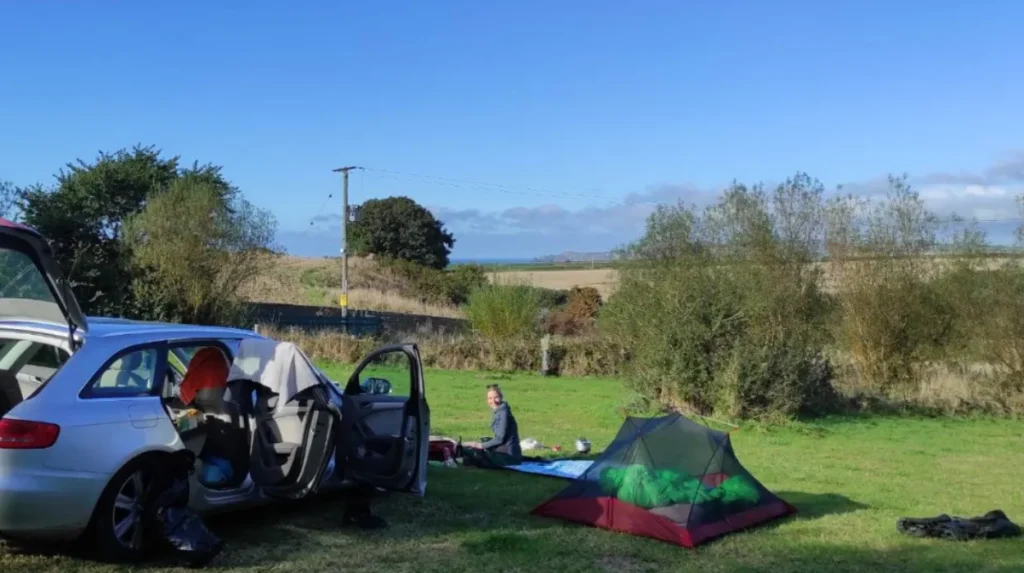
The Welsh climate features unpredictable and rapidly changing weather patterns that dictate the safety and feasibility of wild camping. Campers face intense wind speeds, sudden torrential rain, and rapid temperature fluctuations that require constant vigilance and appropriate equipment.
Wind speed dictates where campers can safely pitch their shelters. The upland areas experience 2 severe wind phenomena (such as funneling through narrow valleys, sudden downdrafts off mountain peaks) that destroy inadequate equipment. Tents placed on exposed ridges suffer catastrophic pole failures during storm systems. Campers must utilize natural windbreaks like large boulders or dry stone walls to protect their shelters. Selecting a pitch in a sheltered depression significantly reduces the strain on the tent fabric. Accurate weather forecasting helps individuals avoid the most dangerous weather systems.
Precipitation in Wales occurs frequently and often without warning. The geography creates 3 distinct moisture issues (such as localized flash flooding, ground saturation, zero-visibility fog) for outdoor enthusiasts. Rainwater rapidly fills dry gullies and causes river levels to rise unexpectedly. Pitching a tent too close to a water source invites disaster during a heavy downpour. Ground saturation forces water upward through the floor of the tent. Thick fog completely disorients hikers and makes navigation virtually impossible without a compass.
Temperature drops pose a significant risk for hypothermia throughout the year. The climate exhibits 2 dangerous temperature patterns (such as rapid evening cooling, extreme wind chill factors) even during the summer months. The temperature drops approximately 1 degree Celsius for every 100 meters of elevation gained. A warm afternoon in the valley translates to freezing conditions near the mountain summit. Campers must carry thermal layers and waterproof outer shells to manage their body heat effectively. Failure to prepare for cold conditions leads directly to dangerous medical emergencies.
What Are The Alternatives To Wild Camping In Wales?
Legal alternatives to wild camping provide the outdoor experience without the legal risks or environmental damage. Visitors utilize farm-based campsites, rural youth hostels, and basic motorhome stopovers to enjoy the Welsh landscape responsibly and comfortably.
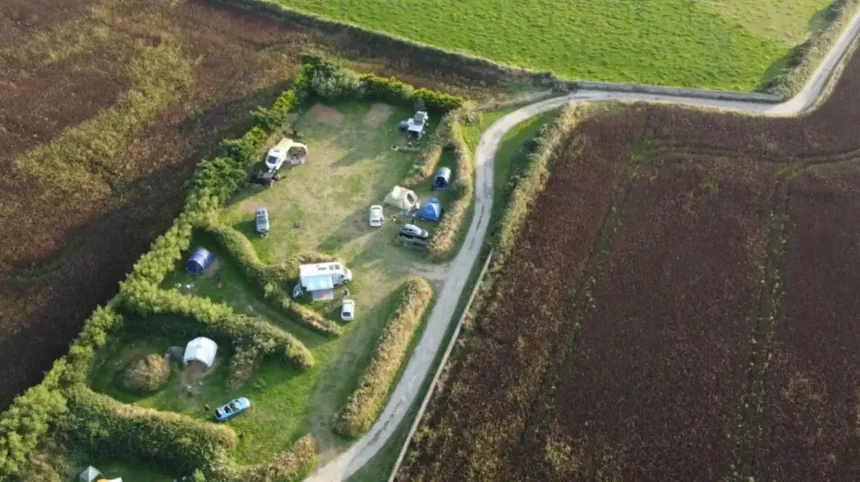
Farm-based campsites offer the closest legal equivalent to true wild camping. These locations provide 3 primary advantages (such as guaranteed legal access, minimal crowds, basic sanitation facilities) for visitors seeking isolation. Farmers allocate small, unmanicured fields for a limited number of tents each night. These sites lack the commercial infrastructure of large holiday parks, preserving the authentic outdoor atmosphere. The small fees paid by campers directly support the local agricultural economy. Booking these sites in advance guarantees a secure location for the night.
Youth hostels present a reliable alternative during severe weather conditions. The Youth Hostel Association operates 4 specific building types (such as converted rural mansions, basic mountain huts, coastal lodges, woodland cabins) throughout the national parks. These facilities provide drying rooms for wet gear, fully equipped communal kitchens, and warm beds. Hostels allow hikers to travel with significantly lighter backpacks by eliminating the need for tents and sleeping bags. The communal atmosphere encourages information sharing among outdoor enthusiasts regarding route conditions and local weather patterns.
Motorhome travelers utilize designated overnight stopovers to explore the region legally. The local infrastructure supports 3 vehicle-specific options (such as rural pub car parks, community council locations, basic transit lay-bys) for campervans. Pub owners frequently allow self-contained vehicles to park overnight in exchange for purchasing a meal. These agreements keep the roads clear of illegal overnight parkers and support local businesses. Travelers must verify the specific rules of each location, as many public car parks strictly prohibit overnight sleeping.
FAQs About Wild Camping Wales
Can I sleep in my car in Wales?
Sleeping in your car constitutes a form of wild camping and remains illegal on public highways and public car parks. You must obtain permission from the landowner to sleep in a vehicle on private property. Most national park car parks actively patrol and issue fines for overnight sleeping.
Are fires allowed when wild camping in Wales?
Open fires are strictly prohibited across almost all land in Wales to prevent devastating wildfires. Campers must use portable gas or liquid fuel stoves for all cooking and boiling water. Lighting a fire on private land without permission results in immediate eviction and potential financial penalties.
Where is the best place to wild camp in Snowdonia?
Wild camping is illegal in Snowdonia (Eryri) without explicit permission from the specific landowner. To camp legally, you must identify a private farm and ask the farmer for consent before pitching your tent. Without permission, you must use an official designated campsite within the national park.
Can I wild camp on the Brecon Beacons?
You cannot legally wild camp in the Brecon Beacons (Bannau Brycheiniog) without prior permission from the property owner. The national park authority strictly enforces the rule that visitors must use official campsites. Farmers in the region occasionally allow individuals to camp if they ask politely and leave no trace.
Do I have to pay to wild camp in Wales?
If you secure permission from a landowner, they dictate whether a fee is required. Many farmers ask for a small financial donation in exchange for allowing you to stay on their property safely. True wild camping theoretically involves no money, but legally accessing land often involves a small courtesy payment.