The Kinmel Arms North Wales is a historic 17th-century coaching inn, boutique hotel, and Double AA Rosette fine dining restaurant situated in the rural village of St George near Abergele in Conwy County. The establishment rests precisely at latitude 53.2685 N and longitude -3.5412 W within the historic parish of Llansan Siôr, just 2 miles inland from the Irish Sea coast. The property occupies a central position within the historic Kinmel Estate grounds, operating as a primary hospitality destination for travellers exploring the North Wales coastal corridor and the nearby Clwydian Range.
- What Is the Historical Origin and Architectural Evolution of the Kinmel Arms?
- What Accommodation Facilities and Guest Amenities Are Available?
- How Does the Restaurant and Culinary Service System Operate?
- What Impact Does the Venue Have on Regional Tourism and Economy?
- What Are the Nearby Attractions and Regional Integration Opportunities?
- Frequently Asked Questions
- What food options are served at the Kinmel Arms in North Wales?
- Is parking available for guests staying at the Kinmel Arms?
- How far is the Kinmel Arms from Gwrych Castle and Abergele?
- Are pet dogs allowed inside the Kinmel Arms pub and accommodation?
- What architectural period does the Kinmel Arms building belong to?
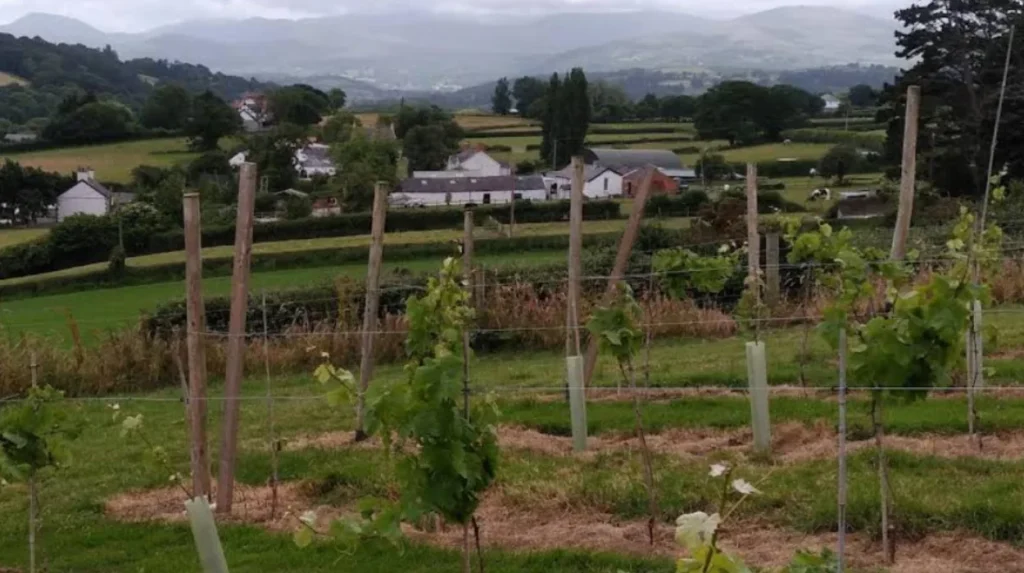
The geographic positioning of the venue provides immediate connectivity to major regional transportation routes while maintaining an isolated village atmosphere. Located approximately 1 mile from the main A55 expressway, the venue serves as a strategic gateway between Chester, located 32 miles to the east, and Snowdonia National Park, located 25 miles to the west. The surrounding landscape consists of limestone ridges, managed woodlands, and agricultural pastures native to the Elwy Valley region. The location combines historical estate seclusion with high accessibility for regional and international visitors.
The physical address places the property in immediate proximity to historic landmarks, including the Grade I listed Gwrych uk/local/swansea/castle/">Castle, positioned 2.5 miles northwest, and the ancient hillfort of Dinorben. The surrounding settlement of St George consists of traditional stone cottages, a 19th-century church, and protected conservation land. The village environment restricts modern commercial development, ensuring that the physical surroundings of the venue remain representative of 19th-century rural Welsh estate architecture. This geographic context defines the operational character and historic preservation requirements of the property.
The venue functions as both a local community hub and a destination establishment for heritage tourism in Conwy County. The proximity to coastal settlements like Abergele, Towyn, and Rhyl places the property within a tourist catchment area serving over 2 million annual regional visitors. Its position near the coastal plain allows access to marine environments, limestone uplands, and valley ecosystems within a 5-mile radius. The geographic coordinates and regional transport links establish the establishment as a key physical asset within the tourism infrastructure of North Wales.
What Is the Historical Origin and Architectural Evolution of the Kinmel Arms?
The Kinmel Arms originated in the 17th century as a staging post and coaching inn designed to serve horse-drawn transport traveling along the northern coastal route of Wales. The initial stone structure was built to provide shelter, fresh horses, and provisions for passengers traveling between Chester and Holyhead. During the 18th and 19th centuries, the property became intrinsically linked to the expansion of the neighboring Kinmel Estate, owned by the Hughes family and later Lord Dinorben. The development of the estate directly influenced the structural additions and architectural style of the inn.
The architectural profile of the property features classic Victorian estate Gothic and traditional Welsh stone masonry characteristics. The primary elevation displays locally quarried limestone blocks combined with slate roofing sourced from northern Welsh quarries. Structural modifications executed during the mid-19th century incorporated ornamental bargeboards, stone window mullions, and heavy timber framing that reflected the broader design choices of the Kinmel Estate. The interior retains original structural beams, low ceilings, and broad masonry fireplaces built to handle heavy heating loads during winter operating periods.
The transformation from a traditional coaching inn to a modern boutique establishment involved extensive internal restoration programs during the late 20th and early 21st centuries. Structural renovations preserved the outer load-bearing limestone walls while reconfiguring internal partition walls to accommodate luxury guest suites and expanded kitchen facilities. The conservation work adhered to strict historical preservation standards required for properties situated within the St George conservation area. These engineering interventions successfully modernized the plumbing, electrical, and heating infrastructure without compromising the historic character of the building frame.
The historical continuity of the structure provides physical evidence of changing commercial transport models in North Wales over 300 years. The transition from equine transport to early automotive travel altered the original courtyard spaces, turning former stabling areas into guest accommodation and parking infrastructure. Architectural surveys confirm that primary structural elements from the 1680s remain intact within the central pub section. This structural persistence makes the venue an important surviving example of post-medieval roadside architecture in Conwy County, maintaining its original purpose of providing food and lodging.
What Accommodation Facilities and Guest Amenities Are Available?
The Kinmel Arms provides high-end accommodation options featuring four individually designed boutique guest suites categorized by distinct spatial layouts and high-grade furnishings. Each suite incorporates king-size bedding, custom cabinetry, independent climate controls, and high-speed digital connectivity designed for leisure and corporate travelers. The room configurations range in floor area from 30 to 45 square meters, offering spacious living areas, private seating sections, and dedicated workspace desks. Interior design elements integrate contemporary fabrics with preserved heritage structural timbers.
The ensuite bathroom facilities across all suites feature luxury fixtures, including walk-in rainfall showers, free-standing deep soaking tubs, heated towel rails, and premium stone surfaces. Hot water systems utilize high-capacity commercial boilers to deliver consistent water pressure and precise temperature regulation. Premium organic toiletries, plush bathrobes, and high-density cotton linens are provided as standard operational specifications for all room tiers. Daily housekeeping services ensure strict hygiene standards across guest rooms, public hallways, and private access points.
In-room guest amenities include digital smart televisions, coffee machines, direct-dial telephone systems, and integrated refrigerated minibars stocked with regional Welsh products. Complimentary high-speed Wi-Fi coverage is delivered across all rooms via a dedicated fiber-optic network array. Guests receive freshly prepared breakfast options delivered directly to their suite or served in the ground-floor dining room, featuring locally sourced meats, organic eggs, and artisanal bakery products. The room design emphasizes acoustic isolation, utilizing double-glazed timber window units to eliminate external noise transmission.
The physical design of the accommodation facilities prioritizes private access and security for overnight guests. Dedicated keycard access systems secure guest quarters from public bar and dining sections during non-operating hours. On-site private parking facilities accommodate guest vehicles immediately adjacent to room entry points, featuring security illumination and continuous video surveillance monitoring. The combination of luxury interior specification, advanced technical infrastructure, and historic architecture establishes the accommodation standard at the property as a benchmark for boutique lodging in North Wales.
How Does the Restaurant and Culinary Service System Operate?
The culinary operations at the establishment center on a Double AA Rosette-awarded restaurant that utilizes a hyper-local sourcing model for food procurement. The kitchen team constructs seasonal À La Carte menus focused on modern British cuisine with distinct Welsh regional influences. High-grade ingredients are sourced from regional producers within a 30-mile radius, including salt marsh lamb from the Conwy Valley, fresh seafood landed at Conwy harbor, and organic vegetables grown in local Denbighshire farms. The kitchen operates strictly according to field-to-fork culinary practices.
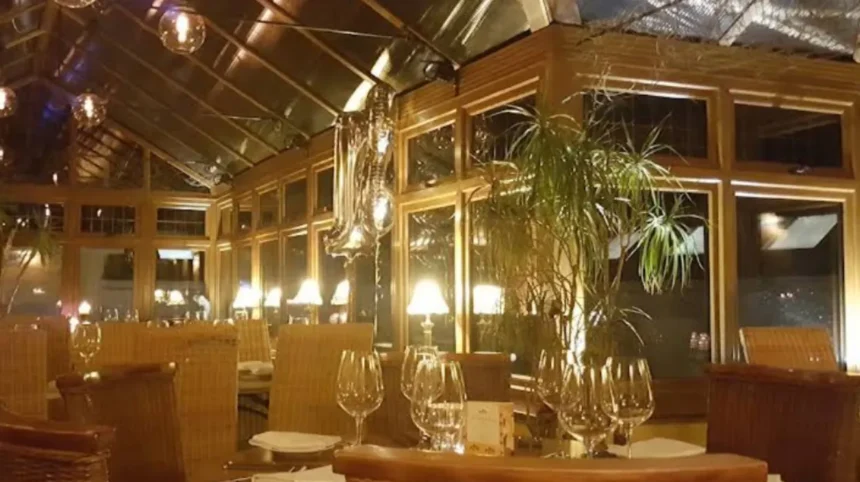
The internal dining layout comprises multiple distinct spaces, including a main formal dining room, informal bar seating areas, and an outdoor courtyard garden used during summer operating periods. The formal restaurant space accommodates up to 50 covers per service period, featuring table arrangements designed for acoustic comfort and operational efficiency. Service protocols follow fine dining standards, managed by trained front-of-house staff executing structured multi-course meal delivery. The kitchen utilizes commercial induction cooktops, combination ovens, and temperature-controlled storage systems to maintain culinary precision.
The beverage program at the venue maintains an extensive inventory of fine wines, craft spirits, and regional cask ales sourced from independent Welsh breweries. The cellar maintains over 100 wine labels selected to complement the seasonal menu profiles, stored under precise temperature and humidity conditions. The bar features a specialized selection of over 30 craft gins, focusing heavily on small-batch Welsh distillers using local botanical ingredients. Cask ales are served via traditional hand pumps, requiring daily cellar management to ensure fresh taste profiles.
Food safety, kitchen hygiene, and inventory management operate under strict Hazard Analysis Critical Control Point (HACCP) guidelines enforced by local authority inspectors. Kitchen staff perform daily monitoring of storage temperatures, allergen cross-contamination protocols, and ingredient freshness logs. Seasonal menu changes occur four times per year to align with local agricultural harvests and seafood availability cycles. This disciplined operational approach to culinary production ensures consistent food quality, leading to continuous retention of industry accreditations and high customer satisfaction scores.
What Impact Does the Venue Have on Regional Tourism and Economy?
The business operation of the venue contributes to the local economy of Abergele and the broader Conwy County region. By drawing high-spending regional and international visitors, the establishment generates indirect economic value for surrounding businesses, retail outlets, and transport providers. The business employs local hospitality professionals across culinary, front-of-house, housekeeping, and maintenance departments. Local employment generation supports rural workforce retention in a region historically dependent on seasonal coastal tourism.
The establishment acts as a high-value anchor within the regional tourism ecosystem, encouraging extended stay durations among heritage and culinary tourists. Data from North Wales tourism boards indicates that visitors targeting fine dining and boutique lodging spend approximately 40% more per day than average day-trip visitors. The presence of a Double AA Rosette venue in St George elevates the overall profile of Conwy County as a premium food destination. This economic dynamic drives secondary spending at nearby historic sites, coastal destinations, and recreational facilities.
Supply chain interactions generated by the venue directly benefit regional agricultural, craft beverage, and food distribution sectors. Procurement policies prioritizing local vendors ensure that hospitality revenue cycles back into the regional rural economy. Local meat processors, seafood merchants, dairy producers, and maintenance contractors rely on consistent commercial orders from the venue. This integrated economic relationship reinforces regional supply chain resilience and promotes sustainable agricultural practices across Denbighshire and Conwy County farms.
The long-term conservation of the historic building infrastructure provides cultural and heritage benefits for the local community. Private investment in maintaining the Grade II listed premises prevents structural degradation of key historical assets within the St George conservation zone. The venue preserves intangible cultural heritage by promoting Welsh food traditions and showcasing regional hospitality to international visitors. The ongoing commercial viability of the venue ensures that historical preservation and economic growth remain mutually supportive in rural North Wales.
What Are the Nearby Attractions and Regional Integration Opportunities?
The property sits within immediate reach of major natural, historical, and commercial tourist attractions across North Wales. Guests staying at the venue can access Gwrych Castle, a prominent 19th-century estate famous for its grand architecture and recent media exposure, located less than 10 minutes away by car. The nearby coastal town of Abergele offers access to Pensarn Beach, a recognized Site of Special Scientific Interest (SSSI) due to its unique shingle ridge geology and coastal flora. These sites provide diverse recreational options for staying visitors.
Recreational hiking and outdoor exploration opportunities surround the village of St George, with direct access to regional trail networks. The Clwydian Range and Dee Valley Area of Outstanding Natural Beauty (AONB) lies a short distance to the east, featuring hillforts, heather moorlands, and designated walking paths like the Offa’s Dyke Path. The coastal path system connects Abergele to Llandudno and the Great Orme limestone headland, offering panoramic views across the Irish Sea. These geographic assets make the venue a convenient base for outdoor activity enthusiasts.
Cultural and heritage sites within a 15-mile radius include the UNESCO World Heritage site of Conwy Castle, the historic town walls of Conwy, and the medieval fortress of Rhuddlan Castle. Visitors can explore Welsh horticultural history at Bodnant Garden, an internationally renowned National Trust property situated in the Conwy Valley. The regional transport network allows seamless connections between these historic locations via the nearby A55 corridor. The venue functions as a strategic central node for curated multi-day heritage itineraries across North Wales.
The integration of the establishment into the broader tourism landscape of Conwy County is further enhanced by local sporting facilities. Abergele Golf Club offers an 18-hole championship course set within historic parkland adjacent to Gwrych Castle grounds. Water sports, sea angling, and sailing operations are accessible at nearby coastal harbors in Rhyl and Conwy. This combination of culinary excellence, luxury accommodation, historic surroundings, and proximity to diverse leisure activities secures the position of the venue as a premier destination in rural North Wales.
Frequently Asked Questions
What food options are served at the Kinmel Arms in North Wales?
The establishment serves modern British cuisine featuring local Welsh ingredients, including salt marsh lamb, seafood, and seasonal produce. It operates a fine dining Double AA Rosette À La Carte menu along with traditional Sunday roasts and pub classics.
Is parking available for guests staying at the Kinmel Arms?
Yes, the venue provides dedicated on-site parking facilities directly adjacent to the accommodation units for all overnight guests. The parking area is well-lit, fully paved, and monitored for guest vehicle security throughout their stay.
How far is the Kinmel Arms from Gwrych Castle and Abergele?
The establishment is located approximately 2.5 miles from Gwrych Castle and 2 miles inland from the town center of Abergele. Driving time to both locations is under 10 minutes via local roads connected to the A55.
Are pet dogs allowed inside the Kinmel Arms pub and accommodation?
Dogs are permitted in designated bar and outdoor seating areas of the pub. Guests planning to bring pets should contact the management in advance to secure dog-friendly accommodation suites.
What architectural period does the Kinmel Arms building belong to?
The original structure dates back to a 17th-century coaching house with significant 19th-century Victorian estate modifications. It displays traditional Welsh stone masonry, limestone walls, slate roofs, and historic timber interior framing.