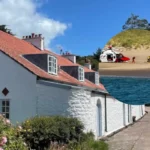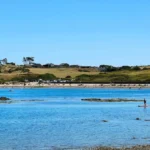

Caravan holidays Wales represent a self-catering vacation model where travelers rent static caravans, touring pitches, or luxury lodges in designated holiday parks across Welsh coastal, mountain, and rural regions.
- What Types of Accommodation Options Exist for Caravan Holidays Wales?
- Where Are the Top Regional Destinations for Caravan Holidays Wales?
- What Amenities and Activities Do Welsh Caravan Parks Offer?
- How Does Seasonality Impact Planning and Cost for Caravan Holidays Wales?
- What Are the Environmental Regulations and Site Rules in Wales?
- Frequently Asked Questions
The origin of mobile holiday accommodation in the United Kingdom dates to 1885, when the first custom-built leisure caravan was constructed by Dr. William Gordon Stables. The modern commercial holiday park network expanded post-World War II during the 1950s, converting coastal farmland into structured destinations. Wales contains over 870 miles of continuous coastline managed under the Wales Coast Path established in 2012. Tourism data from Visit Wales indicates domestic visitors account for millions of overnight stays annually, generating substantial economic expenditure across rural communities.
What Types of Accommodation Options Exist for Caravan Holidays Wales?
Caravan holidays Wales offer static holiday homes, touring caravan pitches, motorhome bays, and luxury glamping lodges located across coastal and inland parks in regions like Pembrokeshire, Eryri (Snowdonia), and the Llŷn Peninsula.
Static caravans represent the dominant unit type, engineered on a steel chassis measuring between 12 feet and 14 feet in width. Modern units feature double glazing, central heating, full kitchen suites, and multiple bedrooms. Touring pitches accommodate towed units with hookups for fresh water, greywater disposal, and 16-amp electricity. Glamping lodges integrate timber frame construction with private hot tubs and integrated decking. Parks operate under licenses issued by local county councils under the Caravan Sites and Control of Development Act 1960.
The operational layout divides holiday parks into distinct pitch zones. Commercial operators provide dedicated utility infrastructure, including underground LPG distribution networks, high-speed Wi-Fi towers, and digital television connections. Luxury models feature en-suite master bedrooms, integrated dishwasher appliances, and French doors leading to wrap-around timber verandas. Standard static units feature fixed seating dinettes and panel heaters. Park access control relies on automatic number plate recognition systems at security barrier gates.
The choice between static rentals and touring pitches dictates total vacation costs. Renting a static unit includes furniture, cookware, and bedding packages. Bringing a personal touring unit requires vehicle towing capability, hitches, and road insurance coverage under UK transport regulations. Touring sites provide communal shower blocks, chemical toilet disposal points, and laundry facilities. Site fees vary based on seasonal demand, pitch size, and proximity to beach access points.
Where Are the Top Regional Destinations for Caravan Holidays Wales?
The top destinations for caravan holidays Wales include North Wales coastal resorts, the Pembrokeshire Coast National Park, Ceredigion Bay, the Gower Peninsula, and the rural valleys surrounding Bannau Brycheiniog (Brecon Beacons).
North Wales hosts established park clusters along the coastline near Rhyl, Prestatyn, and Towyn. These locations provide direct access to the A55 dual carriageway highway network. The Llŷn Peninsula features scenic parks in Pwllheli and Abersoch. West Wales contains Pembrokeshire coastal sites near Tenby, Saundersfoot, and St Davids. Ceredigion provides bay locations in Aberystwyth and New Quay where marine conservation zones protect resident bottlenose dolphin populations within Cardigan Bay.
Regional geography influences holiday experiences and activity availability. North Wales offers mountain hiking inside Eryri National Park and adventure attractions like Zip World in Penrhyn Quarry. West Wales features 186 miles of Pembrokeshire National Park trail paths, sea kayaking, and boat trips to Skomer Island. South Wales provides proximity to Gower Peninsula beaches such as Rhossili Bay, recognized under Areas of Outstanding Natural Beauty designations. Central Wales features quiet inland parks around the Elan Valley reservoirs.

Travel accessibility varies significantly by target destination. The A55 expressway services North Wales transportation routes from North West England. South Wales destinations link directly via the M4 motorway across the Severn Bridges. Rural West Wales routes rely on primary single-carriageway roads like the A487 and A40. Public transit integration includes Transport for Wales rail services stopping at coastal stations along the Cambrian Line and North Wales Coast Line.
What Amenities and Activities Do Welsh Caravan Parks Offer?
Welsh caravan parks offer indoor heated swimming pools, entertainment venues, sports courts, children’s play areas, direct beach access, on-site restaurants, grocery stores, and organized family entertainment programs.
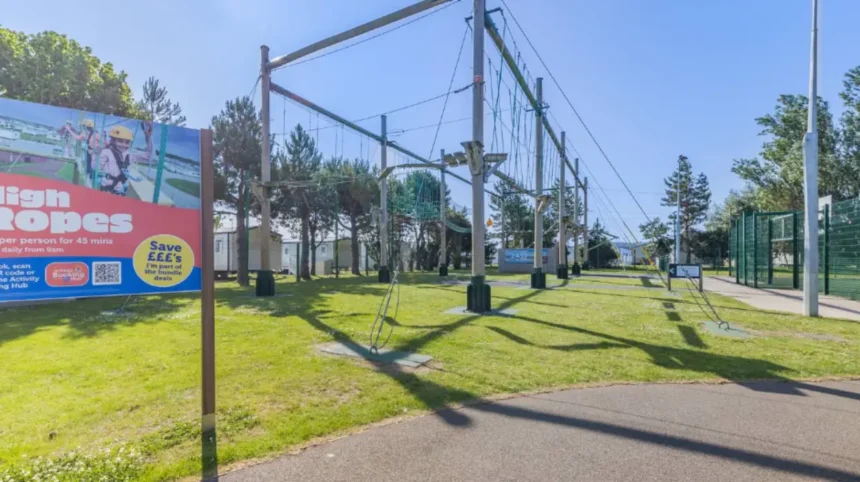
Commercial park amenities vary by operational classification. Large resort-style parks operated by national brands feature multi-level water parks, amusement arcades, outdoor climbing walls, and multi-functional event rooms. Independent boutique parks emphasize tranquility, providing fishing lakes, walking trails, and nature observation hides. Standard facility provisions include laundrettes, refuse disposal stations, EV charging points, and dog-washing facilities.
Entertainment scheduling focuses on multi-generational programming. Daytime activities include archery coaching, pool kayaking, craft workshops, and guided nature walks. Evening programs feature live acoustic acts, bingo games, cabaret shows, and touring tribute bands. Children’s clubs segment activities into age groups, offering supervised morning sessions for toddlers through teenagers. Facilities adhere to health and safety standards governed by the Health and Safety Executive.
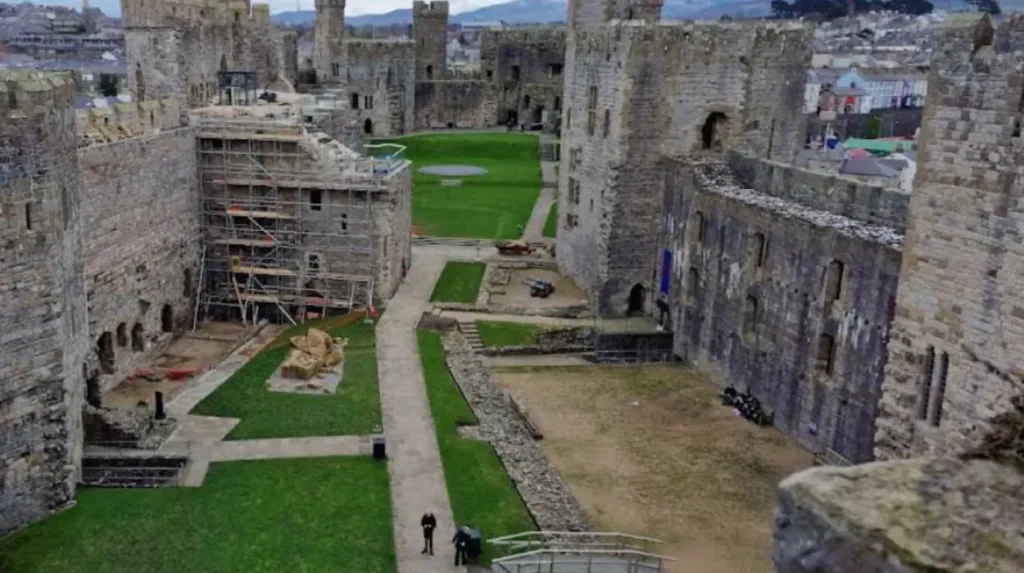
Off-site activities integrate local regional attractions. Visitors utilize coastal paths for long-distance hiking and wildlife observation. Water sports operators provide surfing lessons at Freshwater West, windsurfing at Plas Heli, and coasteering along Pembrokeshire cliffs. Cultural attractions include historic fortresses managed by Cadw, such as Conwy Castle, Caernarfon Castle, and Harlech Castle. Steam railways like the Ffestiniog & Welsh Highlands Railways offer historic transit experiences through mountain passes.
How Does Seasonality Impact Planning and Cost for Caravan Holidays Wales?
Seasonality dictates pricing structures, site availability, operational schedules, weather conditions, and regional crowd levels across all holiday parks operating within the country of Wales.
The peak summer period spans July and August, coinciding with school holiday dates across the United Kingdom. During peak months, park tariffs reach maximum pricing levels, and occupancy rates exceed 95 percent capacity. Spring and early autumn mark the shoulder seasons, offering lower nightly rental rates and reduced traffic congestion. The off-peak winter period runs from November through March, during which many parks close under local authority licensing agreements.
Weather patterns in Wales follow a temperate maritime climate influenced by the Atlantic Ocean. Summer temperatures average between 18 degrees and 22 degrees Celsius, while rainfall occurs throughout the year. Winter operational parks feature fully winterized static caravans built to EN 1647 standards, featuring elevated insulation values and trace heating on external pipework. Touring caravans require suitable awning tie-down systems to withstand coastal wind speeds exceeding 30 knots during storm events.
Financial planning requires accounting for variable costs. Peak summer bookings typically mandate full seven-night Saturday-to-Saturday stays. Shoulder seasons allow flexi-breaks of three-night weekends or four-night mid-week stays. Additional cost factors include site utility pass fees, pet fees, linen rentals, and security deposits. Booking 6 to 12 months in advance secures preferred pitch locations on coastal perimeters, while last-minute bookings yield discounted rates during mid-week off-peak windows.
What Are the Environmental Regulations and Site Rules in Wales?
Site rules and Welsh environmental regulations mandate strict waste sorting, noise limits, dog control measures, pitch boundary spacing, and vehicle speed limits inside park grounds.
Environmental protection policies operate under the Environment (Wales) Act 2016 and the Wellbeing of Future Generations (Wales) Act 2015. Parks implement compulsory waste segregation systems separating food waste, dry recyclables, glass, and residual trash. Chemical toilet emptying points require biodegradable sanitation fluids to prevent disruption to local sewage treatment plants. Dark sky initiatives in regions like Bannau Brycheiniog limit outdoor lighting pollution.
Park regulations maintain safety and quiet enjoyment for all residents. Speed limits inside sites are restricted to 5 miles per hour or 10 miles per hour. Fire safety laws mandate a minimum 6-meter separation distance between static units to prevent fire spread under the Model Standards 1989 for Caravan Sites. Quiet hours take effect between 10:00 PM and 7:00 AM. Electric vehicle charging from standard caravan 13-amp domestic sockets is prohibited due to electrical circuit overload risks.
Dog-friendly regulations vary by individual park operator and local council bylaws. Public space protection orders govern seasonal beach access restrictions for dogs between May 1st and September 30th annually across popular beaches. On-site rules require dogs to remain on fixed leads not exceeding 2 meters in length within public park spaces. Livestock protection legislation requires strict dog control when traversing public footpaths adjacent to agricultural farmland.
Frequently Asked Questions
What is the best time of year to book caravan holidays Wales?
May, June, and September offer warm weather, lower prices, and fewer crowds compared to peak July and August school holidays.
Can you live in a static caravan permanently on a Welsh holiday park?
Most holiday parks operate under 10-month or 11-month licenses requiring a primary residential address elsewhere, prohibiting permanent year-round residency.
Are dogs allowed on caravan holidays in Wales?
Yes, most Welsh caravan parks offer pet-friendly accommodation options, though local council bylaws restrict dogs on certain public beaches from May through September.
What should you pack for a self-catering caravan holiday in Wales?
Pack waterproof clothing, bed linen, towels, toiletries, cleaning supplies, kitchen essentials, chargers, and outdoor footwear suitable for variable coastal weather.
Do caravan parks in Wales provide free Wi-Fi connection?
Many modern holiday parks offer complimentary Wi-Fi in main clubhouses, though pitch-level high-speed internet access may require an additional daily or weekly fee.