

Key Points
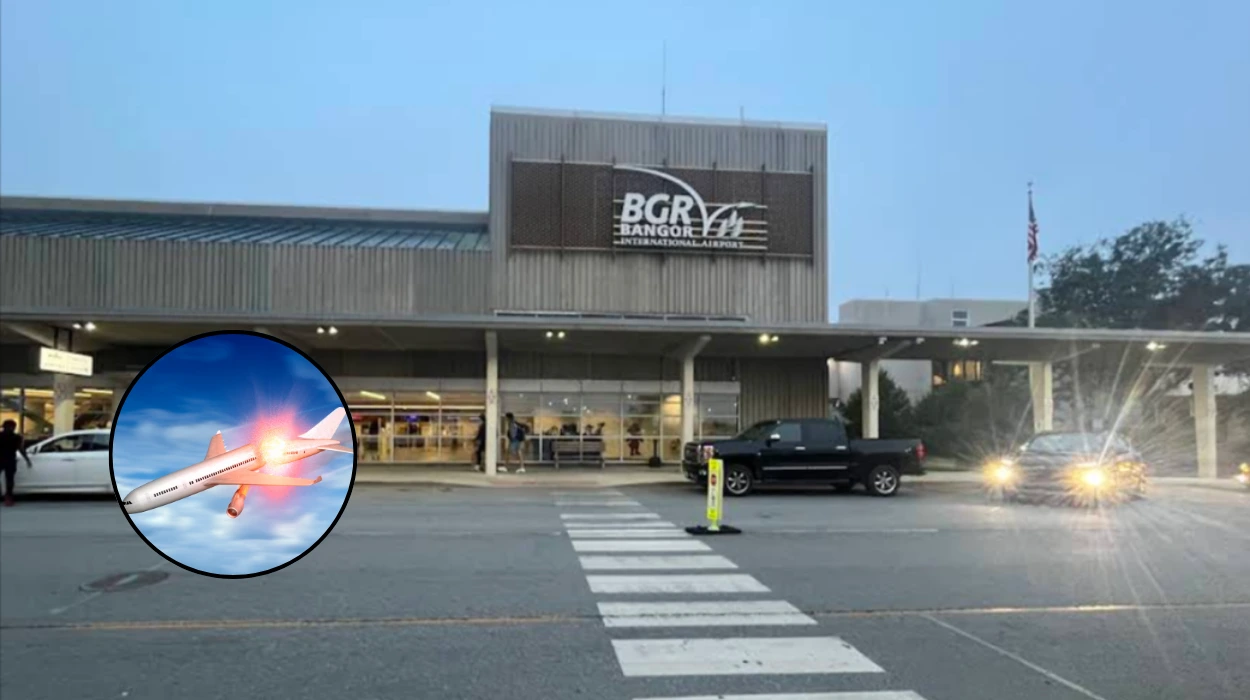
- A private jet with eight passengers crashed while attempting to take off from Bangor International Airport in Maine.
- The aircraft involved was a Bombardier Challenger 600.
- The incident occurred around 7:45 PM local time on the night of January 25, 2026.
- All eight occupants were aboard at the time of the crash.
- The Federal Aviation Administration (FAA) confirmed the details and is investigating alongside the National Transportation Safety Board (NTSB).
- Maine State Police are assisting local officials in the investigation.
- A substantial fire followed the crash, as reported by a government official briefed on the matter.
- The jet had recently arrived in Maine from Texas, specifically Houston, according to FlightRadar24 data and the government official.
- Bangor International Airport confirmed the crash via social media shortly after 8:30 PM, noting emergency crews’ response and runway shutdown.
- The airport, which handles both civilian and military operations, is located about 129 miles northeast of Portland and operates a single runway.
- The crash coincided with a powerful winter storm across the Northeast, bringing heavy snowfall and bitter cold; a winter storm warning for Bangor remained in effect through early January 27, per the National Weather Service.
- Airport officials requested the public to stay away from the area and later confirmed the full closure.
uk/local/bangor/">Bangor, Maine (The Wales Times) January 26, 2026 – A private jet carrying eight passengers crashed while attempting to take off from Bangor International Airport, sparking a substantial fire and prompting a multi-agency investigation amid a severe winter storm.
- Key Points
- What Happened in the Crash?
- Where Did the Crash Take Place?
- What Aircraft Was Involved?
- Who Was on Board and What Is Their Status?
- Why Might Weather Have Played a Role?
- Which Agencies Are Investigating?
- How Did the Airport Respond?
- What Do Tracking Data Reveal?
- What Is the Broader Context of Aviation Safety?
- When Will We Learn More?
What Happened in the Crash?
The aircraft, identified as a Bombardier Challenger 600, went down around 7:45 PM local time on January 25, according to the Federal Aviation Administration (FAA). All eight occupants were aboard at the time of the incident, the FAA stated, though no immediate details on their conditions were released. Federal investigators from the FAA, along with the National Transportation Safety Board (NTSB), are examining the cause, with Maine State Police assisting local officials.
Bangor International Airport acknowledged the crash in a social media post shortly after 8:30 PM, confirming that emergency crews had responded and were evaluating the situation. Airport officials did not release further details at that time but announced the runway shutdown and urged the public to avoid the area. The FAA later confirmed the airport’s full closure following the event.
As reported by a government official briefed on the matter to Reuters, the crash was followed by a substantial fire. This detail underscores the intensity of the incident, which occurred on the airport’s single runway.
Where Did the Crash Take Place?
Bangor International Airport, located about 129 miles northeast of Portland, serves both civilian and military operations. The facility operates a single runway, which was directly impacted by the crash, leading to its immediate shutdown. The airport’s dual-use nature means it handles a mix of commercial, private, and military flights, making the incident particularly disruptive.
The crash site’s precise location within the airport grounds has not been detailed publicly, but emergency response teams were mobilised swiftly to the area. Airport authorities emphasised public safety by requesting bystanders to stay clear, highlighting the risks posed by the fire and ongoing operations.
What Aircraft Was Involved?
The aircraft was a Bombardier Challenger 600, a business jet known for its long-range capabilities. FlightRadar24, an aviation tracking service, reported that available data indicated the jet was preparing to depart Bangor after arriving from Houston. This aligns with the government official’s statement to Reuters that the jet had recently flown in from Texas.
No further specifics on the jet’s registration, ownership, or maintenance history have been disclosed as investigations continue. The Bombardier Challenger 600 series has a history of reliable service in private aviation, but this incident will prompt scrutiny of its performance under the prevailing conditions.
Who Was on Board and What Is Their Status?
All eight occupants were aboard the Bombardier Challenger 600 at the time of the crash, as confirmed by the FAA. Identities of the passengers and crew have not been released, respecting privacy protocols during the early stages of investigation. No official statements on injuries, fatalities, or survivability have been issued by authorities, leaving families and the public awaiting updates from the NTSB and local responders.
Maine State Police, assisting local officials, are likely coordinating with federal teams to notify next of kin and secure the site. Bangor International Airport’s social media post focused on emergency response rather than occupant details, prioritising operational containment.
Why Might Weather Have Played a Role?
The crash occurred as a powerful winter storm swept across the Northeast, delivering heavy snowfall and bitter cold to the region. A winter storm warning for the Bangor area remained in effect through early January 27, according to the National Weather Service. These conditions could have complicated takeoff procedures, potentially contributing to the incident, though no causal link has been confirmed.
Meteorological factors such as reduced visibility, icy runways, or crosswinds are common hazards in such storms, and investigators will examine weather data alongside flight records. The timing—during peak storm activity—raises questions about go/no-go decisions by the flight crew.
Which Agencies Are Investigating?
The FAA and NTSB are leading the federal probe into what led to the crash. Maine State Police are providing assistance to local officials, ensuring ground security and evidence preservation. This collaborative effort is standard for aviation incidents, pooling expertise in aircraft systems, human factors, and site analysis.
Bangor International Airport officials are cooperating fully, having closed the runway and facilitated emergency access. Preliminary findings may take days, with a full NTSB report potentially spanning months.
How Did the Airport Respond?
Bangor International Airport issued a social media post shortly after 8:30 PM on January 25, confirming emergency crews’ arrival and situation assessment. Officials withheld specifics to avoid speculation but stressed the runway closure and public avoidance of the area. By the following day, the FAA verified the airport’s complete shutdown, minimising further risks.
This rapid communication helped manage public concern and coordinate with regional authorities amid the storm. The airport’s dual civilian-military role likely accelerated military support for response efforts.
What Do Tracking Data Reveal?
FlightRadar24 data suggests the aircraft was gearing up for departure after flying in from Houston. This trajectory—from Texas to Maine—indicates a cross-country repositioning flight, common for private jets servicing passengers. The service’s tracking corroborated the timeline of 7:45 PM for the attempted takeoff.
Such data will be cross-referenced with black box recordings and air traffic control logs by investigators. No anomalies in pre-crash tracking were noted publicly.
What Is the Broader Context of Aviation Safety?
This incident occurs against a backdrop of rigorous aviation oversight in the US, yet winter weather remains a perennial challenge. The Northeast’s storm systems have historically led to delays and diversions, but crashes during takeoff are rare. The NTSB’s involvement ensures a thorough dissection of mechanical, procedural, and environmental elements.
Public discourse on private aviation safety may intensify, particularly regarding operations in adverse weather. Comparable past events, like runway excursions in snow, offer precedents for analysis.
When Will We Learn More?
No timeline for updates has been set, but NTSB preliminary reports often emerge within 24-48 hours for high-profile cases. Ongoing storm conditions may delay on-site work, extending the information vacuum. Authorities urge patience as evidence is meticulously gathered to prevent premature conclusions.
Bangor International Airport plans to reopen once cleared by investigators, potentially impacting regional travel. Families and aviation stakeholders await factual clarity amid speculation.