
Key Points
- Rhun ap Iorwerth (Plaid Cymru), John Swinney (SNP) and Michelle O’Neill (Sinn Féin) are due to meet in Cardiff, along with Sinn Féin president Mary Lou McDonald.
- They are expected to sign a memorandum of understanding for constitutional reform and the right to conduct independence referenda in their jurisdictions.
- Ap Iorwerth and Swinney will separately engage in bilateral discussions in the afternoon and are expected to sign an agreement on “collaboration in areas of common interest in the future”.
- The conference follows PM Andy Burnham’s statement that a second Scottish referendum on independence can be held if there is “clear consensus”, although he subsequently said it is “off limits”.
- Unionists and opposition parties in Wales and Northern Ireland have denounced the conference, with the UK government reiterating its commitment to the union.
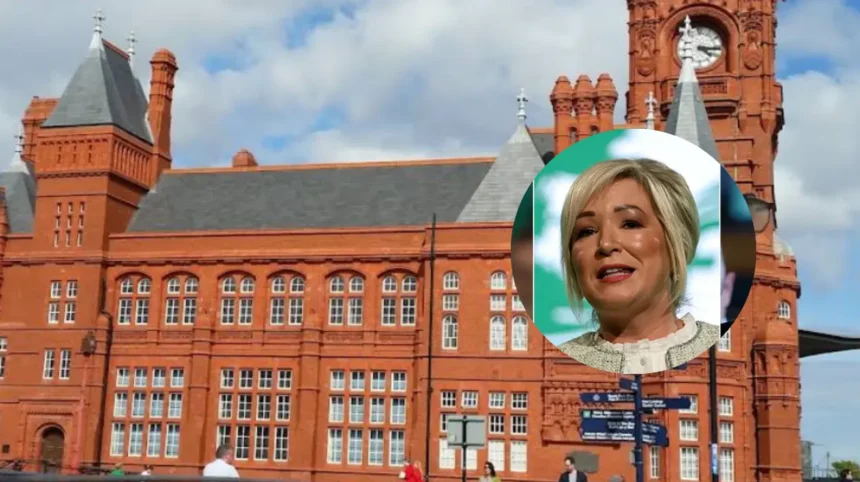
Cardiff (Wales Times) September 14, 2026 – It is hosting a landmark meeting of the devolved nationalist leaders on Monday, September 14, 2026, as Plaid Cymru, the SNP and Sinn Féin seek to deepen political cooperation and press Westminster on constitutional reform. As reported by the BBC’s political correspondent, the first ministers will discuss “ways of working more closely”, including on energy, the economy, relations with Europe and “wider political and constitutional questions facing our nations and on the right to self-determination”.
- Key Points
- Who is attending the Cardiff meeting?
- What do the leaders say about constitutional change?
- What are the positions in Wales and Northern Ireland?
- What are unionist and UK government reactions?
- What else is on the agenda?
- Background to the Cardiff development
- Prediction: How could this affect voters in Wales, Scotland and Northern Ireland?
A Plaid Cymru spokesperson said the gathering was “an opportunity for the leaders of Plaid Cymru, the SNP and Sinn Féin to come together and talk about how we can work more closely on the issues that matter to people across our nations”. The spokesperson added that, “following the historic Senedd election in Wales and the changing political landscape across these islands, there is a strong case for practical political cooperation” on policy areas and constitutional questions.
According to the Press Association, cited by RTÉ and the Irish Examiner, the trio are expected to sign a memorandum of understanding pushing for referendums in Wales, Scotland and on the island of Ireland. The Guardian reported that the memorandum will call on Westminster “to prepare, plan and facilitate constitutional change in Wales, Scotland and Northern Ireland”. Nation.Cymru said the leaders are set to sign a “joint declaration calling for their nations to be given the right to hold independence referendums”.
Who is attending the Cardiff meeting?
Ap Iorwerth is hosting SNP leader John Swinney and Sinn Féin vice-president Michelle O’Neill, with Sinn Féin president Mary Lou McDonald also due to attend the morning session. RTÉ noted that the three are meeting “in their capacity as party leaders, rather than as officials in their respective governments”.
In the afternoon, ap Iorwerth will hold further talks with Swinney, with both men expected to sign a separate agreement on “future collaboration in areas of shared interest”. The BBC said this will be the first face-to-face meeting between the three nationalist leaders since ap Iorwerth took office in May.
What do the leaders say about constitutional change?
John Swinney said there was “undeniable” momentum behind constitutional change and that “every nation across these islands is standing at a moment of incredible constitutional opportunity”. He added:
“There is a growing consensus that the Westminster system simply is not fit for purpose and does not work for ordinary people.”
Swinney also referenced Prime Minister Andy Burnham’s recent comments, saying: “Prime Minister Andy Burnham has accepted that himself – and the people of Scotland, Wales and Northern Ireland have made it clear at the ballot box.” The meetings come days after Scottish independence resurfaced in the House of Commons, when Burnham appeared to indicate a second referendum could be held in Scotland if there was clear public support, drawing a parallel with the conditions for a border poll in Northern Ireland under the Good Friday Agreement.
During Prime Minister’s Questions, Burnham said a border poll would be “considered by the Northern Ireland Secretary when there is a clear consensus in the country, when public opinion has changed to the point where the call has to be considered”, adding: “I would say that it is exactly the same situation in Scotland.” The apparent softening was welcomed by Swinney before Burnham later clarified that another Scottish referendum remained “off limits”. In a subsequent letter to Swinney, Burnham said he was “not aware that there is a majority of public support for another referendum and until that changes there won’t be one”.
What are the positions in Wales and Northern Ireland?
Rhun ap Iorwerth became the first non-Labour first minister of Wales after May’s Senedd election. While he has ruled out pushing for a Welsh independence referendum during his party’s first term in government, he has said he wants to lead a “national conversation” on the issue and intends to set up a national commission to “lay the foundations” for future plans. His government is also seeking extra powers over policing and youth justice, with Burnham saying he is “open” to the idea.
In Northern Ireland, the first and deputy first minister have identical powers and responsibilities; Michelle O’Neill serves as first minister alongside DUP deputy first minister Emma Little-Pengelly. Little-Pengelly criticised O’Neill for attending the uk/local/cardiff/">Cardiff talks. ITV News Wales reported that the memorandum of understanding is expected to include calls for steps towards referendums in Wales, Scotland and on the island of Ireland.
What are unionist and UK government reactions?
The UK government said: “The prime minister is committed to delivering change across all four nations of the United Kingdom and believes strongly in the union.” Welsh Conservatives leader Darren Millar said: “Instead of obsessing about independence, the first minister should be focused on dealing with the crisis engulfing the Welsh NHS and the declining standards in Welsh schools.” Reform UK Wales said:
“Plaid Cymru is showing its true colours by meeting with Sinn Féin and the Scottish separatists.”
What else is on the agenda?
Monday’s talks are likely to cover the funding of the devolved nations by the UK government. Welsh ministers have long called for reform of the Barnett formula, arguing it disadvantages Wales, while it is argued that Scotland benefits from the current arrangement. Before becoming prime minister, Burnham made the case for change, but on a recent visit to Wales he played down the prospect of reform. The devolved leaders are scheduled to meet the prime minister next month.
Background to the Cardiff development
The Cardiff summit follows a shift in the political landscape after May’s Senedd election, which saw Plaid Cymru enter government for the first time with ap Iorwerth as first minister. For the first time since devolution began, Wales, Scotland and Northern Ireland all have first ministers who favour leaving the United Kingdom. The meeting builds on earlier signals from Westminster, including Burnham’s comparison of the conditions for a Scottish referendum with those for a Northern Ireland border poll, which sparked fresh debate over the mechanics of any future votes. Swinney has since written to Burnham asking for talks on a “legal mechanism” for a Scottish independence referendum, while the prime minister has reiterated that no consensus currently exists and that another referendum is “off limits”.
Prediction: How could this affect voters in Wales, Scotland and Northern Ireland?
If the memorandum of understanding and joint declaration succeed in keeping constitutional change on the UK political agenda, voters in Wales, Scotland and Northern Ireland are likely to face more frequent and detailed debates about independence, funding and devolved powers. In Scotland, continued pressure from the SNP could keep the prospect of a future referendum in public discourse, even if Westminster maintains that a vote is “off limits” without clear consensus. In Wales, Plaid Cymru’s push for a “national conversation” and a commission on independence may broaden discussion beyond traditional supporters, while demands for more powers on policing and youth justice could shape expectations of what devolution should deliver. In Northern Ireland, Sinn Féin’s participation alongside unionist criticism may sharpen divisions over the timing and conditions for any border poll, particularly as the UK government emphasises the need for “clear consensus” before considering a vote.