
Key Points
- The body of a man was found inside a parked car in a lay-by on the A496, near Bontddu, Gwynedd, on 8 September 2026.
- The victim has now been identified as Paul William Rene Daly who was 69 years old and came from Wolverhampton, West Midlands.
- The police broke into the vehicle as they observed that it had fogged-up windows.
- Inquest has been opened by assistant coroner Sarah Riley on 22 September 2026 in Caernarfon.
- Initial findings of the post-mortem have stated that the death was due to asphyxia while toxicology reports are awaited.
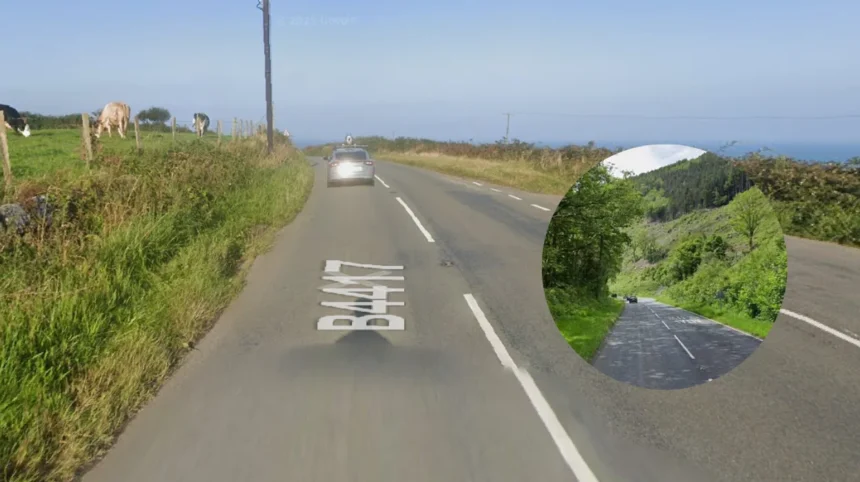
Wales (Wales Times) September 23, 2026 — North uk/police/">Wales Police were called to a layby off the A496 near Barmouth on Monday, after a parked car drew officers’ attention. As reported by the WalesOnline newsroom, the vehicle’s windows were obscured, prompting officers to force their way inside, where they found the body of a man. Emergency medical services were summoned but the man was pronounced dead at the scene at 5.57pm that day.
- Key Points
- What do we know about the inquest into Paul William Rene Daly’s death?
- How did police respond after finding the car with obscured windows?
- Who was Paul William Rene Daly and where was he from?
- What is the preliminary cause of death and what investigations continue?
- Background to the development
- Prediction: How this development may affect local communities and road users
The deceased has been formally identified as Paul William Rene Daly, aged 69, of Wolverhampton in the West Midlands. Mr Daly, described in court as a retired electrical engineer, was found alone in the stationary vehicle. The circumstances surrounding his death led the assistant coroner for North-West Wales, Sarah Riley, to open an inquest at Caernarfon on Tuesday, 22 September 2026.
What do we know about the inquest into Paul William Rene Daly’s death?
During the opening hearing, assistant coroner Sarah Riley outlined the sequence of events that led to the discovery of Mr Daly’s body. As reported by WalesOnline, Ms Riley told the court that North Wales Police first observed the car in the layby on 8 September and subsequently attended the scene. Because the windows were obscured, officers gained entry by force and located Mr Daly inside.
A post-mortem examination was carried out to establish the cause of death. According to the inquest proceedings reported by WalesOnline, the preliminary cause has been recorded as asphyxia. However, the coroner noted that toxicology tests remain outstanding, and she adjourned the inquest to allow further investigations to be completed before a full conclusion can be reached.
How did police respond after finding the car with obscured windows?
The decision to force entry to the vehicle followed officers’ assessment that the obscured windows warranted immediate action. As set out in the inquest details reported by WalesOnline, emergency medical personnel were called after the body was discovered. Despite their attendance, Mr Daly was confirmed dead at 5.57pm on 8 September.
North Wales Police have not released further operational details beyond those placed on the inquest record. The force’s involvement was confined to securing the scene, facilitating the attendance of paramedics, and supporting the coroner’s initial fact-finding process.
Who was Paul William Rene Daly and where was he from?
Paul William Rene Daly, 69, was a resident of Wolverhampton in the West Midlands. He was described in court as a retired electrical engineer. The inquest heard that he was found inside the car in the layby close to Barmouth, in the Bontddu area of Gwynedd. No further personal details were given during the opening hearing, and the coroner’s court has not published additional biographical information at this stage.
What is the preliminary cause of death and what investigations continue?
The assistant coroner, Sarah Riley, recorded a preliminary cause of death as asphyxia following a post-mortem examination. As reported by WalesOnline, toxicology results are still pending, which is a routine step in many sudden or unexplained deaths. Because of this, and to allow any further lines of inquiry to be pursued, Ms Riley adjourned the inquest. A date for the resumed hearing will be set once outstanding reports and investigative material are available.
Background to the development
Laybys along rural and semi-rural routes in North Wales, including sections of the A496 near Barmouth and Bontddu, are occasionally used by motorists for rest stops. Incidents involving vehicles in such locations can draw police attention when there are signs of distress, obstruction, or other indicators that welfare checks are required. In this case, the obscured windows of the parked car prompted officers to intervene.
Inquests in England and Wales are fact-finding hearings held in coroners’ courts to answer four questions: who the deceased was, and where, when and how they died. They do not apportion criminal or civil blame. Coroners may adjourn hearings when further evidence—such as toxicology, specialist reports or police enquiries—is needed before a final conclusion can be safely recorded. The adjournment in Mr Daly’s case is consistent with standard practice where the cause of death is not yet fully determined.
Prediction: How this development may affect local communities and road users
While the inquest is ongoing and no final conclusions have been reached, the circumstances of this case are likely to reinforce existing caution among road users and local residents about vehicles parked for extended periods in isolated laybys. If the final inquest findings highlight specific risk factors—such as medical events while driving, the dangers of stopping in poorly visible locations, or the importance of timely welfare checks—this could prompt renewed advice from road-safety campaigners and local authorities about choosing safe stopping places and checking on stationary vehicles when there are signs of concern.
For families and communities in North Wales and the West Midlands, the resumption of the inquest once toxicology and other reports are complete will provide clearer answers about how Mr Daly died. In the interim, the case underscores the role of inquests in clarifying the facts around sudden deaths, and may encourage members of the public to alert police promptly if they encounter vehicles that appear unattended for unusual lengths of time or show signs that someone inside may need help.