

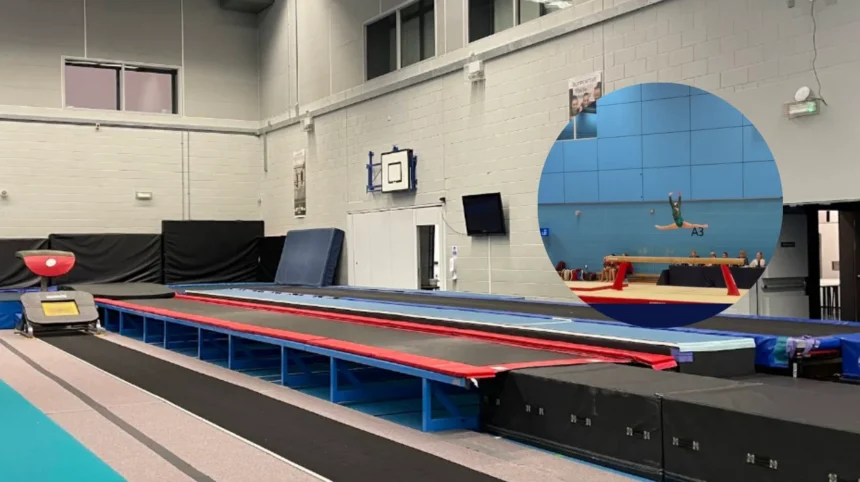
Key Points
- Gymnast aged 8 from Lyndhurst wins place at national tumbling championships
- He has only been taking part in the activity for 18 months
- This is an impressive progression in the field of gymnastics
- The report was carried in the Advertiser & Times newspaper on 3rd September 2026
Wales (Wales Times) September 03, 2026 – A young gymnast from Lyndhurst has earned her place at a national tumbling final following what has been described as an impressive progression through the sport in only 18 months of participation.
- Key Points
- What Achievement Has the Lyndhurst Gymnast Accomplished?
- How Long Has the Gymnast Been Training?
- What Does National Finals Qualification Mean for Young Gymnasts?
- Background: Development of Youth Gymnastics in Hampshire
- Prediction: How This Development Could Affect Young Gymnasts and Local Communities
As reported by the Advertiser and Times, the eight-year-old secured qualification through competitive performance that demonstrated significant skill development in a relatively short timeframe.
What Achievement Has the Lyndhurst Gymnast Accomplished?
The youngster from Lyndhurst has successfully qualified for national-level tumbling finals, representing a significant milestone in her gymnastics career. According to coverage by the Advertiser and Times, this qualification came after what observers characterised as an “impressive rise through the sport” over an 18-month period.
Tumbling is a discipline within gymnastics that focuses on acrobatic skills performed along a sprung track, requiring athletes to execute series of flips, twists, and somersaults with precision and control. Qualification for national finals typically requires athletes to achieve specific scores or placements at regional or county-level competitions.
How Long Has the Gymnast Been Training?
According to the Advertiser and Times reporting, the eight-year-old has been participating in gymnastics for approximately 18 months. This timeframe suggests the athlete began training around early 2025, making her progression to national-level competition notably rapid for someone of her age group.
The 18-month development period indicates consistent training and competitive participation leading to the qualification achievement. Young gymnasts typically progress through skill levels and competition tiers based on demonstrated ability, with national-level qualification representing advancement beyond local and regional competition.
What Does National Finals Qualification Mean for Young Gymnasts?
National finals represent the highest level of competition available for age-group gymnasts in the United Kingdom. Qualification typically requires athletes to achieve qualifying scores at designated regional competitions or to place within top positions at county-level championships.
For an eight-year-old athlete, reaching national finals demonstrates development of fundamental tumbling skills including forward and backward rolls, handstands, cartwheels, and basic acrobatic elements. The progression from beginner to national-level competitor within 18 months suggests regular training attendance and effective coaching support.
Background: Development of Youth Gymnastics in Hampshire
Youth gymnastics participation in Hampshire has grown steadily over recent years, with clubs across the county offering programmes for children from age five upwards. The sport provides developmental benefits including improved coordination, strength, flexibility, and confidence for young participants.
Local gymnastics clubs in the New Forest area, which includes Lyndhurst, typically offer recreational classes alongside competitive pathways for athletes showing aptitude and commitment. The 18-month progression timeline reported in this case aligns with typical development patterns for young gymnasts who train regularly and participate in structured coaching programmes.
National governing body British Gymnastics oversees competition structures and skill progression frameworks that enable young athletes to advance from local club participation through regional competitions to national-level finals. The qualification pathway ensures athletes compete at appropriate skill levels while maintaining safety standards for age-group participation.
Prediction: How This Development Could Affect Young Gymnasts and Local Communities
This qualification achievement may encourage increased participation in gymnastics among young children in the Lyndhurst and wider New Forest area. When local athletes achieve recognition at national level, it often inspires peers to try the sport and demonstrates to parents the accessibility of competitive gymnastics for young children.
For the qualifying gymnast herself, national finals participation represents an opportunity to compete against peers from across the country, gain experience in higher-pressure competitive environments, and potentially attract attention from regional development programmes. Success at national level can open pathways to county representation and further competitive advancement.
Local gymnastics clubs may benefit from increased visibility when their athletes achieve national-level qualification, potentially leading to higher enrolment and greater community support for youth sport programmes. The 18-month development timeline demonstrated in this case may encourage parents that meaningful competitive achievement is attainable within reasonable timeframes for young children who show interest and commitment to the sport.