
Key Points
- Parch marks spotted on the lawns of Beechwood Park School in Markyate have revealed the footprint of a formally landscaped garden (a parterre) lost to history in the drought of summer 2026.
- Photography taken from drones has uncovered the parch marks that were compared with historical documents such as an old postcard and images in ‘The Beechwood Companion’ by Tim Rowe.
- The site is part of a designed landscape created by Capability Brown, the 18th century architect known for his work at Blenheim Palace, Chatsworth House and Longleat.
- Tom Robinson, Head of Grounds at Beechwood Park, has called the find “incredibly exciting” saying it provides a “remarkable glimpse into the past.”
- Other similar finds have been made at historic sites around the UK in the current drought period.
Beechwood (Wales Times) August 20, 2026 – A hidden piece of uk/local/newport/beechwood/">Beechwood Park’s history has emerged from the school’s grounds after recent dry weather revealed the outline of a long-lost formal garden. Parchmarks visible across the lawns have uncovered the shape of a former parterre, offering a rare glimpse into the historic landscape of the Markyate-based preparatory school.
- Key Points
- How were the garden outlines identified and verified?
- Why do drought conditions reveal lost garden features?
- What is the wider context of Capability Brown landscapes in 2026?
- What has the school said about the discovery?
- Background: How this development fits into Beechwood Park’s history
- Prediction: How could this affect parents, pupils and local heritage audiences?
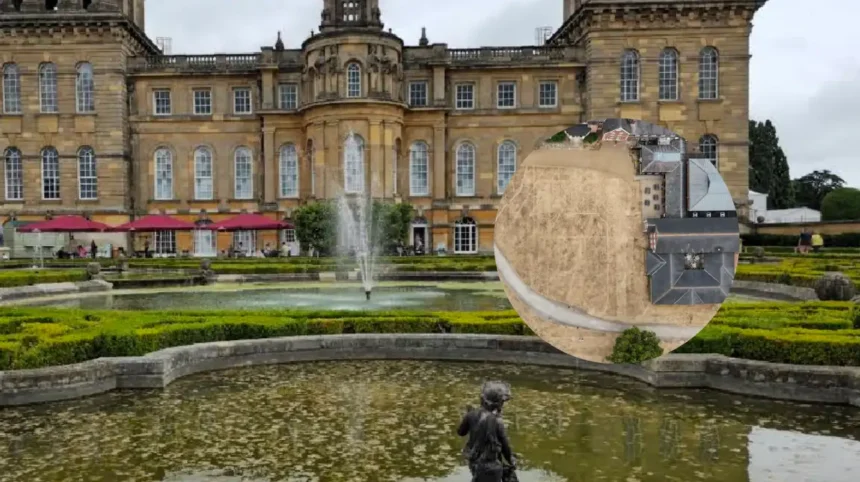
The distinctive patterns, visible from the air, were identified through drone photography and compared with historical records, including an old postcard and images featured in The Beechwood Companion by Tim Rowe. The findings reveal striking similarities between the modern-day parchmarks and the original garden design.
Beechwood Park sits within a landscape designed by the celebrated 18th-century landscape architect Capability Brown, whose work can also be found at some of Britain’s most famous estates, including Blenheim Palace, Chatsworth House and Longleat. Recent hot, dry conditions across the country have led to similar historic features reappearing at a number of heritage sites, as differences in soil depth and moisture retention reveal traces of long-buried structures and landscaping.
Tom Robinson, Head of Grounds at Beechwood Park, said: “We’ve all been fascinated by the historic garden features emerging at some of the country’s great estates this summer, so to find evidence of Beechwood Park’s own parterre appearing in our lawns was incredibly exciting. Seeing the drone photographs alongside historic images has given us a remarkable glimpse into the past and a greater appreciation of the landscape we’re privileged to look after today.”
The discovery has generated significant interest among the Beechwood Park community, offering a unique opportunity to explore another chapter in the history of the estate. The drone imagery, viewed alongside historic photographs and illustrations, demonstrates how elements of the original design can still be traced today, despite decades of change to the landscape.
For Beechwood Park School, the reveal is a timely reminder that history is not confined to archives and textbooks. It remains embedded within the grounds themselves, waiting for the right conditions to emerge. Beechwood Park is an award-winning independent preparatory school with nursery in Markyate, Hertfordshire, educating children aged 3 to 13.
How were the garden outlines identified and verified?
As reported by Hemel Today, the patterns were first spotted as parchmarks across the school’s lawns and then mapped using drone photography. Staff compared the aerial images with archival material, including an old postcard and illustrations published in The Beechwood Companion by Tim Rowe, to confirm the match with the historic parterre layout. The side-by-side analysis showed “striking similarities” between the drought-induced markings and the original formal garden design.
Why do drought conditions reveal lost garden features?
The phenomenon occurs because areas that once contained flower beds, paths or hedges have different soil profiles and root depths compared to surrounding grass. During prolonged dry spells, grass over shallower-rooted or disturbed soil dries out and browns more quickly, creating visible contrasts that trace former layouts. This summer’s heat and lack of rainfall across southern Britain have amplified the effect at multiple sites, from stately homes to school estates.
What is the wider context of Capability Brown landscapes in 2026?
Beechwood Park’s grounds form part of a wider Capability Brown-designed landscape, linking the site to a national network of historic parks where similar drought revelations have been reported in 2026. Elsewhere, prolonged hot weather has uncovered centuries-old garden patterns at properties including Chatsworth House and Longleat, where parched lawns exposed formal parterres and Dutch-style layouts. The European Drought Observatory recorded that, by the end of July 2026, 25% of England was in Alert conditions and 65% in Warning, underlining the scale of dryness driving these discoveries.
What has the school said about the discovery?
Tom Robinson, Head of Grounds at Beechwood Park, told Hemel Today that the team had been “fascinated” by historic garden features appearing at major estates and were “incredibly excited” to see evidence of their own parterre emerge on the lawns. He added that viewing drone photographs alongside historic images had given staff “a remarkable glimpse into the past and a greater appreciation of the landscape we’re privileged to look after today”. The school noted the find had generated “significant interest” within the Beechwood Park community and offered a chance to explore another chapter in the estate’s history.
Background: How this development fits into Beechwood Park’s history
Beechwood Park School occupies an estate whose wider landscape was shaped in the 18th century by Lancelot “Capability” Brown, whose commissions include Blenheim Palace, Chatsworth House and Longleat. The newly visible parchmarks correspond to a formal parterre that once formed part of the estate’s ornamental grounds before later changes to the layout. Historical understanding of the design has been supported by archival images, including an old postcard and material published in The Beechwood Companion by Tim Rowe, which helped staff match the drought-revealed patterns to the original plan. The school, which educates children aged 3 to 13 in Markyate, Hertfordshire, has described the emergence of the parterre as a reminder that the estate’s history is physically embedded in its grounds.
Prediction: How could this affect parents, pupils and local heritage audiences?
For parents and pupils, the reappearance of the parterre is likely to strengthen engagement with the school’s heritage and outdoor learning, providing a tangible link between curriculum topics and the immediate environment. Local heritage audiences and history groups may see increased interest in Markyate and the wider Hemel Hempstead area as a site where Capability Brown-era landscape features can still be traced, potentially encouraging visits, talks or community projects focused on local historic landscapes. If dry summers become more frequent, similar parchmark events could recur, prompting schools and estate managers to plan for temporary public viewing, interpretation panels or educational activities that explain how climate extremes can reveal buried history without damaging the underlying archaeology.