

Key Points
- Pembrokeshire resident pleads guilty to the manslaughter of volunteer Blood Bikes Wales driver Timothy Minett on the grounds of driving without due care.
- Roger King, 57 years old of Hermon, Pembrokeshire, is the person being charged.
- The more serious charge of manslaughter by dangerous driving is denied.
- This is the case involving the death of an NHS blood courier motorbike service in Pembrokeshire.
- The plea was given in 2026, and sentencing will follow after sometime.
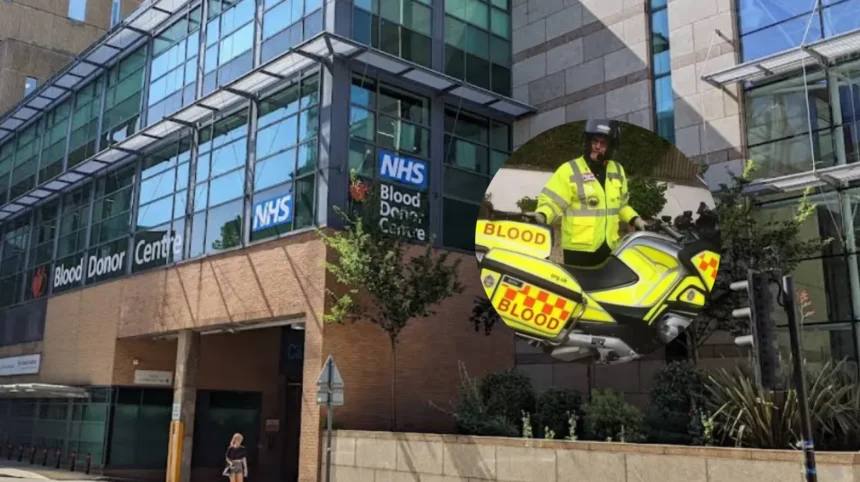
- Blood Bikes Wales offer out-of-hours urgent transport of blood samples and medicines for the NHS in Wales.
Wales (Wales Times) September 02, 2026 – A Pembrokeshire man has admitted causing the death of Blood Bikes Wales rider Timothy Minett by careless driving, in a case that has drawn attention to road safety around emergency volunteer courier operations.
- Key Points
- Who was Timothy Minett and what is Blood Bikes Wales?
- What has the defendant admitted in court?
- What charges are before the court and what happens next?
- How have local media and the community reported the case?
- Background to the development
- Prediction: how this development could affect road users and volunteer courier services
As reported by journalists covering the case for the Western Telegraph and Pembrokeshire Herald, Roger King, 57, of Hermon, entered a guilty plea to causing death by careless driving in relation to the collision that killed Mr Minett, who was volunteering as an NHS blood courier.
Mr King denies a more serious allegation of causing death by dangerous driving, according to local reporting on the court proceedings. The case will proceed to sentencing on the count to which he has pleaded guilty, with the dangerous driving allegation to be dealt with separately in line with court process.
Who was Timothy Minett and what is Blood Bikes Wales?
Timothy Minett, often referred to in coverage as Tim Minett, was a volunteer rider for Blood Bikes Wales, a charity that supports the NHS by transporting urgent medical items such as blood products, pathology samples, donor breast milk and medications, particularly out of hours when regular hospital logistics are reduced.
Blood Bikes Wales operates across Wales using a network of volunteer motorcyclists and drivers who respond to requests from hospitals, blood transfusion services and other NHS departments. The organisation emphasises that its riders are trained volunteers who follow strict safety and operational protocols while providing a free, urgent transport service for the health service.
Mr Minett’s death has been widely reported as the loss of a volunteer who was carrying out duties in support of NHS services in west Wales, underlining the risks faced by emergency and urgent-care courier volunteers on public roads.
What has the defendant admitted in court?
According to reports from the Western Telegraph and Pembrokeshire Herald, Roger King, 57, from Hermon, Pembrokeshire, has admitted causing the death of Timothy Minett by careless driving.
As covered by local journalists, Mr King has entered a guilty plea to the charge of causing death by careless driving, while denying the alternative, more serious charge of causing death by dangerous driving. The reporting indicates that the plea was recorded at court in 2026, with further procedural steps to follow before sentencing on the admitted count.
The coverage does not set out detailed evidence about the mechanics of the collision, such as precise location, speed, or vehicle types, beyond identifying the case as a fatal road traffic collision in Pembrokeshire involving a Blood Bikes Wales rider.
What charges are before the court and what happens next?
The court is dealing with two related but distinct charges: causing death by careless driving and causing death by dangerous driving.
- Mr King has pleaded guilty to causing death by careless driving.
- He has denied causing death by dangerous driving, the more serious offence, which carries higher maximum penalties if proved.
Following a guilty plea to the careless driving count, the usual next step is for the court to arrange a sentencing hearing, at which pre-sentence reports and victim impact statements may be considered before a judge determines the appropriate sentence. The dangerous driving charge, which he denies, will proceed through the normal trial process unless there is a subsequent change of plea or prosecutorial decision.
Local reports state that the case concerns a fatal collision in Pembrokeshire but do not provide a detailed timeline of police investigation, inquest proceedings or Crown Prosecution Service decisions beyond the recording of the pleas.
How have local media and the community reported the case?
Coverage in the Western Telegraph and Pembrokeshire Herald has focused on the court plea, the identity of the deceased as a Blood Bikes Wales volunteer, and the dual charges faced by the defendant.
As reported by journalists at both titles, the key facts presented to readers are that Mr King has admitted causing death by careless driving, that Mr Minett was a volunteer rider for Blood Bikes Wales, and that the more serious dangerous driving charge remains contested. The reporting is factual and avoids speculation about the circumstances of the crash beyond what has been placed on the court record in public summaries.
The case has been framed in local news as a tragic road death involving an NHS support volunteer, with emphasis on the legal process now underway following the plea.
Background to the development
Blood Bikes Wales was established to provide an urgent, out-of-hours logistics service for the NHS in Wales, using volunteer motorcyclists and drivers to transport time-sensitive medical items between hospitals, laboratories and blood centres. The charity’s work reduces delays in diagnosis and treatment by moving samples and blood products faster than standard courier services can manage during evenings, nights and weekends.
Fatal collisions involving volunteer emergency or urgent-care riders periodically prompt renewed discussion about road safety, driver awareness of motorcycles, and the risks faced by those supporting health services on public roads. In this case, the admission of guilt to causing death by careless driving marks a significant stage in the criminal process, while the denial of the dangerous driving charge means that not all aspects of the case have been resolved by plea.
The development follows police investigation and prosecution decisions that led to charges being brought against Mr King, and now places the matter in the hands of the court for sentencing on the admitted count and further proceedings on the contested count.
Prediction: how this development could affect road users and volunteer courier services
This development is likely to affect several groups in different ways.
- Road users in Pembrokeshire and west Wales: High-profile fatal collision cases often lead to increased local awareness of motorcycle safety and more cautious driving around two-wheeled vehicles, particularly among car and van drivers who share rural and urban roads with couriers.
- Blood Bikes Wales and similar charities: Organisations may use the case to reinforce training on risk assessment, route planning and defensive riding for volunteers, while also engaging with road safety campaigns to highlight the presence of urgent-care motorcyclists.
- NHS logistics planners: Hospital and blood service managers may review how they coordinate with volunteer courier groups, ensuring that risk assessments and communication protocols remain robust when requesting urgent transports.
- Families and the bereaved: For those affected by road deaths, public reporting of court pleas can bring a measure of clarity about legal responsibility, though sentencing and any contested trial elements will still shape the final outcome.
- Policy and enforcement debates: While this case proceeds through the existing legal framework, it may feed into wider discussions about penalties for fatal careless and dangerous driving, and about how best to protect vulnerable road users, including emergency and volunteer riders.
Overall, the admission of guilt on the careless driving charge is likely to sharpen local focus on road behaviour around motorcycles and volunteer couriers, while the ongoing dangerous driving allegation ensures that the case remains under active judicial scrutiny until all charges are resolved.