

Key Points
- The St Davids Cathedral will give a chance to see rare medieval objects on Bank Holiday in August 2026.
- This will include ancient carved stones, remains of a medieval prison and 14th Century Cathedral gatehouse.
- Access to this site gives an opportunity to the general public to visit some historic parts that otherwise cannot be accessed by visitors.
- This will take place during the Bank Holiday period and is expected to provide cultural tourism for the region of Pembrokeshire.
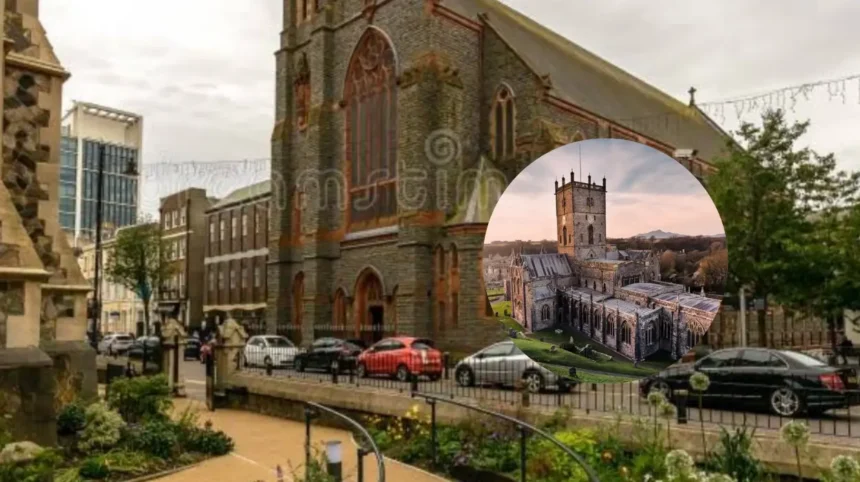
- This Cathedral gatehouse is known as Porth-y-Twr and is from the 14th Century.
St Davids (Wales Times ) August 22, 2026 – uk/local/st-davids/">St Davids Cathedral has announced a special opening of rarely accessed medieval treasures for Bank Holiday visitors, providing unprecedented public access to ancient carved stones, medieval prison remains and the last surviving 14th-century Cathedral gatehouse. The initiative marks a significant opportunity for visitors to explore historically significant features of the Cathedral that are not typically open to the general public during standard visiting hours.
- Key Points
- What Medieval Treasures Are Opening at St Davids Cathedral?
- Why Is the 14th-Century Gatehouse Significant?
- How Can Visitors Access the Ancient Carved Stones and Prison Remains?
- Who Is Behind the Decision to Open Medieval Treasures?
- What Historical Context Shapes These Medieval Treasures?
- Background of the Medieval Treasures Development
- Prediction: How This Development Can Affect Heritage Tourism in Pembrokeshire
What Medieval Treasures Are Opening at St Davids Cathedral?
According to reporting by the Pembrokeshire Herald, the Bank Holiday opening will grant visitors access to three distinct historical features within the Cathedral complex. The ancient carved stones represent some of the earliest artistic and religious expressions associated with the Cathedral’s nearly 900 years of history. These stones, which include inscribed markers and decorative elements, provide insight into the craftsmanship and religious iconography of medieval Wales.
The medieval prison remains offer a glimpse into the judicial and ecclesiastical authority once wielded by the Cathedral. As reported by the Pembrokeshire Herald, these remains form part of the broader Cathedral complex that served not only as a place of worship but also as an administrative centre with judicial functions during the medieval period. The prison facilities reflect the Cathedral’s historical role in maintaining order and administering justice within its jurisdiction.
The last surviving 14th-century Cathedral gatehouse, known as Porth-y-Twr, represents one of the most architecturally significant structures within the Cathedral grounds. According to booking information for guided visits to the Cathedral’s Lapidarium, the gatehouse houses the Lapidarium collection and stands as the last remaining 14th-century gatehouse associated with the Cathedral. This structure provides visitors with direct access to medieval defensive and ceremonial architecture that has survived centuries of change.
Why Is the 14th-Century Gatehouse Significant?
The Porth-y-Twr gatehouse holds particular historical importance as the last surviving 14th-century gateway to St Davids Cathedral. As noted in historical records referenced by History Points, the gatehouse and bell tower form part of the Cathedral’s defensive and ceremonial infrastructure from the medieval period. The structure’s survival through nearly seven centuries makes it an exceptional example of 14th-century ecclesiastical architecture in Wales.
According to the Pembrokeshire Herald’s coverage, the gatehouse will serve as the access point for visitors wishing to view the Lapidarium collection housed within. The guided, ticketed visits to the Lapidarium in the Cathedral’s gatehouse represent a structured approach to managing public access while preserving the historical integrity of the space. This arrangement allows the Cathedral to share its medieval treasures with visitors while maintaining appropriate conservation standards.
The gatehouse’s architectural features reflect the Norman and later medieval building traditions that shaped St Davids Cathedral. As documented in various historical sources, the Cathedral itself was largely rebuilt during the 12th century, with successive additions creating the remarkable mix of medieval architecture visible today. The 14th-century gatehouse represents one of the later additions to this architectural ensemble, demonstrating the continued investment in the Cathedral’s infrastructure during the late medieval period.
How Can Visitors Access the Ancient Carved Stones and Prison Remains?
The Bank Holiday opening provides a specific window for public access to these historically significant features. According to the Pembrokeshire Herald, visitors during the Bank Holiday period will be able to access the ancient carved stones, medieval prison remains and the gatehouse as part of a coordinated opening arrangement. The timing of this opening coincides with the Bank Holiday weekend, which typically sees increased visitor numbers to cultural and heritage sites across Wales.
For those seeking more detailed exploration of the carved stones collection, the Cathedral’s Lapidarium offers guided visits. As indicated in booking information, guided tours of the Lapidarium are available on specific dates, with ticketed access required. These visits provide structured interpretation of the carved stones and other lapidary collections housed within the gatehouse, allowing visitors to gain deeper understanding of the historical and artistic significance of these medieval treasures.
The Cathedral’s standard opening hours, as referenced in information about similar Welsh cathedrals, typically run from early morning through late afternoon on weekdays, with slightly reduced hours on Sundays. However, the special Bank Holiday opening for the medieval treasures represents an enhanced access opportunity beyond the standard visiting arrangements. Visitors are advised to check the Cathedral’s official information for specific timing and any booking requirements that may apply to the special opening.
Who Is Behind the Decision to Open Medieval Treasures?
The decision to open these rarely seen medieval treasures reflects the Cathedral’s ongoing commitment to public engagement with its historical collections. As reported by the Pembrokeshire Herald in related coverage, Dean Sarah previously made history as the first woman to serve as Dean of St Davids Cathedral, marking a significant moment in the institution’s leadership. The current opening initiative continues this tradition of making the Cathedral’s heritage accessible to contemporary audiences.
The Cathedral operates under the Church in Wales, which oversees the administration and preservation of St Davids Cathedral as one of the great historic shrines of Christendom. According to information from the Church in Wales, the Cathedral serves both as an active place of worship and as a heritage site of national importance. The decision to open medieval treasures for public viewing balances the Cathedral’s dual role as a functioning religious institution and a custodian of Welsh historical heritage.
Local tourism and heritage organisations in Pembrokeshire have welcomed the opening as a contribution to the region’s cultural tourism offerings. The Pembrokeshire Herald’s coverage positions the opening within the broader context of what’s on in Pembrokeshire, suggesting coordination with regional tourism promotion efforts. The timing during Bank Holiday weekend maximises the potential visitor impact, aligning with peak tourism periods in the region.
What Historical Context Shapes These Medieval Treasures?
St Davids Cathedral’s history extends back nearly 900 years, with the saint himself founding a monastery on the site around 500 AD. According to historical documentation, the Cathedral lies in a river valley that was deliberately chosen for its hidden location, protecting it from Viking raids during the early medieval period. This strategic positioning contributed to the Cathedral’s survival and continued importance through centuries of political and religious change.
The medieval treasures now opening to visitors represent different phases of the Cathedral’s development. The ancient carved stones include elements from the early Christian period in Wales, reflecting the site’s significance as a pilgrimage destination and centre of religious learning. As noted in historical sources, St David spearheaded the Christianisation of his homeland, and the Cathedral became the focal point of this religious transformation.
The 14th-century gatehouse and associated prison remains reflect the Cathedral’s later medieval development, when it served not only as a religious centre but also as an administrative and judicial authority. Historical records indicate that the Cathedral complex included various functional buildings supporting its ecclesiastical jurisdiction, including defensive structures like the gatehouse and facilities for maintaining order such as the prison. These features demonstrate the Cathedral’s comprehensive role in medieval Welsh society.
Background of the Medieval Treasures Development
The opening of St Davids Cathedral’s medieval treasures builds upon decades of conservation and interpretation work at the site. The Cathedral has undergone various restoration and preservation efforts throughout the 20th and 21st centuries, ensuring that medieval features remain accessible to contemporary visitors. The Lapidarium collection, housed within the 14th-century gatehouse, represents one outcome of these conservation efforts, bringing together carved stones and other lapidary elements for public display and study.
The decision to provide enhanced access during Bank Holiday 2026 reflects ongoing efforts to balance conservation requirements with public engagement. Medieval stonework and architectural features require careful environmental management to prevent deterioration from excessive visitor numbers or inappropriate handling. The structured access through guided visits and timed openings allows the Cathedral to share its treasures while maintaining appropriate conservation standards.
Historical documentation of the Cathedral’s features has improved significantly in recent decades, with organisations such as History Points providing detailed online resources about specific elements like the gatehouse and bell tower. This improved documentation supports more informed interpretation for visitors, allowing them to understand the historical significance of what they are viewing. The Bank Holiday opening leverages this improved understanding to enhance the visitor experience.
Prediction: How This Development Can Affect Heritage Tourism in Pembrokeshire
The opening of St Davids Cathedral’s medieval treasures is likely to strengthen Pembrokeshire’s position as a destination for heritage tourism in Wales. The region already attracts visitors for its coastal path, beaches and natural beauty, but enhanced access to medieval historical features adds a cultural dimension that can extend visitor stays and encourage repeat visits. Tourism operators and local businesses in St Davids and surrounding areas may benefit from increased visitor numbers during peak periods such as Bank Holiday weekends.
The structured access model, combining general opening with guided ticketed visits to specific features like the Lapidarium, offers a template for other heritage sites seeking to balance conservation with public access. If visitor response proves positive, similar arrangements could be adopted at other Welsh cathedrals and medieval sites, potentially creating a network of enhanced heritage experiences across the region. This could contribute to Wales’s broader cultural tourism strategy and support rural economies dependent on visitor spending.
For the Cathedral itself, the opening may generate additional revenue through ticket sales and donations, supporting ongoing conservation work. The increased visibility of medieval treasures could also encourage scholarly interest and research, potentially leading to new discoveries about the Cathedral’s history and the broader context of medieval Christianity in Wales. Long-term, this could enhance the Cathedral’s reputation as a centre for medieval studies and heritage interpretation, attracting both academic and general visitors interested in Welsh religious history.