

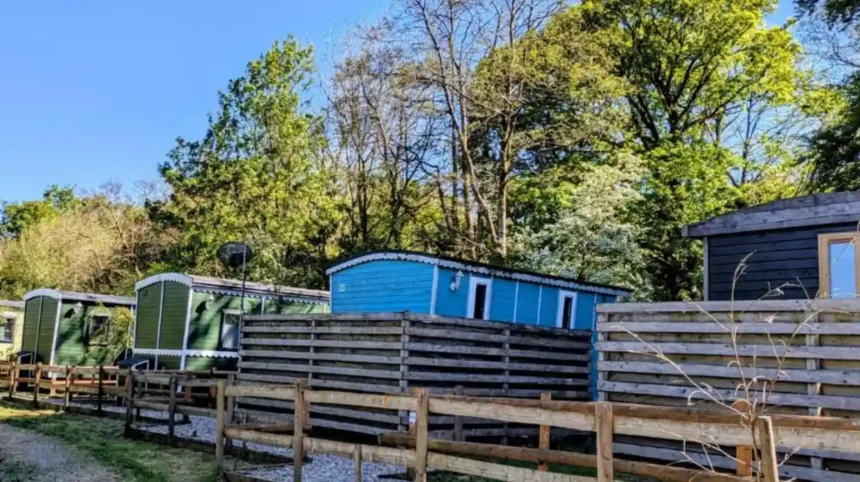
Dog friendly cottages Wales accommodations are specialized self-catering holiday properties tailored to accept domestic pets while offering direct access to coastal paths, rural trails, and national parks. They feature enclosed gardens, tiled mudrooms, dog amenities, and proximity to year-round pet-accessible locations across Welsh destinations.
- What are the historic origins of holiday cottages in the Welsh countryside?
- How do regional variations define dog friendly cottages Wales options?
- What key structural components should pet owners evaluate before booking?
- What operational mechanisms and laws regulate dog friendly cottage stays?
- What real-world examples illustrate ideal dog friendly cottage itineraries?
- What key data points and statistics define pet friendly tourism in Wales?
- What future implications and trends are shaping pet friendly holiday rentals?
- Frequently Asked Questions
- How do I find dog friendly cottages Wales properties with completely secure gardens?
- Are dogs allowed on beaches in Wales during the summer months?
- What are the main rules for walking dogs near sheep in rural Wales?
- How many dogs do holiday cottages in Wales usually allow?
- Do I need to bring my own dog equipment when staying in a Welsh cottage?
Wales contains almost 4,000 pet-friendly holiday cottages distributed across coastal regions, national parks, and rural market towns. Self-catering properties provide dedicated physical infrastructure designed specifically for managing canine companions after outdoor activities. Key structural elements include fully enclosed outdoor spaces, stone or tiled flooring, outdoor hose stations, and ground-floor utility rooms. Traditional Welsh farmhouses, converted stone barns, and coastal whitewashed cottages form the foundation of this accommodation sector. These properties eliminate the restrictions associated with hotel stays by granting private access, flexible feeding spaces, and immediate perimeter exercise areas.
The geographic positioning of Welsh holiday cottages directly enhances their operational appeal for dog owners. Over 800 miles of the Wales Coast Path provide contiguous walking terrain, while three national parks present distinct terrain models. Regional architecture incorporates deep entryways and utility spaces originally engineered for agricultural use, which now serve as drying areas for wet fur and gear. Property managers install dog-specific amenities including raised feeding bowls, orthopaedic dog beds, secure boundary fencing, and welcoming packs containing local treat products.
The self-catering model gives dog owners total autonomy over daily routines, dietary management, and exercise schedules without disturbing other guests. Accommodations range in capacity from small one-bedroom stone dwellings suited for a single visitor with one dog to expansive rural manors supporting multi-generational families with multiple pets. The integration of pet-friendly infrastructure with proximity to public footpaths creates a complete ecosystem for pet-inclusive travel.
What are the historic origins of holiday cottages in the Welsh countryside?
Holiday cottages in Wales originated from historical stone agricultural dwellings, quarrymen cottages, and coastal fisherman homes built during the eighteenth and nineteenth centuries. Industrialization and mid-twentieth-century rural shifts transformed these functional buildings into preserved self-catering properties designed for leisure tourism.
The structural foundation of Welsh holiday cottages dates to the early industrial era between 1780 and 1890. Industrial growth in slate quarrying, coal extraction, and agriculture required dense housing networks for workers across rural regions. In Gwynedd and Eryri, quarrying operations produced rows of granite and slate cottages, while agricultural estates across Powys and Ceredigion constructed detached farmworker dwellings. Fishermen built low-profile stone cottages along the coastline of Pembrokeshire and Anglesey to withstand severe maritime weather patterns.
Rural depopulation during the early twentieth century caused many traditional agricultural and industrial cottages to fall out of residential use. The UK National Parks Act of 1949 established protected zones across Snowdonia, the Pembrokeshire Coast, and the Brecon Beacons, which encouraged rural regeneration through sustainable tourism initiatives. Private landowners and conservation organizations began restoring these empty stone structures during the 1960s and 1970s, converting them into managed self-catering accommodations.
Historical restoration practices prioritized retaining original architectural features such as exposed timber beams, inglenook fireplaces, thick slate walls, and quarry tile floors. These traditional building materials proved exceptionally durable for heavy foot traffic, water exposure, and indoor domestic animals. Modern property owners adapted these restored heritage buildings to meet rising demand for dog-friendly tourism by modernizing heating, adding secure boundary walls, and installing utility rooms designed for wet gear.
How do regional variations define dog friendly cottages Wales options?
Wales contains distinct regional cottage markets categorized into North Wales, Mid Wales, South Wales, and West Wales. Each region offers specific terrain features, historic building structures, coastal access patterns, and unique public space protection policies governing pet travel.
North Wales features dramatic mountain landscapes and coastal islands centered around Eryri National Park and Isle of Anglesey. Cottages in this region consist primarily of heavy slate and stone structures designed to withstand high elevation weather patterns. Visitors access rugged mountain routes including the Carneddau and Glyderau ranges alongside expansive beaches like Traeth Llydan on Anglesey, where dogs run without seasonal restrictions. The region accommodates active dogs requiring high-exertion upland hiking and long beach runs.
Mid Wales presents rolling hills, river valleys, and quiet market towns like Machynlleth, Llandrindod Wells, and Newtown. Accommodation styles include timber-framed buildings, red brick estate cottages, and converted farm barns surrounded by agricultural pastureland. The Cambrian Mountains and the upper reaches of the River Severn offer tranquil, low-density trail networks ideal for anxious dogs or reactive pets needing space. Rural properties in Powys frequently feature large acreage, private farm tracks, and enclosed gardens.
West Wales encompasses Pembrokeshire and Ceredigion, characterized by dramatic coastal cliffs, ocean coves, and traditional whitewashed maritime cottages. The 186-mile Pembrokeshire Coast Path connects dozens of remote beaches such as Aber Mawr Bay and Freshwater West, which welcome dogs year-round. Cottages in this area focus heavily on coastal proximity, often featuring sea views, quick trail access, and dedicated outdoor shower facilities for rinsing sandy pets.
South Wales incorporates Bannau Brycheiniog National Park, the Gower Peninsula, and the Wye Valley. Accommodation options range from traditional forester cottages nestled near coastal pine woods to limestone agricultural dwellings in mountain valleys. The Gower Peninsula offers world-class beaches like Rhossili Bay and Oxwich Bay, where dogs enjoy unrestricted year-round shoreline access alongside vast sand dune networks.
What key structural components should pet owners evaluate before booking?
Evaluating a dog friendly cottage requires assessing critical structural components including garden boundary security, ground floor layout materials, heating mechanisms, utility room configurations, and local property pet occupancy limits.
Enclosed gardens form the primary security requirement for pet owners evaluating rural cottage properties. A secure boundary features solid fencing, traditional stone walls, or dense timber paneling measuring at least four to six feet in height with zero low-level gaps. Property descriptions should confirm whether the garden is completely private or shared with adjoining holiday units. Double-gated entry systems offer additional protection by preventing dogs from bolting directly toward rural roadways or nearby livestock fields.
Internal flooring materials dictate how easily a property handles water, mud, and dog hair. Ground-floor living areas featuring slate, natural stone, porcelain tile, or heavy-duty laminate withstand moisture and allow easy sanitization. Properties with light-colored wall-to-wall carpets in high-traffic zones present maintenance challenges for owners returning from wet muddy hikes. Property layouts that separate carpeted bedrooms from tile-floored living rooms provide an optimal balance between comfort and practicality.
Utility rooms, boots rooms, and mudrooms serve as crucial transitional zones between outdoor trails and indoor living spaces. Functional utility spaces include low-basin Belfast sinks, warm water points, washable floor coverings, and dedicated drying racks for damp dog towels and coats. Properties equipped with external warm water hose points or specialized dog-wash stations allow owners to clean muddy paws and bellies completely before entering the main residential living quarters.
Property pet rules dictate maximum canine occupancy, size restrictions, and breed allowances. Standard cottage policies permit one to two dogs, while specialized large-capacity properties accept four or more pets. Clear house rules outline whether dogs are allowed on soft furnishings, if stairgates are provided to restrict upstairs access, and whether pets may remain unattended inside the cottage for short intervals.
What operational mechanisms and laws regulate dog friendly cottage stays?

Dog friendly cottage stays operate under legal guidelines including UK Public Spaces Protection Orders, the Dogs Act 1953 livestock protection laws, The Countryside and Rights of Way Act 2000, and individual property rental contracts.
Public Spaces Protection Orders created under the Anti-social Behaviour, Crime and Policing Act 2014 give Welsh local authorities power to regulate dog access in public areas. Councils enforce seasonal dog restrictions on popular resort beaches between 1 May and 30 September each year. Designated restriction zones carry fixed penalty notices or fines for non-compliance, though councils maintain extensive adjacent stretches of coastline where dogs remain legally permitted year-round.
Livestock protection laws represent a critical legal framework for pet owners exploring rural Wales. Under the Dogs Act 1953 and updated agricultural protection legislation, it is a criminal offense for a dog to worry or attack livestock on agricultural land. Farmers possess legal authority to stop dogs that pose an immediate threat to sheep or cattle. Cottage guests must keep dogs on short leads whenever crossing active farm fields, passing through gates, or walking near grazing animals.
The Countryside and Rights of Way Act 2000 governs public access rights across open country and registered common land throughout Wales. While the act grants the public freedom to explore designated open access land, it strictly mandates that dogs must be kept on a short fixed lead of no more than two meters between 1 March and 31 July each year to protect ground-nesting birds and livestock. Open access areas also require dogs to be leashed near livestock at all times of the year.
Property booking contracts impose binding legal terms regarding pet behavior, property damage, and cleanliness standards. Cottage operators require guests to pay refundable security deposits or purchase non-refundable damage waivers to cover potential impacts to furniture, walls, or landscaping. Guests must pick up all pet waste from cottage grounds immediately and dispose of it in designated sanitary bins before departure.
What real-world examples illustrate ideal dog friendly cottage itineraries?
Ideal dog friendly cottage itineraries combine strategically located base accommodations with nearby year-round accessible beaches, national park trail networks, dog-friendly heritage sites, and pet-welcoming dining establishments.
An exemplary coastal itinerary bases guests at a seaside cottage near St Dogmaels in West Wales. Morning activities center on walking along the Pembrokeshire Coast Path to Aber Mawr Bay or Poppit Sands, where expansive tidal flats grant dogs ample room to exercise. Afternoon excursions include exploring the pet-friendly grounds of Cilgerran Castle or taking a boat tour along the Teifi Estuary. Evening dining takes place at traditional coastal pubs that welcome dogs into bar areas with fresh water bowls and complimentary treats.
An upland mountain itinerary centers on a stone cottage near Betws-y-Coed or Llangollen in North Wales. Guests spend mornings hiking forest trails through the Gwydir Forest Park or exploring low-level footpaths around Llyn Idwal in Eryri National Park. The afternoon itinerary features a trip on the dog-friendly Llangollen Railway or a stroll along the Pontcysyllte Aqueduct towpath. The day finishes at a traditional rural inn featuring open log fires and stone flagstone floors suited for resting dogs.
An estate and valley itinerary uses a restored estate worker cottage on the Hafod Estate in Mid Wales as its central base. Guests access miles of historic walking trails winding past waterfalls, ancient woodlands, and formal garden grounds directly from their cottage door. Day trips include visiting the Elan Valley reservoirs, where paved estate paths and grassy banks welcome leashed dogs year-round. Local heritage market towns like Rhayader offer dog-friendly tea rooms and craft shops.
What key data points and statistics define pet friendly tourism in Wales?
Pet friendly tourism represents a significant segment of the Welsh domestic holiday market, supported by thousands of designated properties, hundreds of miles of public trails, and major economic contributions from pet-owning households.
The domestic pet accommodation sector in Wales contains nearly 4,000 verified dog-friendly holiday properties registered across major agency databases and independent letting networks. Data indicates that approximately 36 percent of UK households own a dog, making pet accessibility a primary decision factor for domestic holiday selection. Cottages that accept pets experience higher year-round occupancy rates compared to non-pet properties, particularly during shoulder seasons like autumn and spring when walking conditions remain optimal.

Wales provides an extensive network of physical assets that support pet-focused travel. The country features 870 miles of continuous coastal walking paths along the main Wales Coast Path. In addition, Wales contains three national parks covering over 20 percent of the total land mass, alongside 50 major public beaches that permit dog access 365 days a year without seasonal restrictions.
Economic research highlights that dog-owning visitors spend an average of 25 percent more per trip on local services compared to non-pet travelers due to extended stay durations and dining habits. The average pet-friendly cottage stay ranges between four and seven nights, with high demand for properties accepting two or more animals. Property owners who invest in pet amenities like enclosed gardens and warm rinsing stations achieve dynamic pricing premiums of 10 to 15 percent per week.
What future implications and trends are shaping pet friendly holiday rentals?
Future trends in pet friendly Welsh holiday rentals center on luxury feature integration, enhanced environmental sustainability, technology-driven pet safety, and expanding accessibility standards.
The definition of pet-friendly accommodation is shifting rapidly from basic acceptance to premium service delivery. Property developers are integrating dedicated dog facilities directly into modern cottage renovations. Features like built-in dog drying rooms, underfloor heating in utility zones, custom dog crates, and outdoor warm-water hydrotherapy tubs are becoming standard expectations for high-end properties. Cottage owners are catering to travelers who seek equal luxury for their domestic animals.
Environmental sustainability initiatives are influencing cottage operations across rural Wales. Eco-friendly properties utilize heat pumps, solar arrays, and rainwater harvesting systems to offset energy usage from laundry and heating. Sustainable properties combine green technology with eco-conscious pet products, providing biodegradable waste bags, organic locally sourced dog treats, and natural non-toxic cleaning products that protect both rural septic systems and sensitive pet paws.
Technology integration is enhancing pet safety and guest convenience during cottage stays. Modern properties provide guests with digital welcome guides containing GPS-mapped dog walking routes, real-time tide charts, and live updates on local beach restriction zones. Owners are equipping properties with secure smart lock entry systems, wearable GPS tracking units for guest use, and remote monitoring temperature sensors that alert owners if indoor climate conditions change while dogs rest inside.
Accessibility standards are expanding to support senior dogs and owners with mobility challenges. Cottages are removing steep exterior steps, installing gently sloped ramps, adding non-slip flooring treatments, and offering ground-floor bedroom suites. This focus ensures that older dogs with arthritis or joint mobility issues can navigate indoor and outdoor spaces comfortably, preserving the viability of family holiday traditions as pets age.
Frequently Asked Questions
How do I find dog friendly cottages Wales properties with completely secure gardens?
Look for cottage listings that explicitly specify enclosed gardens with boundary wall or fence heights stated in feet. Contact the property manager directly to confirm there are no low gaps, open hedge lines, or shared access driveways.
Are dogs allowed on beaches in Wales during the summer months?
Many popular resort beaches implement local council restrictions between 1 May and 30 September each year. However, over 50 major Welsh beaches and large stretches of remote coastline welcome dogs without restrictions all year long.
What are the main rules for walking dogs near sheep in rural Wales?
You must keep your dog on a short, fixed lead whenever you are near livestock or passing through farmland. Under the Dogs Act 1953, farmers have legal authority to protect their livestock if a dog causes distress or physical harm to farm animals.
How many dogs do holiday cottages in Wales usually allow?
Standard pet-friendly holiday cottages generally accept one or two well-behaved dogs per booking. Specialized rural farmhouses and larger country properties frequently accommodate three, four, or more pets upon direct request.
Do I need to bring my own dog equipment when staying in a Welsh cottage?
Most cottage owners recommend bringing your dog’s personal bedding, crate, food bowls, and familiar towels. While many properties provide basic pet welcome packs, using familiar items helps your dog settle comfortably into a new environment.