

Key Points
- Police and Crime Commissioner Andy Dunbobbin has commended the dedication of the North Wales Police Cadets upon attending a session at Police Headquarters located in Colwyn Bay.
- This occurred during the first National Cadet Week which began on the 5th and ended on the 11th October 2026.
- The Cadet Program run by the North Wales Police is aimed at young adults between the ages of 13 and 18 and involves a combination of weekly sessions alongside community action.
- According to North Wales Police, the Cadet Program provides exposure to police work and skill development in areas such as communication and problem-solving.
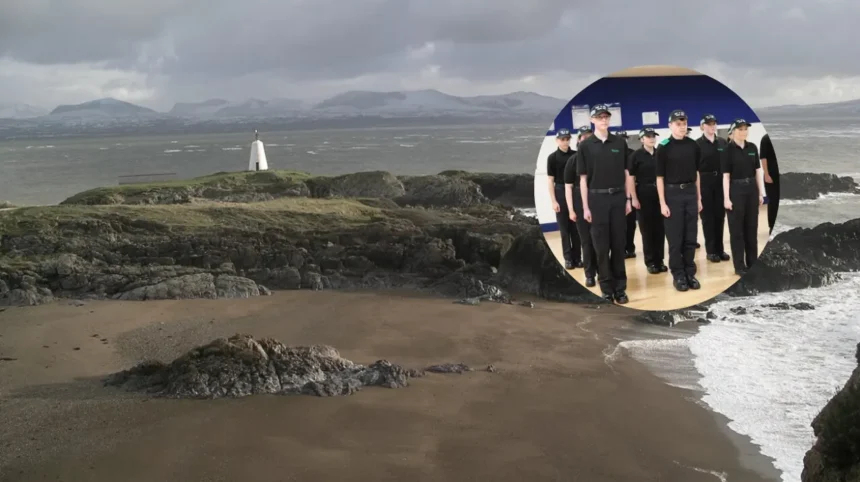
Wales (Wales Times) October 2026 — North uk/police/">Wales Police and Crime Commissioner Andy Dunbobbin praised the commitment and dedication of North Wales Police Cadets after joining one of their sessions at Police Headquarters in Colwyn Bay during the first National Cadet Week.
The Herald.Wales report, published on 9 October, says the visit took place during the nationwide week, which runs from 5 to 11 October. The Office of the Police and Crime Commissioner for North Wales also listed the meeting among its news items on 9 October, describing Dunbobbin as having joined a session at the headquarters.
The account available from the two sources is brief. It does not identify the cadets who attended, detail the session’s activities or provide a direct quotation from Dunbobbin. No additional statements from the cadets or police representatives are included in the available reports, so further specifics cannot be confirmed.
The visit brought the commissioner into contact with young people taking part in a force-run programme that introduces participants to policing and encourages them to contribute to their communities. North Wales Police describes its scheme as a volunteer programme for young people aged 13 to 18, with weekly unit meetings and community projects.
What does the cadet programme involve?
North Wales Police says cadet units meet weekly during term time, with sessions lasting two hours. Participants are also expected to volunteer for three additional hours each month to support local policing and community initiatives. Units are led by police officers, police staff and volunteers, and meet at local college venues across the region.
The force presents the programme as a way for young people to learn about policing while developing personal and practical skills. Listed areas of development include communication, teamwork, problem-solving and first aid. Cadets may also learn how to plan presentations and receive support with CVs, interviews and job application forms.
Activities described by the force include helping at public events, supporting road-safety initiatives, distributing crime-prevention information, raising money for charities and taking part in community campaigns. The programme also gives cadets an opportunity to learn about different police departments, including criminal investigation, forensics, traffic policing and response work.
The force says the scheme is open to young people from different backgrounds, including those who may not be considering a career in policing. It describes the programme’s aims as encouraging community participation, providing a practical understanding of policing and helping participants develop social, academic, personal and leadership skills.
North Wales Police lists six cadet unit areas: Anglesey, Gwynedd North, West Conwy Coastal, Denbighshire Coastal and Abergele, Deeside, and Wrexham. It says each unit has space for 20 cadets.
What is National Cadet Week?
The Ministry of Defence announced that the first National Cadets Week would take place from 5 to 11 October 2026. Its stated purpose is to celebrate the UK’s cadet community and raise awareness of opportunities available through cadet organisations. The government announcement said units would open their doors to schools, families and local communities, with outreach activities intended to encourage new cadets and volunteers.
The Ministry’s announcement covers the wider UK cadet movement, including Ministry of Defence-sponsored organisations. North Wales Police’s volunteer cadet scheme is a police programme; it should not be confused with the military cadet forces listed in the government announcement. The common focus is recognition of cadet activities and the young people and adult volunteers involved.
The Ministry also said a Cadets Action Plan would set out the government’s longer-term vision for cadet provision. Its announcement described plans to expand opportunities, improve access and support recruitment and retention of adult volunteers. Those government-wide plans provide context for the week but do not describe the specific Colwyn Bay session attended by Dunbobbin.
What safeguards apply to North Wales cadets?
North Wales Police says cadet activities are risk-assessed and that cadets are supervised by their leaders when taking part in community activities. It states that young people are not deployed where a risk assessment identifies a possibility of conflict or confrontation, and that they would be withdrawn if such a risk arose during an activity.
The force says adult leaders—including police officers, police community support officers, special constables, police staff and support volunteers—are vetted. It also says leaders receive safeguarding induction training and guidance on working with young people.
The programme’s published joining information says applicants must be aged between 13 and 15½ and have a good school attendance record. Cadets generally remain in a unit for two years and may continue as senior cadets, but not beyond their 18th birthday. The force says attendance is free and uniform is provided.
Background: North Wales Police Cadets
North Wales Police describes its cadet scheme as a volunteer programme intended to give young people a practical understanding of policing and a chance to support local communities. Its stated purpose is not to recruit future police officers, but to provide opportunities for young people to be heard, contribute locally and build skills through supervised activities.
The scheme combines regular meetings with volunteering and social action. Examples provided by the force include helping older people understand cybercrime, charity fundraising and road-safety campaigns. The force says cadets are welcome regardless of whether they have a particular interest in joining the police.
Prediction: What could the visit mean for young people?
The reported visit is a public acknowledgement of the cadets’ work during a week intended to highlight cadet programmes. For young people in North Wales, wider recognition could help make the scheme more visible to potential participants, families and community partners. That is a possible effect rather than a reported outcome: the available coverage does not report a change in recruitment or participation following the meeting.
For current cadets, the programme’s stated activities offer structured opportunities to practise teamwork, communication and community volunteering. Whether those experiences lead to particular educational, employment or policing outcomes for individuals will depend on their circumstances; the available coverage makes no claims about results from the Colwyn Bay session.