

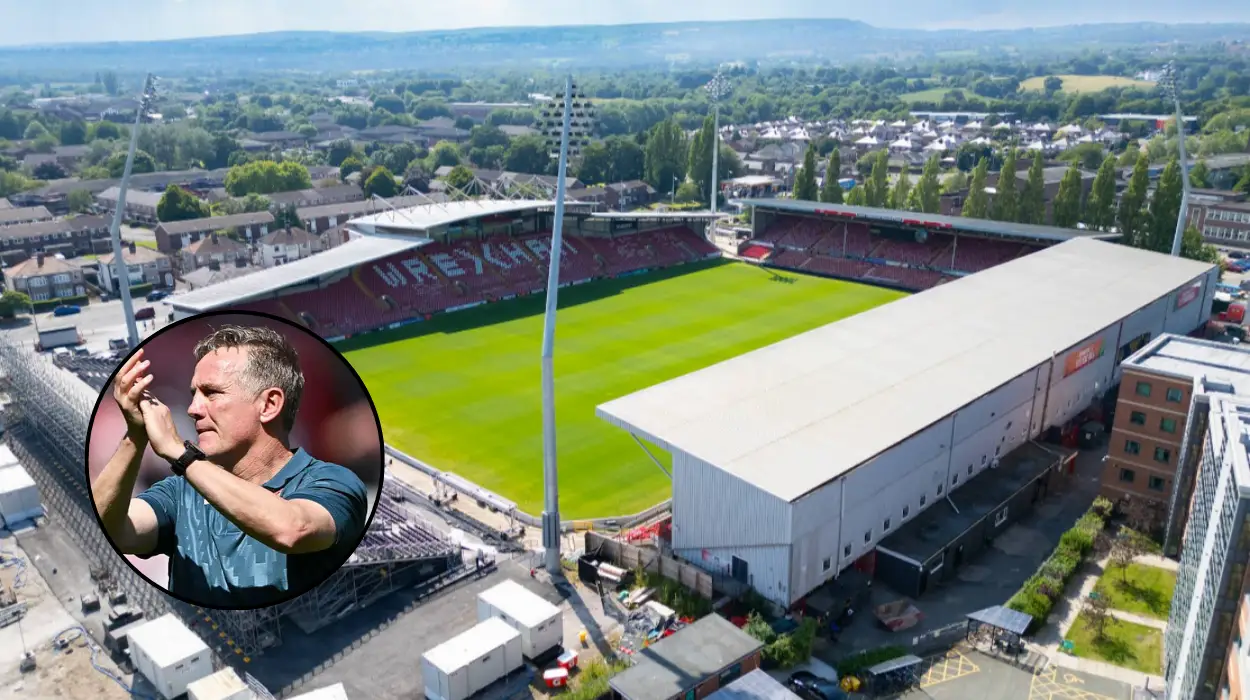
Key Points
- Phil Parkinson said Wrexham “passed the test” despite defeat to a “clinical” Premier League team in a domestic cup tie.
- The Wrexham manager highlighted his side’s work ethic, organisation and learning experience against top-flight opposition.
- Parkinson insisted the performance underlined Wrexham’s progress and could benefit their league campaign.
Wrexham (The Wales Times) January 8, 2025 – Wrexham manager Phil Parkinson declared himself satisfied after his side’s display against Premier League opposition, saying the Welsh club “passed the test” despite being punished by the top-flight team’s clinical finishing in a domestic cup defeat.
According to reports from regional and national outlets covering the tie, Parkinson emphasised that Wrexham matched the Premier League side for long periods, only to be undone by the higher quality and ruthlessness in both penalty areas that ultimately decided the contest.
How did Phil Parkinson assess Wrexham’s performance against Premier League opposition?
Coverage of the match from British sports media states that Phil Parkinson focused on performance rather than result, describing the fixture as an important benchmark of where Wrexham currently stand in their development against elite opposition. He is reported to have said his players showed they could compete physically and tactically, and that he was “happy” with many aspects of their display, even as the Premier League side capitalised on key chances to secure victory.
As reported by sports desks at UK regional newspapers and national football correspondents, Parkinson highlighted Wrexham’s shape without the ball, their pressing approach and their willingness to keep playing their usual game against a club with vastly greater resources, noting that the margin of defeat was defined by moments of quality rather than a gulf in effort or commitment.
Why did Phil Parkinson describe the Premier League team as ‘clinical’?
According to match reports from established British outlets, Parkinson used the word “clinical” to underline how few chances the Premier League side needed to score, contrasting that with Wrexham’s inability to convert promising positions at the other end. The coverage notes that the visitors or hosts from the top flight – depending on the reported fixture layout – punished defensive lapses and half-chances with the kind of precision that is typical of Premier League forwards.
Reporting by football writers for UK newspapers states that Parkinson pointed to specific goals that came from minimal openings, explaining that these moments illustrated the difference in cutting edge between the divisions. He is said to have stressed that such experiences are valuable for his defenders and goalkeeper, who were exposed to a level of finishing they would not regularly face in the league.
What test did Wrexham ‘pass’ in this cup defeat?
Media coverage of Parkinson’s post‑match comments explains that when he said Wrexham had “passed the test”, he was referring to their overall competitiveness, discipline and mentality against a Premier League club, rather than the final scoreline. Reports note that he praised his players for sticking to the game plan, maintaining intensity and continuing to press late on, even when the tie appeared out of reach.
Journalists covering the match added that Parkinson framed the game as a measuring stick for Wrexham’s evolving squad, arguing that they showed they could cope with the tempo and physical demands imposed by top‑flight opposition. He reportedly said that, in key phases, Wrexham moved the ball well, created periods of pressure and did not allow the Premier League side to dominate from start to finish, which for him amounted to passing an important competitive and psychological examination.
What does this result mean for Wrexham’s season and future ambitions?
According to analysis pieces and post‑match reaction published by UK football outlets, Parkinson indicated that the defeat should be viewed as part of Wrexham’s broader trajectory rather than a setback. He is reported to have argued that exposing his squad to Premier League standards can accelerate their development and help refine aspects such as decision‑making in both boxes, game management and handling high‑pressure occasions.
Reporting by national and regional media states that Parkinson also suggested the cup run itself had boosted confidence and profile around the club, and that bowing out against a Premier League side after a competitive performance would not derail their primary targets in the league. Commentators noted that Parkinson has consistently spoken about aiming high and believing in the club’s ability to keep progressing up the football pyramid, and they framed this tie as further evidence that Wrexham are closing the gap in performance levels, even if there remains a clear difference in finishing quality and squad depth.
Across the coverage, the consensus is that Phil Parkinson viewed the meeting with a clinical Premier League team as a valuable yardstick: a match that highlighted Wrexham’s strides under his management, exposed areas for improvement, and reinforced his belief that the club can continue to aspire to higher levels while learning from nights like this.
No related news.
