

Key Points
- The majority of Transport for Wales (TfW) services between Shrewsbury and Birmingham will be cancelled on Sunday and Monday due to air‑conditioning faults on older trains.
- Only the final three services between Birmingham and Shrewsbury on Sunday will run as scheduled.
- TfW said it could not operate its older train models during the heat and is working with its supply chain to resolve the issue.
- Passengers may use their tickets on replacement buses between Shrewsbury and Wolverhampton, calling at Telford and Wellington.
- Tickets from Wolverhampton to Birmingham will be accepted on CrossCountry trains.
- Avanti West Coast will accept “TfW only” tickets between Wales and the West Midlands on its Crewe–Stafford services on Sunday and Monday.
- Advance ticket holders for either day may also travel on West Midlands Trains between Shrewsbury and Birmingham.
- TfW said its older trains are due to be replaced in future as part of its £800 million investment in new trains.
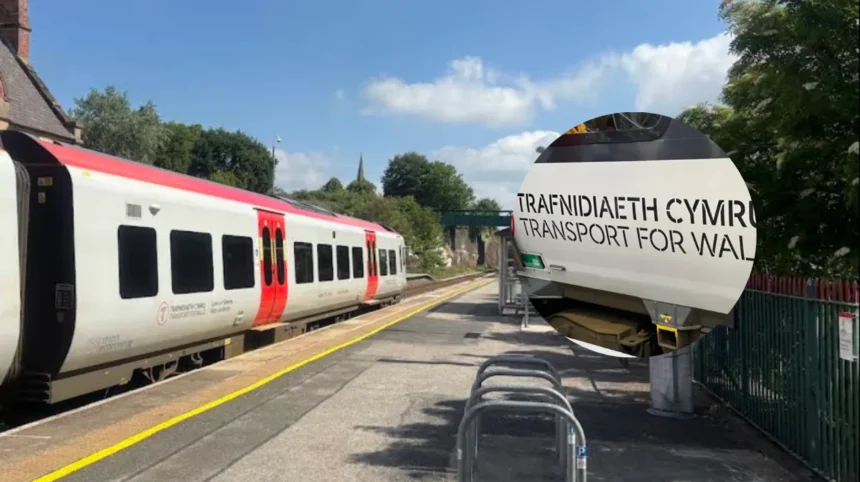
Wales (Wales Times) August 01, 2026 – The majority of Transport for Wales services between Shrewsbury and Birmingham will be cancelled on Sunday and Monday because of air‑conditioning faults affecting older train stock during a period of high temperatures. The operator confirmed that only the final three services between Birmingham and Shrewsbury on Sunday will run as planned, leaving most of the route without TfW trains across the two days.
- Key Points
- What exactly is happening with Transport for Wales services between Shrewsbury and Birmingham?
- Which trains will still run and what alternative travel options are available?
- Why are air‑conditioning faults causing such widespread cancellations?
- How are passengers being advised to plan their journeys?
- What is the background to this development?
- What is the prediction for passengers and the regional rail network?
In a statement, TfW said it was unable to run its older trains during the heat because of the air‑conditioning issues and added it was working with its supply chain to resolve the problem. The cancellations affect the Shrewsbury–Birmingham International corridor, a key regional link for commuters and travellers connecting north Wales, the Marches and the West Midlands.
What exactly is happening with Transport for Wales services between Shrewsbury and Birmingham?
Transport for Wales has confirmed that most of its services between Shrewsbury and Birmingham International will not operate on Sunday and Monday due to air‑conditioning failures on older trains in hot weather. Only the last three scheduled services from Birmingham to Shrewsbury on Sunday are expected to run as planned, according to the operator’s latest update. The disruption centres on the Shrewsbury–Birmingham International section, with wider knock‑on effects for connections to Wales, Chester and Crewe that terminate at Shrewsbury.
Which trains will still run and what alternative travel options are available?
TfW has said that only the final three Sunday services from Birmingham to Shrewsbury will proceed as scheduled. For the remainder of the affected period, passengers are being directed to replacement bus services between Shrewsbury and Wolverhampton, calling at Telford and Wellington, with existing rail tickets accepted on those buses. Between Wolverhampton and Birmingham, tickets will be accepted on CrossCountry trains.
Further flexibility has been arranged with neighbouring operators. As reported in coverage by BBC News and syndicated outlets, Avanti West Coast will allow holders of “TfW only” tickets travelling between Wales and the West Midlands to use their tickets on its services between Crewe and Stafford on Sunday and Monday. Passengers who have already purchased advance tickets for travel on either day may also use them on West Midlands Trains services between Shrewsbury and Birmingham.
Why are air‑conditioning faults causing such widespread cancellations?
TfW has attributed the cancellations to air‑conditioning malfunctions on older train models that cannot be safely or comfortably operated during higher temperatures. In its statement, the operator said it was unable to run these older trains during the heat because of the issues and that it was working with its supply chain to resolve the situation. The operator added that more trains than usual are simultaneously requiring repairs, compounding the shortage of available units for the Shrewsbury Birmingham route.
How are passengers being advised to plan their journeys?
Passengers are being advised to check journey planners before travelling and to allow extra time due to replacement bus services and altered routing. TfW’s guidance indicates that tickets will be accepted on designated replacement buses between Shrewsbury and Wolverhampton, and on partner rail services between Wolverhampton and Birmingham and on Avanti West Coast between Crewe and Stafford where applicable. Customers with advance tickets for the affected days are being permitted to travel on West Midlands Trains services between Shrewsbury and Birmingham, offering an alternative for time‑sensitive journeys.
What is the background to this development?
This disruption follows a pattern of heat‑related constraints on older rolling stock across UK rail networks, where air‑conditioning systems on aging trains can struggle to cope during sustained high temperatures. TfW has previously reported cancellations on the Shrewsbury–Birmingham corridor when multiple units require maintenance simultaneously, including a November 2024 incident where a full day of service was scrapped due to a shortage of available trains. The operator has noted that some of its older trains do not have air conditioning as they were built at a time when it was not common in the UK, and that faults on equipped units can still occur during peak demand. TfW added that its older trains are due to be replaced in the future as part of its £800 million investment in new trains.
What is the prediction for passengers and the regional rail network?
In the short term, passengers on the Shrewsbury Birmingham corridor should expect continued reliance on replacement buses and partner rail services until TfW confirms that sufficient air‑conditioned units are back in service. If high temperatures persist, similar constraints could reappear on other routes using the same older stock, potentially affecting punctuality and capacity beyond the immediate Shrewsbury Birmingham section. For regular commuters and regional travellers, the disruption may increase journey times and reduce seat availability, prompting some to consider alternative modes or flexible working arrangements during heatwaves. Over the longer term, the incident highlights the need for accelerated fleet renewal and improved maintenance resilience to reduce the frequency of weather‑related service reductions on regional lines.