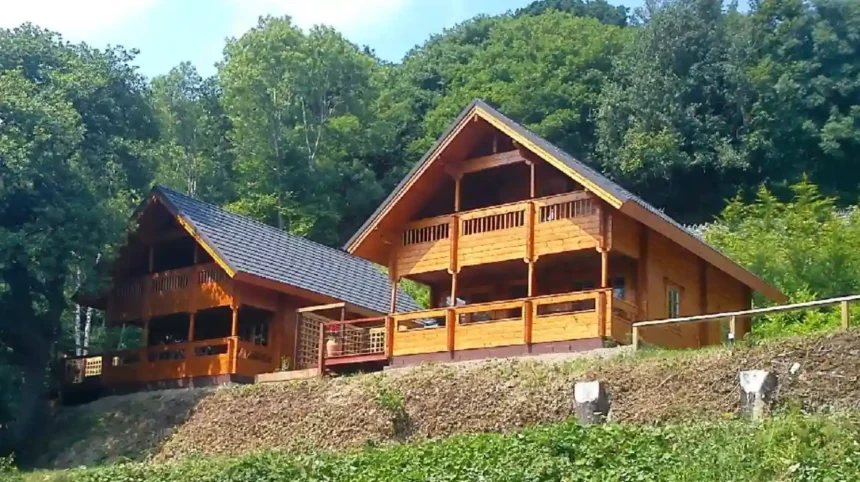
Wooden cabins Wales represent an evolution from early Celtic timber dwellings to modern sustainable architecture. Historically built for practical agricultural use, these structures now utilize Scandinavian construction standards while preserving local architectural heritage across traditional rural landscapes.
The origin of timber construction in the Welsh landscape dates back to the sub-Roman period when builders relied on structural roundwood. Archaeological excavations confirm that early populations constructed roundhouses using local oak trees before transitioning to stone components. The preservation of these techniques occurs in historical replicas found across open-air heritage museums. Traditional wood processing relied entirely on local forest resources until industrial trade routes opened. This foundational woodcraft established a baseline for regional carpentry that directly influences current construction methods.
Modern architectural designs began integrating Scandinavian kit home methodologies during the late twentieth century to satisfy vacation demands. This shift introduced interlocking square logs that replaced traditional roundwood systems completely across structural projects. Developers chose these configurations because uniform timber pieces allow rapid assembly on complex hillside terrains. This manufacturing evolution accelerated the transition of timber cabins from basic farm storage units into upscale accommodations. Statistical databases show that timber framework usage in rural developments escalated by forty percent between 1990 and 2010.
The material composition of contemporary units features 3 specific timber types: Scots pine, European larch, and Douglas fir. Builders select these specific softwoods due to natural resistance to decay and high structural elasticity under load. Scots pine provides optimal thermal insulation properties while European larch contains high resin densities that repel moisture naturally. Douglas fir offers the superior tensile strength required for expansive roof spans in large cabin builds. Wood suppliers subject all structural timber to kiln drying processes to reduce moisture content below twenty percent.
Statutory updates like the Caravan Sites and Control of Development Act 1960 modified the legal classification of temporary timber dwellings. This legislation defines the physical limits of twin-unit caravans and sets specific transportability criteria for manufactured cabins. Structures meeting these legal parameters bypass certain elements of standard foundations while requiring strict adherence to seasonal occupancy limitations. These statutory boundaries protect rural environments from overdevelopment while allowing landowners to diversify agricultural income streams. Consequently, the intersection of historic carpentry and modern planning laws creates a highly regulated accommodation asset class.
Where are the primary locations for wooden cabins Wales?
The primary locations span distinct geographical zones including Snowdonia in the north, the Cambrian Mountains in Mid Wales, and the Pembrokeshire coast. These regions offer varied topographies that support eco-tourism developments and sustainable holiday infrastructure.
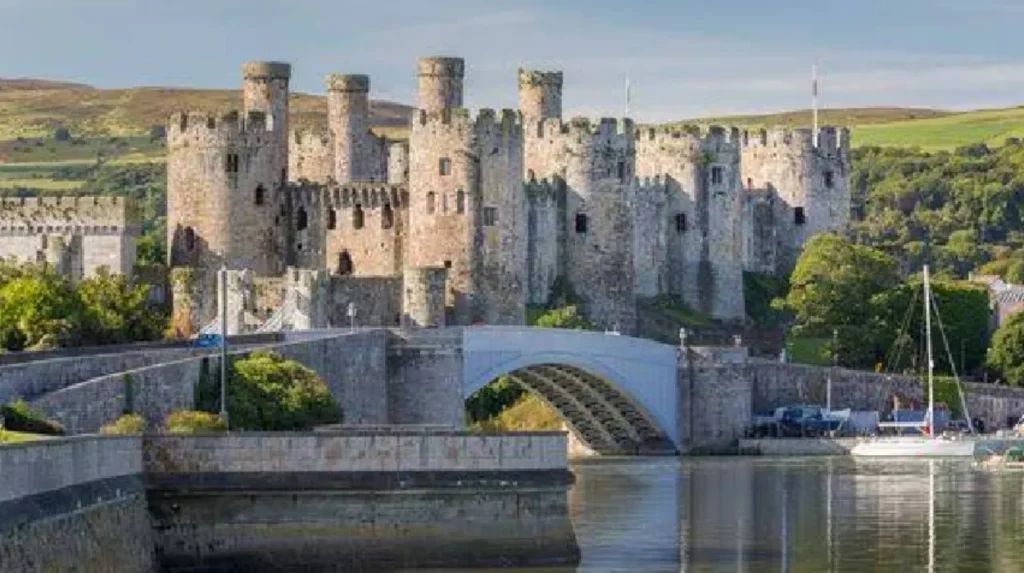
The northern region centers around the borders of Eryri National Park where steep topography dictates specialized alpine cabin layouts. High elevation settlements require structural reinforcements to withstand elevated wind speeds and heavy annual rainfall averages. Local authorities restrict development zones to protect the natural aesthetic of glacier-carved valleys and historic slate landscapes. Travelers accessing these remote northern properties rely on updated infrastructure reports to navigate complex mountain passes. Visitors often check the current North Wales travel conditions before planning journeys during peak bank holidays to avoid congested transit corridors.
The central territory features high concentrations of secluded cabins situated within the rural boundaries of Powys and Ceredigion. This geographical expanse contains vast coniferous plantations that supply raw materials directly to regional timber processing facilities. Cabins in Mid Wales focus primarily on off-grid integration, utilizing solar arrays and natural spring water filtration networks. The low population density of the Cambrian Mountains makes this sector prime territory for stargazing infrastructure. Tourism data reveals that bookings for central isolated cabins increase during winter months due to dark sky tourism initiatives.
The southern and western sectors present coastal cabin variants positioned along the edge of the Pembrokeshire Coast National Park. These builds integrate salt-resistant exterior coatings to prevent accelerated weathering caused by marine air exposure. Coastal cabins must align with maritime landscape preservation policies that govern visibility from public shorelines and walking trails. Many developments locate themselves near traditional settlements to provide visitors with immediate access to regional heritage. Tourists frequently base themselves in these coastal cabins to explore nearby historic areas, including notable historic towns in Wales that feature preserved medieval architecture and active marketplaces.
How does the construction industry regulate wooden cabins Wales?
The construction industry regulates these cabins through strict planning permissions under the Town and Country Planning Act 1990 and building regulations of 2010. Compliance requires meeting high thermal efficiency standards, structural integrity rules, and environmental impact assessments.
The procurement of planning authorization requires detailed validation of land use compatibility before any physical ground clearance begins. Local planning authorities assess applications based on structural visibility, highway access safety, and proximity to protected wildlife habitats. Strict environmental policies require developers to submit professional ecological surveys detailing the impact on indigenous bat and bird species. Failure to secure an official certificate of lawfulness results in statutory enforcement actions, including mandatory structural demolition. Planning laws explicitly prohibit unauthorized permanent residential occupancy in units designated strictly for seasonal holiday usage.
Building Regulations 2010 Part L mandates strict conservation of fuel and power metrics across all newly fabricated timber structures. Operators must ensure walls achieve low U-values, which measure the rate of heat transfer through structural components. Compliance requires the installation of high-density mineral wool insulation or rigid polyisocyanurate foam panels inside wall cavities. Structural engineers calculate specific load-bearing tolerances to account for maximum localized snow accumulation and severe wind pressures. These calculations guarantee that timber framing remains stable over a minimum projected lifespan of thirty years.
Environmental sustainability mandates dictate that builders source raw materials exclusively from verified sustainable forestry operations. Certification from the Forest Stewardship Council confirms that logging practices do not compromise woodland biodiversity or long-term ecological stability. Landowners also utilize localized development frameworks, including 3 specific planning schemes: One Planet Development, Rural Enterprise Dwellings, and Farm Diversification Grants. The One Planet Development policy permits low-impact structural builds in open countrysides provided occupiers achieve carbon neutrality within five years. These rigorous verification frameworks ensure that the expansion of holiday accommodation does not degrade rural environments.
Fire safety enforcement requires compliance with the Regulatory Reform Fire Safety Order 2005 across all commercial rental properties. Cabins must incorporate structural fire barriers that offer a minimum of thirty minutes of fire resistance between separate internal zones. Interior timber surfaces receive specialized flame-retardant chemical treatments to reduce surface flame spread ratings significantly. Building inspectors mandate the installation of interconnected mains-powered smoke alarms and dedicated emergency exit pathways in every unit. Regular electrical testing certificates must be renewed every three years to eliminate risks from aging internal wiring components.
What specific amenities define luxury wooden cabins Wales?
Luxury amenities include integrated outdoor hot tubs, wood-burning stoves, and high-speed satellite internet networks. Modern installations feature energy-efficient underfloor heating systems, custom double-glazed glass panels, and dedicated electric vehicle charging points for contemporary travelers.
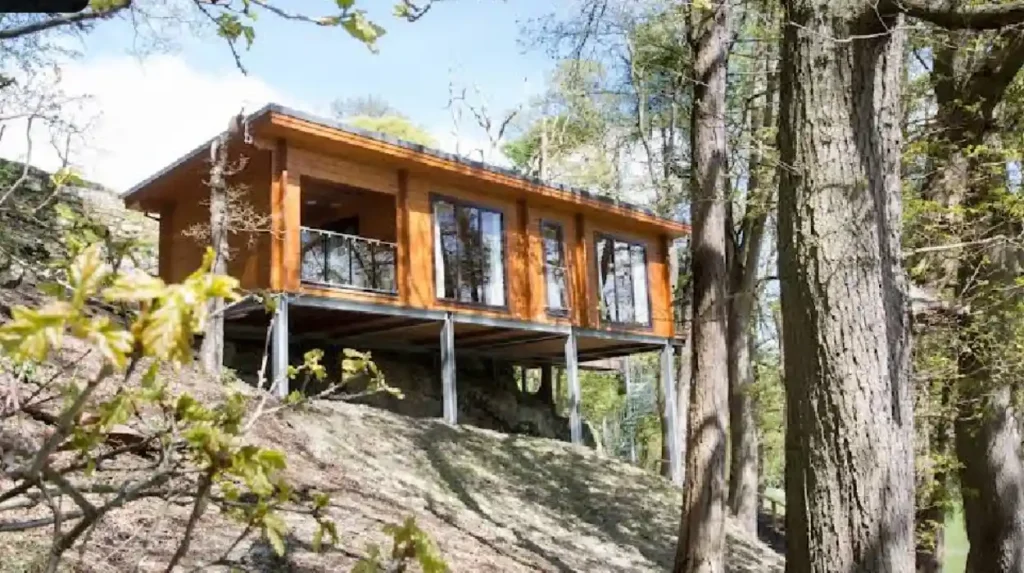
The integration of hydrotherapy installations represents a primary commercial requirement for high-tier accommodation rankings across digital booking platforms. Hot tubs require dedicated electrical sub-panels capable of supporting continuous thirty-amp power draws for heating elements and water jets. Maintenance staff must perform daily chemical testing to ensure water chemistry conforms to public health safety guidelines. Filtration systems utilize ozone purification or ultraviolet sterilization to eliminate organic pathogens without generating heavy chemical odors. Architectural designs recess these tubs directly into structural timber decking to preserve sweeping panoramic views of surrounding valleys.
Internal heating systems rely on advanced thermodynamic principles to optimize energy usage while maintaining consistent comfort levels. Ground-source heat pumps extract ambient subterranean warmth to operate low-temperature hydronic underfloor heating pipe networks embedded in concrete subfloors. This configuration ensures uniform heat dissipation across the entire timber floor surface without creating dry air currents. Supplemental heating comes from high-efficiency wood-burning stoves that meet current Ecodesign clean air standards for particulate emissions. These stoves utilize external air feeds to prevent the depletion of oxygen levels within sealed, airtight cabin interiors.
Digital infrastructure installations utilize advanced telecommunication hardware to provide reliable connectivity across remote wilderness environments. Properties deploy fixed-satellite terminal arrays to secure high-speed data feeds bypassive of traditional copper telephone networks. This structural connectivity supports automated building management systems that control internal temperatures and security functions remotely. Local networks often benefit from regional digital upgrades that enhance communication channels across isolated valleys. Remote operators rely heavily on these systems, utilizing specialized Mid Wales infrastructure funding to implement low-power wide-area sensor networks for real-time property monitoring.
Exterior architectural specifications emphasize seamless visual transitions between internal living zones and the surrounding natural topography. Structural engineers design expansive floor-to-ceiling glass facades using argon-filled, double-glazed structural panes with low-emissivity coatings. These glass installations minimize internal solar heat gains during summer while preventing thermal radiation loss throughout winter months. Covered external verandas utilize hidden fastening clips to create smooth structural walking surfaces free of exposed metal screws. Automated exterior lighting utilizes low-intensity light-emitting diodes calibrated to three thousand Kelvin to mitigate localized light pollution.
What is the economic impact of wooden cabins Wales on local tourism?
The economic impact includes millions of pounds in annual visitor spending across regional hospitality sectors. These developments generate permanent employment, stimulate local construction manufacturing, and distribute tourism revenue evenly throughout rural communities outside peak summer periods.
Financial metrics indicate that independent cabin developments generate significant secondary revenue for rural commercial establishments. Visitor spending analysis confirms that holidaymakers allocate approximately forty-five percent of travel budgets to regional food providers, retail outlets, and activity centers. This capital injection sustains small village businesses that otherwise suffer from severe seasonal revenue drops during winter. Tourism boards report that the presence of high-end cabins extends average visitor stay durations from two nights to five nights. This behavioral shift creates a stable economic multiplication effect that benefits the entire regional supply chain.
The operational lifecycle of cabin groups requires a permanent workforce to manage ongoing maintenance, guest services, and administrative logistics. Property management companies hire local trade specialists, including 3 distinct groups: plumbing contractors, electrical engineers, and landscape technicians. These positions provide year-round employment opportunities in regions historically dependent on low-wage seasonal agricultural jobs. Wage distributions from these positions remain within the immediate community, raising domestic purchasing power and stabilizing rural demographics. Furthermore, specialized training in eco-cabin maintenance equips local workers with advanced skills in green technology management.
The initial construction phase of timber developments provides immediate capital stimulation to domestic manufacturing and forestry businesses. Regional timber mills experience heightened demand for structural timber cladding, internal flooring panels, and custom tongue-and-groove boards. Construction firms prioritize local sourcing to reduce material transportation costs and satisfy carbon offset targets set by planning conditions. This localized procurement process ensures that initial capital investments remain within regional boundaries before the property opens to guests. Consequently, the manufacturing phase acts as an immediate economic stabilizer for the industrial sector.
The long-term development trajectory targets full alignment with the Welsh Government Strategy for Sustainable Tourism 2030. This blueprint mandates the reduction of carbon footprints across commercial accommodations while expanding inclusive economic opportunities. Future investments focus on constructing net-zero timber cabins that utilize recycled materials and generate surplus renewable energy. These advanced environmental credentials attract a high-spending demographic committed to minimal-impact travel practices. As regulatory frameworks tighten, the integration of smart green technologies will dictate the market valuation of holiday assets.
FAQs About Wooden Cabins Wales
What planning permissions are required to build wooden cabins Wales?
Building a wooden cabin requires formal planning permission from the local authority if the structure serves as a commercial holiday rental or permanent residence. Applications must satisfy the Town and Country Planning Act 1990 by demonstrating safe highway access, appropriate waste management systems, and minimal impact on local wildlife habitats.
Are wooden cabins Wales suitable for winter holidays?
Modern wooden cabins offer optimal insulation suitable for sub-zero winter conditions due to compliance with Building Regulations Part L thermal efficiency standards. Features include high-density cavity insulation, double-glazed glass windows, hydronic underfloor heating networks, and enclosed wood-burning stoves that maintain steady interior temperatures year-round.
How long do the structural timbers of a log cabin last?
The structural lifespan of a professionally constructed timber cabin exceeds thirty years provided the exterior surfaces receive regular maintenance treatments. Utilizing durable wood species like European larch or pressure-treated Scots pine prevents wood rot and insect infestation when combined with a robust moisture barrier foundation.
Can I bring domestic pets to wooden cabins Wales?
A significant proportion of holiday cabins across the region offer dedicated pet-friendly accommodations to satisfy consumer demand. Data from booking indexes shows that approximately sixty percent of operators permit domestic dogs, provided guests adhere to specific rules regarding countryside safety and livestock protection laws.
What waste disposal systems do off-grid wooden cabins Wales use?
Off-grid installations utilize specialized self-contained sewage treatment plants or underground septic tanks that comply with Natural Resources Wales environmental permits. These systems process domestic wastewater through anaerobic filtration mechanisms before discharging clean effluent into approved drainage fields without damaging local water tables.