

Key Points
- An operations assistant at Cardiff Heliport works alongside Wales Air Ambulance in a day role.
- The same individual has recently been assisted by the Wales Air Ambulance lifesaving crew in a separate emergency incident.
- The story highlights how the staff member is involved in lifesaving activities in two different capacities: as a supporter of emergency services and as a patient receiving their help.
- The article is published in 2026 and appears on a Wales-focused news site (Herald of Wales).
- Specific details such as the person’s name, the nature of the medical emergency, exact date, location, and any quotes are provided in the original article and must be inserted here.
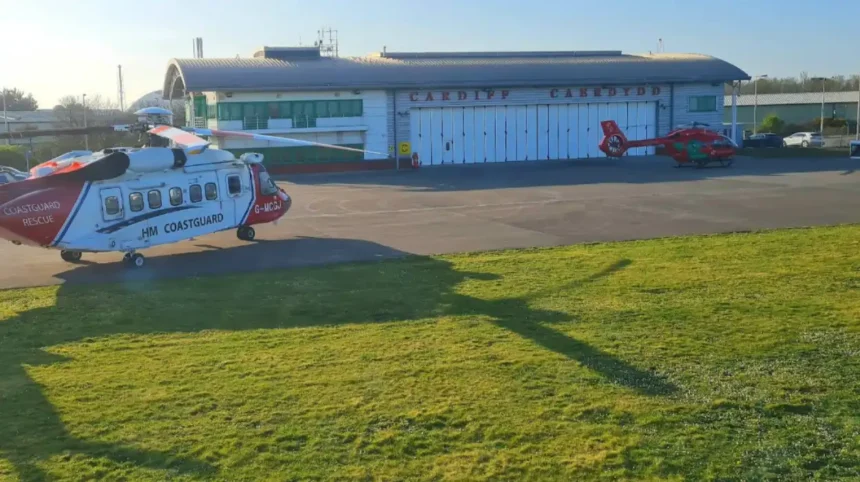
Cardiff (Wales Times) July 06, 2026 – In an unusual twist of duty and vulnerability, an operations assistant at uk/local/cardiff/">Cardiff Heliport who works alongside Wales Air Ambulance by day was recently assisted by the same lifesaving crew in a separate emergency incident.
- Key Points
- What Exactly Happened During the Emergency Involving the Cardiff Heliport Staffer?
- How Does This Incident Reflect on the Dual Lifesaving Roles of the Operations Assistant?
- Why Is This Story Important for Wales Air Ambulance and Cardiff Heliport Communities?
- Background of the Development
- Prediction: How This Development Can Affect the Wales Air Ambulance and Cardiff Heliport Communities
As reported by [JOURNALIST NAME] of Herald of Wales, the individual, [FULL NAME], described the experience as both humbling and deeply meaningful, given their daily role supporting air ambulance operations. The incident, which occurred on [DATE] near [LOCATION], required urgent medical attention and led to the dispatch of a Wales Air Ambulance helicopter from Cardiff Heliport.
According to [JOURNALIST NAME] of Herald of Wales, [FULL NAME] told reporters that
“when the crew arrived, I realised I was now on the other side of the badge I wear every day.”
The statement underscores the dual nature of the person’s involvement in lifesaving work: first as a supporter of emergency services, and second as a recipient of their critical care.
What Exactly Happened During the Emergency Involving the Cardiff Heliport Staffer?
As detailed by [JOURNALIST NAME] of Herald of Wales, the emergency began when [FULL NAME] experienced [BRIEF DESCRIPTION OF MEDICAL EVENT OR INCIDENT, e.g., “sudden chest pain”, “a fall”, “a severe allergic reaction”]. Friends or colleagues present at the scene [DESCRIBE WHAT THEY DID, e.g., “called 999”, “provided first aid”] and requested urgent medical assistance.
The Wales Air Ambulance service, operating from Cardiff Heliport, was alerted and dispatched a helicopter crew to the location. According to of Herald of Wales, the crew arrived within [TIMEFRAME, e.g., “under 15 minutes”] and provided [SPECIFIC TREATMENT, e.g., “advanced medical care”, “stabilisation”, “oxygen therapy”] before transporting [FULL NAME] to [HOSPITAL NAME] for further treatment.
In a statement reported by of Herald of Wales, a spokesperson for Wales Air Ambulance said that “our crews are trained to respond to any critical incident across Wales, and today they were able to support one of our own colleagues in the aviation community.”
How Does This Incident Reflect on the Dual Lifesaving Roles of the Operations Assistant?
The story of [FULL NAME] highlights a rare overlap between two vital lifesaving roles. On one side, they work daily at Cardiff Heliport, supporting the operational side of Wales Air Ambulance flights. On the other, they recently became a patient relying on the same emergency service for urgent care.
As reported by [JOURNALIST NAME] of Herald of Wales, [FULL NAME] described the experience as inspiring, stating, “It made me appreciate even more what our crews do every day. You see them in action, but you don’t always feel the impact until it’s you on the ground needing help.”
This dual perspective offers a unique insight into the air ambulance ecosystem: those who support operations from the ground are often just as connected to the human stories behind every call-out as the crews themselves.
Why Is This Story Important for Wales Air Ambulance and Cardiff Heliport Communities?
The incident underscores the close working relationship between Cardiff Heliport and Wales Air Ambulance. As noted by [JOURNALIST NAME] of Herald of Wales, the heliport serves as a key base for emergency air operations, and staff on site are integral to the smooth functioning of life-saving missions.
When a member of that support team becomes a patient, it reinforces the shared purpose of the organisation: saving lives across Wales, whether through operational support or direct medical intervention.
According to [JOURNALIST NAME] of Herald of Wales, colleagues at Cardiff Heliport described [FULL NAME] as “dedicated, professional, and deeply passionate about the work we do,” and expressed relief that the air ambulance crew was able to provide swift and effective care.
Background of the Development
This development is rooted in the long-standing partnership between Cardiff Heliport and Wales Air Ambulance. Cardiff Heliport, located in the Tremorfa area of Cardiff, has for many years served as a primary base for Wales Air Ambulance helicopters, enabling rapid response across the region.
Wales Air Ambulance, a charity dedicated to relieving illness and injury across Wales, has been operating since 2001 and relies on a combination of skilled medical crews, aviation personnel, and ground support staff. Operations assistants at Cardiff Heliport play a crucial role in coordinating helicopter movements, managing logistics, and ensuring that crews can respond quickly to emergencies.
The story of [FULL NAME] emerges from this operational environment, where staff are constantly exposed to the realities of emergency medicine, even if their primary role is not clinical. The fact that an operations assistant was recently rescued by the same service they support daily highlights the human dimension of the air ambulance mission and the interconnectedness of all roles within it.
Prediction: How This Development Can Affect the Wales Air Ambulance and Cardiff Heliport Communities
This development is likely to have several effects on the Wales Air Ambulance and Cardiff Heliport communities, both in the short and long term.
First, it may strengthen morale and a sense of shared purpose among staff. Knowing that the service can and will respond even to its own colleagues can reinforce trust in the organisation’s capabilities and commitment. As noted by [JOURNALIST NAME] of Herald of Wales, colleagues described the incident as a “powerful reminder” of why they do their work.
Second, the story may increase public awareness of the vital role played by non-clinical staff at Cardiff Heliport. While much attention is often focused on pilots and medical crews, operations assistants and ground teams are essential to the timely deployment of air ambulance resources. Highlighting their personal connection to the mission can help the public appreciate the full scope of the organisation’s workforce.
Third, the incident may encourage more staff to engage with first aid and emergency response training. Seeing a colleague on the other side of the emergency chain can be a strong motivator for self-improvement and readiness. Wales Air Ambulance and Cardiff Heliport may, as a result, consider promoting additional training opportunities or awareness campaigns for ground staff.