
Key Points
- Pupils and staff at St Joseph’s RC Primary School in Cardiff have been awarded the LiveSimply award.
- The award is run by CAFOD, the Catholic Agency for Overseas Development, and is open to Catholic schools and colleges in England and Wales.
- To win, schools must demonstrate they are living simply, sustainably and in solidarity with communities around the world experiencing poverty.
- The achievement highlights faith-inspired actions that link care for people and care for creation, reflecting Catholic Social Teaching and documents such as Laudato Si’ and Fratelli Tutti.
- The award is part of a wider movement: round 100 Catholic schools across England and Wales have now achieved the LiveSimply award.
- Schools typically carry out actions such as growing food, working toward eco certifications, supporting foodbanks, participating in solidarity campaigns, and using natural environments for learning.
- The development aligns with broader UK policy trends pushing schools toward sustainability, net-zero ambitions and climate action plans in 2026.
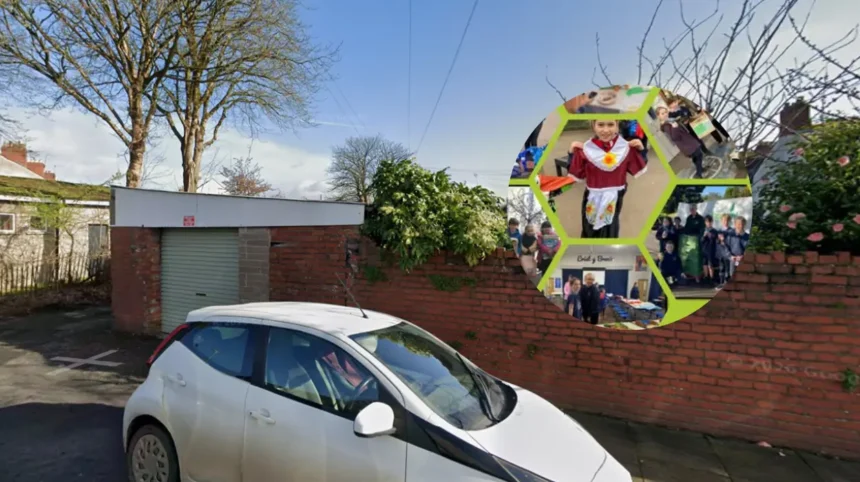
Cardiff (Wales Times) News July 09, 2026 – Pupils and staff from St Joseph’s RC Primary School in uk/local/cardiff/">Cardiff have achieved the LiveSimply award, confirming that they are living simply, sustainably and in solidarity with communities around the world experiencing poverty. The announcement, reported by the Vatican Information Service via the Ind Catholic News website, marks a significant milestone for the school in its ongoing commitment to faith-based environmental and social action.
- Key Points
- What does the LiveSimply award require schools to do?
- How have other schools used the LiveSimply award to drive change?
- Why is this award significant for schools in 2026?
- What impact could the LiveSimply award have on pupils, staff and the local community?
- Background to the LiveSimply award and its development
- Future outlook: how the LiveSimply award could shape schools and communities
The LiveSimply award, championed by CAFOD, the Catholic international development charity, recognises schools that pledge to live simply, sustainably and in solidarity with the world’s poorest communities. According to CAFOD’s own guidance, the award is open to Catholic schools and colleges in England and Wales that commit to faith-inspired actions demonstrating these three pillars: simplicity, sustainability and solidarity.
As reported by the Ind Catholic News, the school’s achievement confirms that St Joseph’s has put these principles into practice through a range of activities and policies that affect daily life for pupils, staff and families. The award is not a one-off certificate but a recognition of sustained effort over time, requiring schools to show how their actions are rooted in Catholic faith and teaching.
What does the LiveSimply award require schools to do?
The LiveSimply award for schools is designed to help Catholic educational settings respond to the Catholic Church’s call to “hear the cry of the earth and the cry of the poor”. To achieve the award, schools must be able to demonstrate that they have been living in line with three key dimensions:
- Living simply: reducing unnecessary consumption, valuing sufficiency over excess, and modelling a lifestyle that respects limited resources.
- Living sustainably: taking concrete steps to protect the environment, reduce waste, save energy, and minimise the school’s ecological footprint.
- Living in solidarity with the poorest: supporting communities experiencing poverty locally and globally through fundraising, advocacy, educational projects and partnerships.
CAFOD explains that the award is an invitation for schools to follow in the footsteps of Jesus, who lived and preached a simple life, and to take meaningful action on the ecological crisis we face today. The process requires pupils to take action, understand why they are taking action, and know how their faith inspires that action.
The award also offers an opportunity for Catholic Social Teaching, and the messages of Laudato Si’ and Fratelli Tutti, to be demonstrated in practice. Schools are expected to show evidence of how these teachings have shaped policies, projects and everyday behaviour across the school community.
How have other schools used the LiveSimply award to drive change?
St Joseph’s is not the only school in Wales to have benefited from the framework. At St Cuthbert’s Primary School, for example, the LiveSimply Lead Miss Lyndsey Huntley guided the school community through a journey that included growing food in an allotment, working towards an Eco Award, taking part in the Big Lent Walk, making links with parishioners and the SVP, collecting for foodbanks, supporting local charities, participating in Forest Schools and organising events for the International Day of Peace and World Youth Fun Day.
As stated on St Cuthbert’s own website, “living simply is not a one-off project – it is part of who we are”. Through faith in action, care for creation and service to others, pupils there continue to make a meaningful difference locally and globally. This approach mirrors the intention behind the LiveSimply award: to embed sustainability and solidarity into the culture of the school rather than treat them as occasional projects.
Across England and Wales, CAFOD has reported that 100 schools have now achieved the LiveSimply award, representing more than 30,000 pupils in primary and secondary schools. This milestone is described as “a momentous occasion for Catholic schools across England and Wales” and a testament to the commitment of staff and students.
Why is this award significant for schools in 2026?
The achievement by St Joseph’s RC Primary School in Cardiff sits within a broader national context in which UK schools are being pushed to turn net-zero ambitions into action in 2026. New government policy, updated frameworks and standards, and green funding initiatives are increasing pressure on schools to decarbonise and improve sustainability.
The UK government’s Education Estates Strategy, published in 2026, sets out a 10-year plan to renew, modernise and future-proof schools and colleges across England, backed by £38 billion in capital investment between 2025–26 and 2029–30. The strategy emphasises that the estate should be “inclusive, safe, suitable, sustainable and sufficiently sized”.
Under the new Renewal and Retrofit Programme, over £700 million will fund projects to improve building condition and increase climate resilience, with pilots launching in April 2026 in the East Midlands, Yorkshire and the Humber, and the South East, before expanding nationally by 2029. The government is also expanding its Sustainability Support Programme to all settings, helping schools develop climate action plans and embed sustainability leadership.
For Catholic schools, the LiveSimply award provides a faith-based framework that complements these policy drivers. It offers a structured way to translate national sustainability goals into concrete, values-led actions that resonate with pupils, families and local communities.
What impact could the LiveSimply award have on pupils, staff and the local community?
For pupils at St Joseph’s RC Primary School, the award is likely to strengthen their sense of purpose and agency. By taking action, understanding why they are acting, and seeing how their faith inspires that action, students develop both environmental literacy and a global outlook grounded in solidarity. Activities such as growing food, supporting foodbanks and participating in solidarity campaigns can build practical skills, empathy and a habit of civic engagement.
Staff members gain a clear framework for integrating sustainability and social justice into teaching, leadership and school culture. The award can also serve as a professional development tool, helping teachers and support staff to connect Catholic Social Teaching with everyday practice in ways that are visible and measurable.
For the local community in Cardiff, the school’s achievement can act as a model for other institutions, including non-Catholic schools, parish groups and community organisations. As schools increasingly embed climate action plans and sustainability leadership, the LiveSimply award can help demonstrate how faith-based values can drive practical change that benefits both people and the planet.
Background to the LiveSimply award and its development
The LiveSimply award was launched by CAFOD, the Catholic Agency for Overseas Development, as the official aid agency of the Catholic Church in England and Wales. CAFOD stands beside people living in poverty, whatever their religion or culture, and works in communities across Africa, Asia and Latin America.
The award for schools is an extension of CAFOD’s broader LiveSimply campaign, which encourages parishes and individuals to strengthen community bonds, nourish spiritual life and care for God’s gift of creation. The school version is open to Catholic schools and colleges in England and Wales that commit to faith-inspired actions, demonstrating they are living simply, sustainably and in solidarity with communities around the world experiencing poverty.
The framework draws on Catholic Social Teaching and key Church documents, including Laudato Si’, Pope Francis’s 2015 treatise on ecology, and Fratelli Tutti, his 2020 letter on fraternity and social friendship. These texts call for a holistic response to the ecological crisis and to global inequality, emphasising care for creation, justice for the poor and the need for solidarity across borders.
By 2026, the award has reached a significant milestone: 100 schools across England and Wales have achieved it, representing more than 30,000 pupils in primary and secondary settings. This growth reflects both the attractiveness of a faith-based sustainability framework and the increasing priority of environmental and social issues in Catholic education.
Future outlook: how the LiveSimply award could shape schools and communities
The recent success of St Joseph’s RC Primary School in Cardiff, alongside the wider expansion of the LiveSimply award, suggests that faith-based sustainability models will continue to play an important role in UK education in the coming years. As the government’s Education Estates Strategy pushes schools toward net-zero buildings, climate resilience and sustainability leadership, the award offers a values-driven pathway to meet these goals.
For pupils, staff and families in Cardiff and beyond, the award could deepen engagement with sustainability issues and strengthen links between schools, parishes and local communities. As more schools adopt climate action plans and sustainability leadership roles, the LiveSimply framework may increasingly complement official policy initiatives, offering a practical, faith-rooted way to translate national ambitions into everyday practice.
In a context where schools are under growing pressure to decarbonise and address inequality, the LiveSimply award can help ensure that these efforts are not only technically sound but also ethically grounded, community-oriented and connected to a broader vision of global solidarity.