

Key Points
- A 21-year-old man from Newport was shot by a police firearms officer on St Edward Street at around 11:55pm on Friday, 10 July 2026.
- The officer believed the man was in possession of a crossbow after reports of threatening behaviour.
- The man received first aid at the scene and was taken to hospital, where he remains in a stable condition.
- Gwent Police say the incident is isolated and there is no ongoing risk to the public; they are not looking for anyone else.
- Deputy Chief Constable Nicholas McLain confirmed standard procedures have been followed, including contact with the Independent Office for Police Conduct (IOPC).
- Police have asked the public for CCTV, dashcam footage, or any information, quoting log reference 2600220612.
- Crimestoppers can be contacted for anonymous information.
Newport (Wales Times) July 11, 2026 – A 21-year-old man from uk/local/newport/">Newport has been shot by a police firearms officer after being spotted in possession of what was believed to be a crossbow on a city street, leaving him in a stable condition in hospital.
- Key Points
- Why Did Police Decide to Use a Firearm in This Newport Incident?
- How Are Police and Independent Bodies Responding After the Shooting?
- What Does This Incident Mean for Public Safety and Police–Community Relations in Newport?
- How Will the Investigation Unfold and What Could It Lead To?
- Background: How Police Use of Firearms and Weapons Enforcement Works in Gwent
- Prediction: How This Development Could Affect Residents, Students, and Local Communities in Newport and Gwent
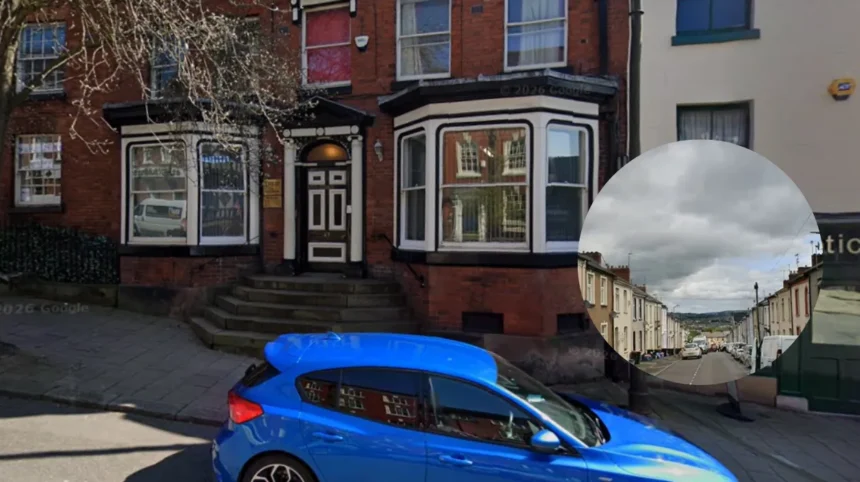
The incident occurred on St Edward Street in Newport at around 11:55pm on Friday, 10 July 2026. Gwent Police said they were called to reports of threatening behaviour and that officers, including specially-trained firearms officers, attended the scene. On arrival, officers encountered a man who was believed to be carrying a weapon, described as a crossbow.
As reported by the journalist covering the incident for Wales Online, Gwent Police stated that the man was shot by an officer with a police-issued firearm. The man received first aid at the scene and was then taken to hospital, where medical staff say he remains in a stable condition.
Why Did Police Decide to Use a Firearm in This Newport Incident?
Decisions to use a firearm by police are taken only when officers believe there is an immediate threat to life or a serious risk of significant harm. In this case, Gwent Police said the decision to use a firearm was made after officers assessed the level of risk posed by a man believed to be carrying a weapon following reports of threatening behaviour.
Deputy Chief Constable Nicholas McLain of Gwent Police said:
“We understand the concern that this matter may cause within our communities, but there is no ongoing risk to the public as this is an isolated incident. We are not looking for anyone else in connection with it”.
He further stated:
“While reports of offences involving firearms and weapons are rare in Gwent, we take all reports of this nature seriously and respond to them in a professional and proportionate manner based on the level of risk posed by the available information”.
This wording reflects the standard approach used by UK police forces when explaining the use of firearms, focusing on proportionality, risk assessment, and the absence of wider public danger.
How Are Police and Independent Bodies Responding After the Shooting?
Following any discharge of a police firearm, Gwent Police said they have made contact with the Independent Office for Police Conduct (IOPC) in line with standard procedures. The IOPC is now conducting an assessment of the incident, which is a routine step in cases involving police use of firearms.
Gwent Police have also asked anyone with information, including CCTV or dashcam footage, to assist officers in their enquiries. They said people can call 101, visit the police website, or send a direct message on social media, quoting log reference 2600220612. The public can also contact Crimestoppers anonymously with any information.
These steps are consistent with how UK police forces handle post-discharge reviews, including evidence gathering, public engagement, and independent oversight.
What Does This Incident Mean for Public Safety and Police–Community Relations in Newport?
The shooting has drawn attention in Newport and across Gwent, particularly because incidents involving police firearms are rare in the area. Deputy Chief Constable McLain acknowledged that the matter may cause concern within communities, but he stressed that the incident is isolated and there is no ongoing risk to the public.
For residents and local businesses in Newport, the immediate practical impact is likely to be limited in terms of day-to-day safety, as police have confirmed no further suspects are being sought and there is no wider threat. However, the incident may influence how some people view police presence and use of force in the city, particularly if details around the crossbow, the man’s behaviour, and the exact moment the firearm was used become clearer.
In the days following the event, local community groups, councillors, and faith leaders may be expected to comment on the incident, especially if there are concerns about how the situation developed or whether de-escalation options were available. Such discussions are common after high-profile police incidents and can shape local attitudes toward law enforcement.
How Will the Investigation Unfold and What Could It Lead To?
The IOPC assessment is now underway, which means an independent body will review whether the officer’s actions were lawful, necessary, and proportionate. This process typically involves examining witness statements, forensic evidence, any available video footage, and the officer’s decision-making at the time.
Depending on the outcome of the assessment, the IOPC may recommend no further action, refer the case to the police for management, or, in more serious instances, consider whether criminal or misconduct proceedings are appropriate. Gwent Police have stated they will continue to support the investigation and provide updates as information becomes available.
For the man who was shot, whose identity has not been publicly named in initial reports, the focus will remain on his medical recovery and any legal proceedings that may follow. The outcome of the IOPC review could also influence future discussions about police training, use of less-lethal options, and how threats involving weapons like crossbows are managed in urban settings.
Background: How Police Use of Firearms and Weapons Enforcement Works in Gwent
In Gwent, as in the rest of England and Wales, police officers are trained to use firearms only when there is an imminent threat to life or a serious risk of significant harm. Firearms officers are specially trained and deployed in situations where the risk level is high, such as when a person is believed to be carrying a weapon and behaviour is threatening.
The use of firearms is governed by strict legal and operational standards, including the requirement that any action must be necessary, proportionate, and in line with the officer’s assessment of risk at the time. After any discharge of a firearm, the IOPC is informed and conducts an independent assessment, as was done in this Newport incident.
Crossbows, while not classified as firearms, can still be considered weapons under the law, especially when used or carried in a way that causes fear or intimidation. Police responses to such situations depend on the context, including the location, the behaviour of the person involved, and whether there are reports of violence or threats.
Prediction: How This Development Could Affect Residents, Students, and Local Communities in Newport and Gwent
For residents of Newport and the wider Gwent area, the immediate effect of this incident is likely to be heightened awareness of police presence and a renewed focus on how weapon-related threats are handled in the city. While police have said there is no ongoing risk, the event may lead some people to be more cautious in certain areas, particularly late at night, and to report suspicious behaviour more quickly.
Students in Newport, including those at local colleges and universities, may see increased discussion about police use of force, safety on campus and in the city, and the role of independent oversight such as the IOPC. Community meetings, student forums, or local council sessions could feature questions about whether less-lethal options were available, how threats involving crossbows are managed, and whether additional training or resources are needed.
In the longer term, the outcome of the IOPC assessment could influence public trust in Gwent Police, particularly if the review is seen as thorough and transparent. If the investigation concludes that the officer’s actions were justified, it may reinforce confidence in current procedures; if it raises concerns, it could lead to calls for changes in training, policy, or the availability of alternative tools to manage weapon-related threats without resorting to firearms.
For Abdul Raheem and other students in Islamabad looking at this case as an example of UK policing, the incident highlights how police forces balance public safety, legal constraints, and community relations when dealing with weapon-related incidents. It also shows how independent oversight bodies like the IOPC play a key role in maintaining accountability after high-profile events.