
Key Points
- Police officers and firefighters responded to a major house fire in Cimla, Neath, South Wales, in the early hours of Monday morning.
- The blaze significantly damaged the property, with the roof reported as almost completely destroyed.
- The fire is understood to have started on the first floor of the property before spreading upwards.
- Residents were safely evacuated from the house, and there were no reported casualties.
- Mid and West Wales Fire and Rescue Service received the call to the incident at Bryn y Broch at 5.06am on Monday.
- Fire crews from Neath, Morriston and Port Talbot fire stations attended and worked to bring the fire under control.
- Firefighters used two main jets, two hose reel jets and four breathing apparatus sets to tackle the blaze.
- A turntable ladder and a water bowser were deployed to support the firefighting operation.
- Crews remained on scene for just over two hours before leaving at 7.13am.
- The street was cordoned off and a crime scene investigation unit stayed at the property into Monday afternoon.
- South Wales Police confirmed all occupants had been evacuated safely and that there were no injuries reported.
- Investigations into the cause of the fire are continuing.
Wales (Wales Times) July 20, 2026 – Police and fire crews respond to the early-morning house fire in South Wales that left a property’s roof almost completely destroyed while ensuring all residents were safely evacuated.
- Key Points
- How did the South Wales house fire unfold in the early hours?
- Which emergency teams attended the Bryn y Broch incident and when were they called?
- What firefighting techniques and equipment were used to bring the blaze under control?
- How long did crews remain at the scene and what were the immediate outcomes?
- Were there any casualties and how were residents affected?
- Why is a crime scene investigation unit involved and what are police doing now?
- How has the local community in Cimla and Neath responded to the incident?
- What will investigators and authorities focus on in the coming days?
- Background to the South Wales house fire investigation
- Prediction: How could this development affect local residents and authorities?
How did the South Wales house fire unfold in the early hours?
The incident in Cimla, Neath, began in the early hours of Monday when emergency services were alerted to a serious house fire at a residential property on Bryn y Broch. According to the initial information provided, the fire is believed to have started on the first floor of the house before spreading to other parts of the building, eventually causing severe damage to the roof structure. Residents in the property were evacuated as the fire developed, and surrounding neighbours became aware of the incident as emergency vehicles arrived on the street.
South uk/police/">Wales Police officers were among the first responders, arriving to support the fire service and to manage the safety of the wider area. The scale of the blaze meant that the property and part of the street had to be cordoned off, both to protect the public and to give fire crews space to operate. Witnesses reported seeing smoke and flames emerging from the upper part of the building as crews worked to bring the fire under control, with the damage to the roof becoming clearly visible as daylight increased.
Which emergency teams attended the Bryn y Broch incident and when were they called?
Mid and West Wales Fire and Rescue Service confirmed that it was called to the incident at Bryn y Broch at 5.06am on Monday morning. Fire crews were mobilised from Neath, Morriston and Port Talbot fire stations to respond to the blaze, reflecting the seriousness of the situation and the need for multiple appliances and specialist equipment. The early timing of the call meant crews were dealing with a complex incident in low-light conditions, adding to the operational challenges.
Upon arrival, firefighters assessed the extent of the fire and set up an organised response to stop the blaze from spreading further and to protect nearby properties. The attendance from three different stations provided additional personnel and resources, including extra hose lines and breathing apparatus sets. This coordinated response allowed the teams to tackle both the internal fire and its impact on the roof, which had suffered extensive damage by the time the fire was contained.
What firefighting techniques and equipment were used to bring the blaze under control?
Mid and West Wales Fire and Rescue Service reported that firefighters worked to bring the blaze under control using two main jets and two hose reel jets. These were directed at key points of the fire to cool the structure and prevent further spread within the property. The use of four breathing apparatus sets allowed crews to operate safely inside or close to the building, where smoke and potentially hazardous conditions were present.
In addition to these frontline measures, a turntable ladder was deployed to give firefighters elevated access to the upper sections of the property, including the roof area that had been heavily affected by the fire. This equipment is often used to direct water onto higher parts of a building and to reach areas that are difficult to access from ground level. A water bowser was also brought in to support the operation, ensuring a sufficient and reliable water supply throughout the incident. These resources combined to help crews contain the blaze and reduce the risk of it spreading to neighbouring homes.
How long did crews remain at the scene and what were the immediate outcomes?
Fire crews remained at the scene for just over two hours, leaving at around 7.13am after bringing the fire under control and completing their main operational tasks. During this period, firefighters checked for any remaining hotspots within the property to minimise the risk of re-ignition and assessed the structural condition of the building as far as was possible. Once they were satisfied that the fire had been fully extinguished, attention turned to securing the scene for further investigation.
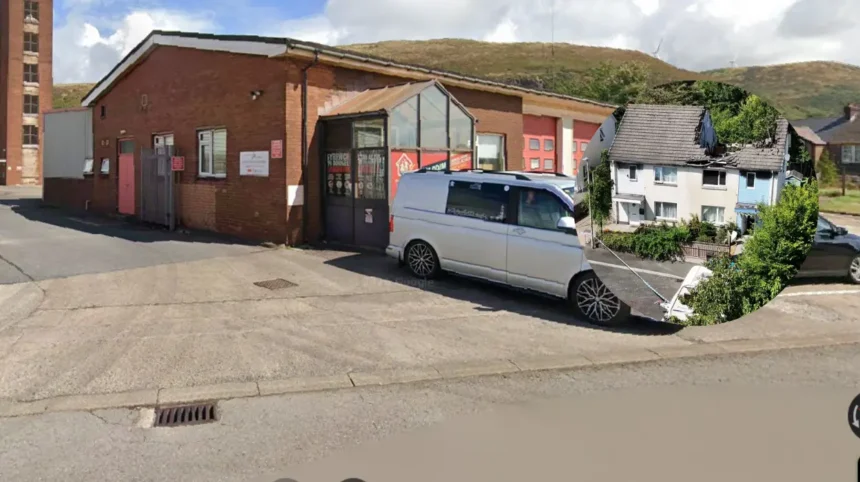
Images taken on Monday showed the street in Bryn y Broch cordoned off, with police officers and crime scene investigators present at the property. The roof appeared almost completely destroyed, with clear signs of significant fire damage to the upper parts of the house. The cordon allowed investigators to work without interference and ensured that local residents remained at a safe distance from the damaged structure.
Were there any casualties and how were residents affected?
A spokesperson for South Wales Police stated that there were no reported casualties as a result of the incident, and all occupants of the property had been safely evacuated. This confirmation will have provided reassurance to the local community, given the scale of the fire and the visible damage to the building. The safe evacuation of residents indicates that either the occupants themselves or emergency crews were able to act quickly as the fire developed.
While there were no injuries reported, the fire has had a clear impact on the residents whose home was damaged. Evacuated occupants are likely to have been displaced from the property while investigations continue and until the building is assessed and made safe. Neighbours and other residents in Bryn y Broch were also affected by the cordon and the presence of emergency vehicles, particularly during the early morning when access and movement may have been limited.
Why is a crime scene investigation unit involved and what are police doing now?
South Wales Police confirmed that a crime scene investigation unit remained at the scene on Monday afternoon. The presence of such a unit indicates that the cause of the fire is being formally investigated, which is standard practice for significant house fires, regardless of whether there is any immediate suggestion of criminal activity. Investigators will examine the property, gather evidence and seek to establish how and where the fire started.
The involvement of crime scene specialists allows the police and fire service to rule out or confirm possible causes, including accidental factors such as electrical faults or deliberate actions. Officers will also speak to residents, neighbours and other witnesses to build a clearer picture of events leading up to the incident. Until the investigation is complete, no definitive conclusion about the cause of the fire will be made public, and authorities are likely to maintain a cautious stance in their public statements.
How has the local community in Cimla and Neath responded to the incident?
In residential areas such as Cimla, early-morning incidents involving multiple emergency service vehicles inevitably attract attention from local residents. People living near Bryn y Broch would have seen the arrival of fire engines, police cars, specialist equipment and the establishment of cordons around the property. For neighbours, the confirmation that all occupants were safely evacuated and that there were no casualties would have been an important piece of information.
The visible damage to the roof and upper sections of the property serves as a reminder of the potential severity of house fires, even when everyone escapes without injury. While formal statements so far have focused on factual details, it is likely that residents in the surrounding streets will be offering support to those directly affected, whether through practical help or by staying in contact as investigations progress. Local awareness of fire safety measures may also be heightened as a result of the incident, particularly in relation to early detection and evacuation.
What will investigators and authorities focus on in the coming days?
Over the coming days, investigators from South Wales Police and Mid and West Wales Fire and Rescue Service are expected to continue examining the property and reviewing evidence gathered from the scene. Their work will focus on identifying the origin and cause of the fire on the first floor and understanding how it spread to the roof. Structural assessments may be needed to determine whether parts of the building can be repaired or whether more extensive work will be required.
Authorities are also likely to consider whether any wider safety messages can be issued to the public based on the circumstances of this incident. This could include guidance on electrical safety, heating equipment, or other common household risks, depending on what the investigation reveals. Any formal conclusions, once reached, would typically be shared in a neutral, factual manner, and may inform future prevention campaigns or local advice.
Background to the South Wales house fire investigation
The development in Bryn y Broch, Cimla, fits into a broader pattern of significant house fires that attract joint responses from police and fire services in South Wales. When a blaze causes extensive damage to a property, particularly to the roof or structural elements, it is common for crime scene investigators to attend, not solely because of suspected wrongdoing but to ensure a thorough, evidence-based understanding of what happened. This approach allows authorities to build up detailed records of incidents and to identify any recurring themes or risk factors.
In the case of this Neath property, the fire’s reported origin on the first floor and the severe damage to the roof make a full investigation essential. Establishing whether the incident was accidental, related to household systems, or influenced by other factors will be part of the routine process. For local residents, this background is important because it shows that the presence of a crime scene investigation unit does not automatically mean a crime has been committed; instead, it reflects standard practice for serious fires.
Prediction: How could this development affect local residents and authorities?
This development is likely to affect the particular audience of local residents in Cimla and wider Neath by increasing awareness of fire risks in domestic properties and the importance of early evacuation. Seeing a nearby house with its roof almost completely destroyed will remind many people that even familiar homes can be vulnerable to sudden, serious incidents. Residents may be more inclined to check smoke alarms, review escape routes and pay closer attention to potential hazards on upper floors and loft spaces.
For authorities, including South Wales Police and Mid and West Wales Fire and Rescue Service, the incident may feed into ongoing efforts to refine response times, resource deployment and public safety messaging. If the investigation identifies specific causes or contributing factors, these can inform future guidance to households and local campaigns aimed at reducing the likelihood of similar fires. Overall, while this particular incident resulted in no casualties, its visible impact on the property and the continued presence of investigators may shape both community attitudes to safety and official approaches to prevention in the months ahead.